




 Riders Preferred Membership
 Shop by Vehicle
 Track Order
 Contact Us
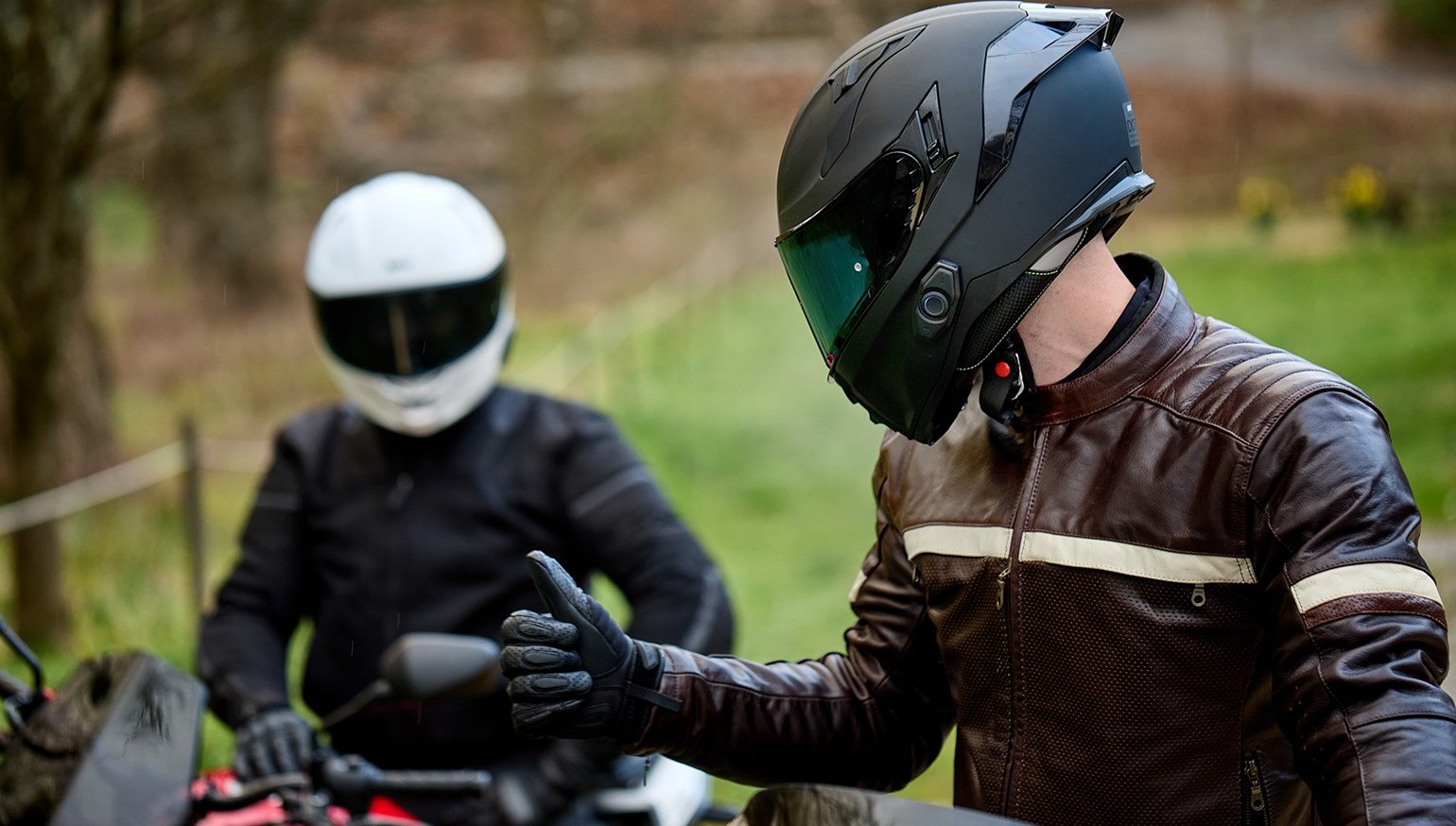
"This is all your fault!" laughingly exclaimed my friend and colleague Tim as he opened up the throttle on his new-to-him KTM 790 Duke and pulled ahead in an open stretch of Catskills region farmland. What he was "blaming" me for was his extreme enthusiasm for motorcycling.
At a moment when we hear about declining motorcycle sales and a lack of interest in motorcycling among younger generations, I was reflecting on an idea raised by Spurgeon Dunbar in a recent Highside/Lowside podcast. That is, what if each of us brought one person into motorcycling? It's a fantastic idea, but both easier and more challenging than it might seem.
New riders: Three brief case studies
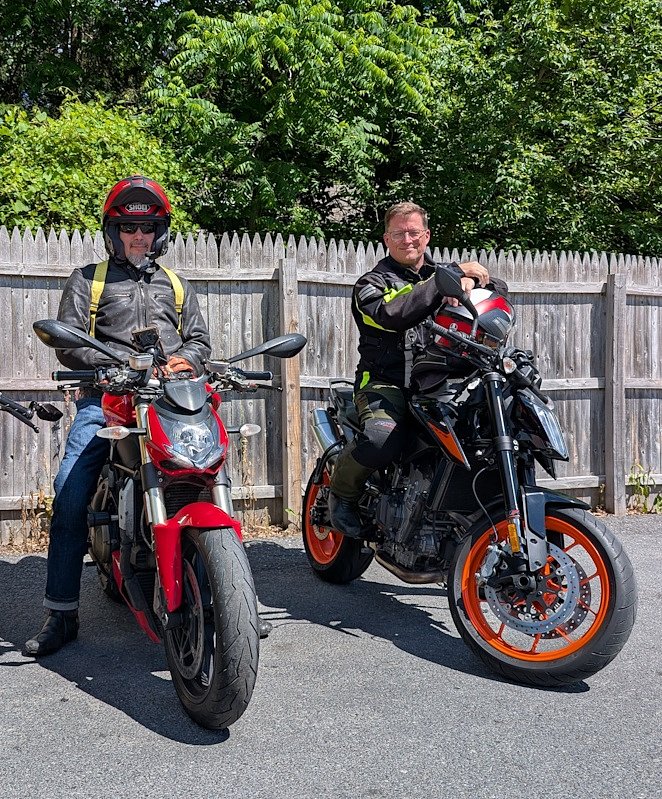
Like me, Tim came to riding motorcycles in mid-life, although he rode scooters while living and working in Japan. One day, as I was pulling out of my parking space in front of our office building, Tim hopped on the back of my old Honda CL200 and remarked, "This is so cool." There was no way my suspension would allow us to ride two-up, and I didn't have an extra helmet on hand, so I invited Tim to come along on a later ride as a passenger with my husband on his Suzuki V-Strom 1000. After that ride, Tim's smile stretched across his face and his eyes lit up; he was hooked. Years later, Tim suffers from what I call multiple motorcycle disease and a constant longing to be out on a ride.
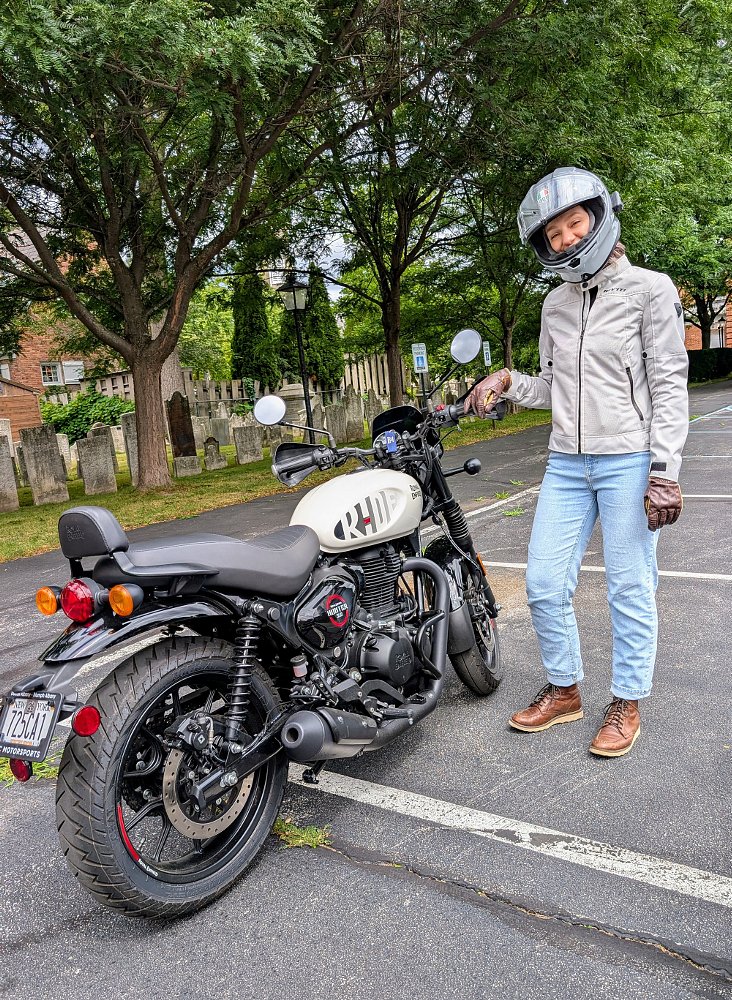
My friend Christina, in her early 30s, had already completed the introductory Motorcycle Safety Foundation course and earned her license when we first met inside a local coffee shop. She recognized me from social media and told me about her journey from riding with her partner to wanting to ride on her own. Stopping at motorcycle-themed coffee shops and Moto Social events had been influential in pulling her into the moto community. She felt like she fit in with the variety of people she saw in them. She later said that as I walked away I told her, "We need to get you on your own bike." Soon afterward, she bought a gently used Royal Enfield Hunter 350. She's still learning, practicing, and enjoying her rides on both the back and front seats of motorcycles.
A 20-year-old student in my history of transportation course approached me after class one afternoon to ask if I thought a Kawasaki Ninja 300 would be a good motorcycle for a beginner. I was a little surprised. She explained that her grandparents used to ride, but her parents were not pleased when she told them she had signed up for rider training in Connecticut. Now that she was an adult and had greater economic independence, she wanted a motorcycle. Mary McGee's story stuck with her after watching "Motorcycle Mary" in class. Knowing that her professor also rode motorcycles, she said, made her think it was something "normal" people do, too. Now she just needed to convince her parents.
These are just three stories of people I've encountered on their journey from moto-curious to becoming motorcyclists. It's not my intention to boast, but rather to point out that those of us who ride also serve as ambassadors of motorcycling, whether we intend to or not. What strikes me is what didn't inspire these new riders. Advertising campaigns persuaded none of them. They weren't dreaming of becoming the next adventure-riding influencer or getting a knee down on a track day. Instead, they encountered motorcyclists who looked like ordinary people living ordinary lives. In each case, motorcycling became imaginable because it appeared normal. Motorcyclists had been demystified.
The moment someone says "I could do that, too"
The moto curious take in information from a variety of sources, such as social media, traditional media, and the people around them. The Motorcycle Industry Council reports that about 40% to 50% of riders come from motorcycle families, where at least one close family member owns a bike. Seeing someone have a good experience of motorcycle riding is strong encouragement, but it's not always enough. My friend Tim's son took the MSF course, but he didn't do well and has walked away from motorcycles for now.
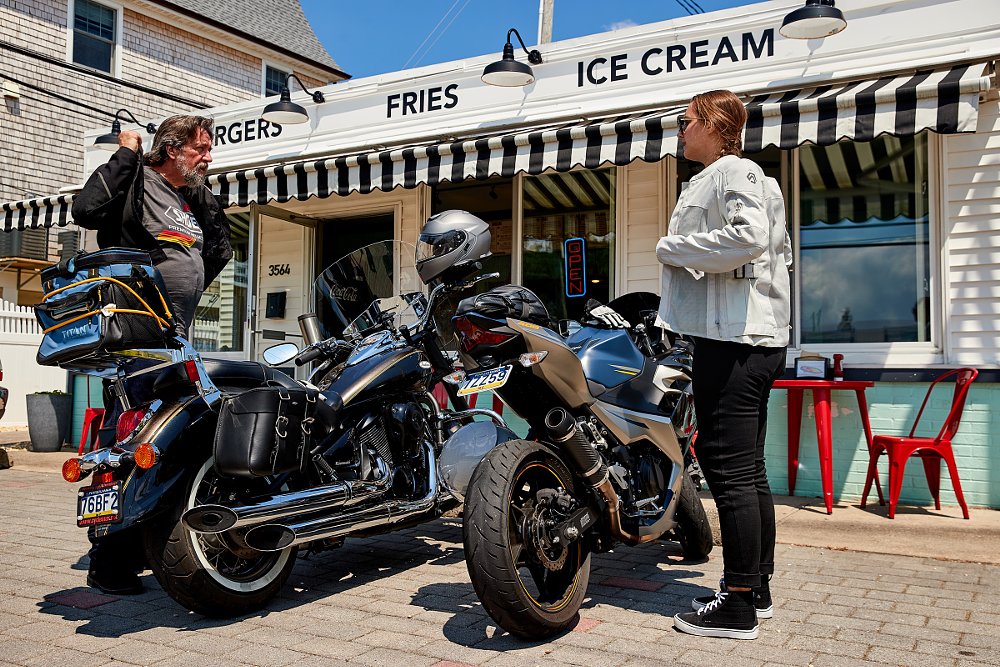
In non-motorcycling families like mine, potential riders tend to have fewer direct or good influences. My parents were of the "motorcycles are dangerous" mindset, and the constant barrage of news media reporting on motorcycle crashes was not helpful for me in making a case otherwise. For younger generations who may already feel disconnected from car culture, motorcycles can seem even further out of reach, not only as recreation but as transportation. After screening Common Tread XP's "Twenty Dollar Challenge," one of my students said he would consider commuting on a motorcycle in a warmer climate for efficiency and the environment, and another said she was "surprised that Zack and Ari were so polite and seemed really nice." Utility and image came up often in our discussions of motorcycles.
Motorcyclists don’t usually fare that well in popular culture. Americans have long romanticized and feared the outlaw biker figure in films ranging from "The Wild One" (1953) to "The Bikeriders" (2024). Superheroes from Batman to Wolverine have made motorcycles look cool, but also out of reach for ordinary people. Social media often amplifies that sense of "super." Stunning scenery from a round-the-world trip or perfectly executed wheelies and stoppies can be aspirational. Still, they can create the impression that "real" motorcycling requires extraordinary skill, time, money, or courage.
One of the most important and often overlooked factors in attracting new riders is how approachable motorcycling appears to people on the verge of giving it a try. The motorcycle industry often focuses on selling excitement, freedom, performance, and adventure. Those things certainly matter, but before someone can dream about a cross-country trip or a track day, they have to believe that motorcycling is something a person like them can do. Seeing ordinary riders can be more powerful than seeing extraordinary ones.
The next time Tim tells me, "This is all your fault," as he disappears down another country road, I will happily accept the blame. Not because I convinced him to buy a motorcycle, but because at some point, riding became something he could imagine himself doing. Sometimes, bringing someone into motorcycling is not about making the perfect argument or finding them the perfect motorcycle. Sometimes it is simply about being the person who makes someone think, "People like me ride motorcycles."
Image Gallery