



 Riders Preferred Membership
 Shop by Vehicle
 Track Order
 Contact Us

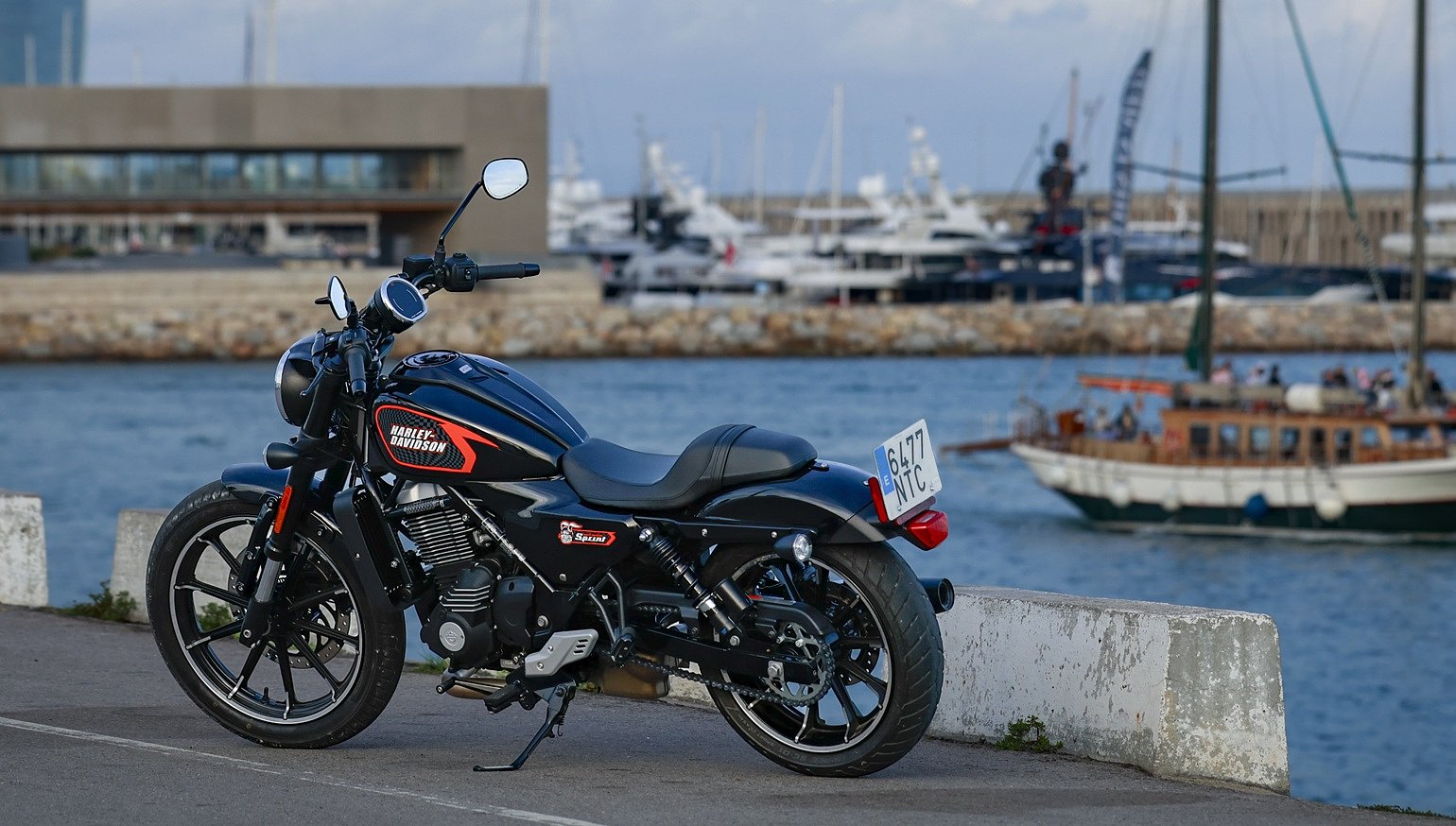
Some see it as the potential first step in saving the most iconic motorcycle manufacturer in U.S. history. Others are all warmed up and prepared to dismiss it, ridicule it, and even hate it. That's a lot of weight on a set of narrow, 440 cc single-cylinder shoulders. Now, we finally have some details on the long-promised Harley-Davidson Sprint 440.
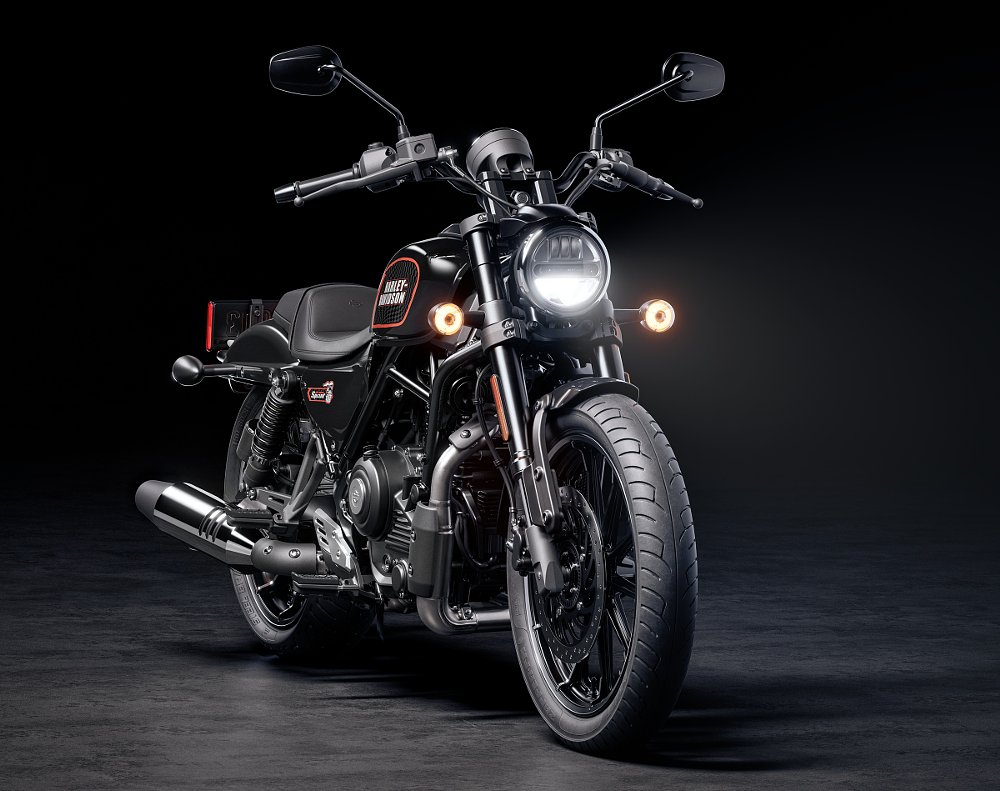
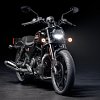
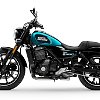
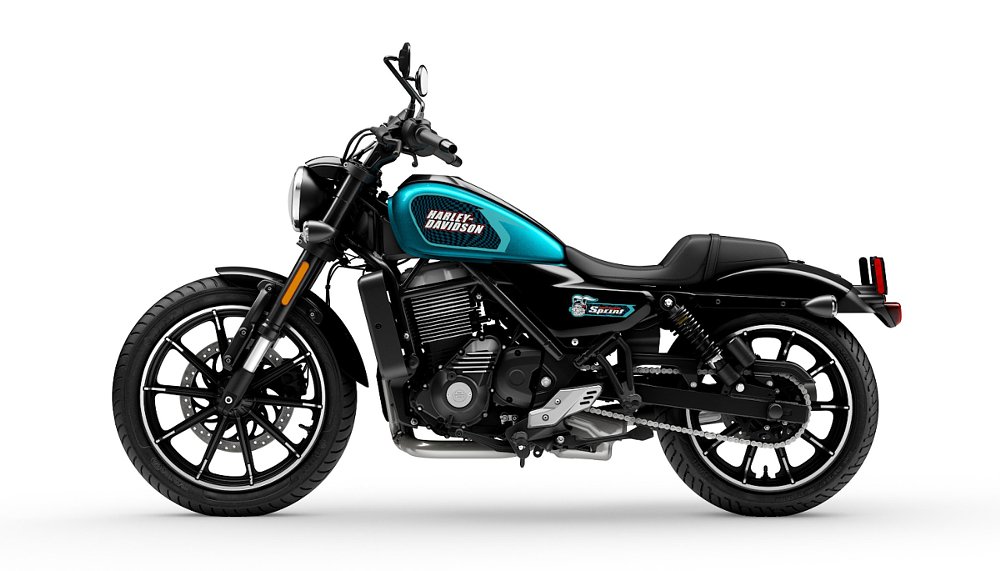
The summary is that the Sprint is basically what we expected based on hints in Harley-Davidson's recent Back to the Bricks strategic plan: It's the motorcycle built by Hero MotoCorp in India and sold as the Harley-Davidson X 440 in other markets, but in Sprint form it has been modified to be more cruiserish, with a lower seat, more front end rake, different wheel sizes, and a new look. Models sold in other markets will be built in India and will be available soon, but final assembly of Sprints sold in the United States will take place at Harley-Davidson's factory in York, Pennsylvania. That production line is not ready yet, so while the rest of the world will be able to buy a Sprint soon, U.S. buyers will have to wait until next spring.
After years of focusing on big and expensive models under the leadership of former CEO Jochen Zeitz, the main selling point Harley-Davidson is emphasizing with the Sprint is accessibility. "The new Harley-Davidson Sprint 440 model is our invitation to ride," said current CEO Artie Starrs. "It's an ideal motorcycle for a variety of riders — the new rider who wants to build skills and confidence, but also a great option for returning riders who want to get back on the road or as an uncomplicated and fun ride for experienced riders."
In other words, the Sprint is not just another motorcycle model. It's a component of corporate strategy for the dominant U.S. motorcycle manufacturer. That explains why it has drawn so much attention.
How to make an X 440 into a Sprint 440
More than a year ago, then-CEO Zeitz said the Sprint would be up for sale in 2026 for a price under $6,000. That mostly came true.
The Sprint will be for sale in most of the world before the end of 2026. In the United States, the price will be $5,999, as promised. The MSRP in Canada is $8,499 (and that includes freight and prep fees that aren't included in most other manufacturers' listed MSRPs).
Now, more than a year later, we have more to chew on than just a price and a due date. So what's the difference between the X 440 that Hero and Harley-Davidson have been building for years and the Sprint 440?
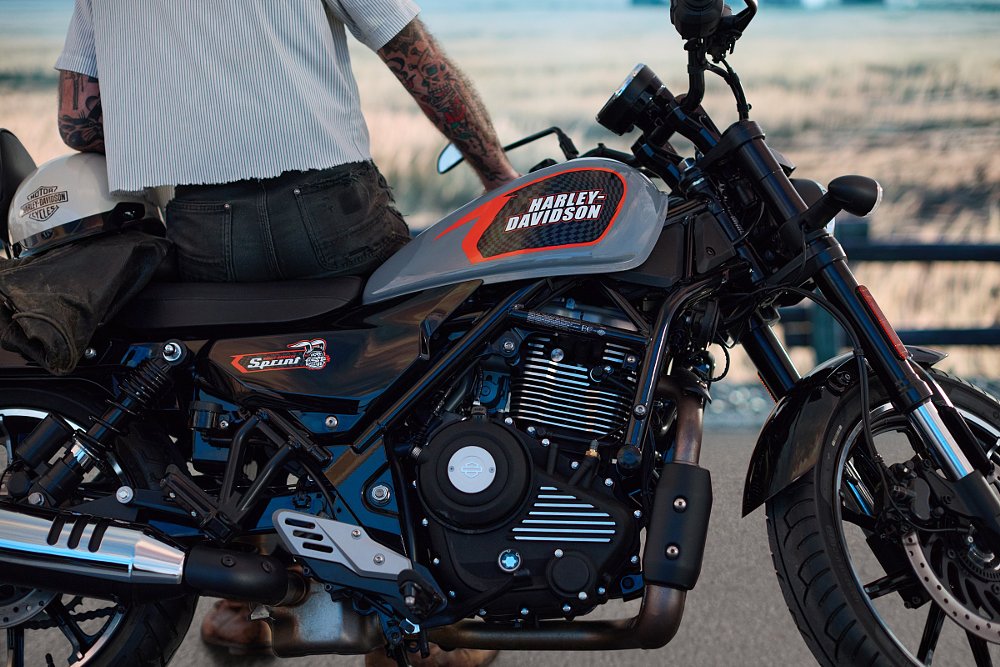
We'll have riding impressions of the new Sprint soon, but for now, just based on the spec sheets, it appears the 440 cc single-cylinder engine in the X 440 is unchanged in the Sprint. Harley-Davidson cites 27 horsepower and 28 foot-pounds of torque for both models. Both appear to have the same brake hardware and both have a 43 mm inverted fork in the front and dual shocks in the rear. The differences lie in the way Harley-Davidson made the Sprint a bit more of a cruiser.
Compared to the X 440, the Sprint's seat is a significant 4.8 inches lower. The rake is 27.6 degrees compared to 25.5 degrees on the X 440. The Sprint's wheelbase is 1.3 inches longer. Bucking the cruiser trend, the Sprint's claimed wet weight is 16 pounds less than that of the X 440 as sold in India, but that may be mostly due to equipment that's required in India but not elsewhere. The Sprint gets a 19-inch front tire instead of the X 440's 18-inch tire.
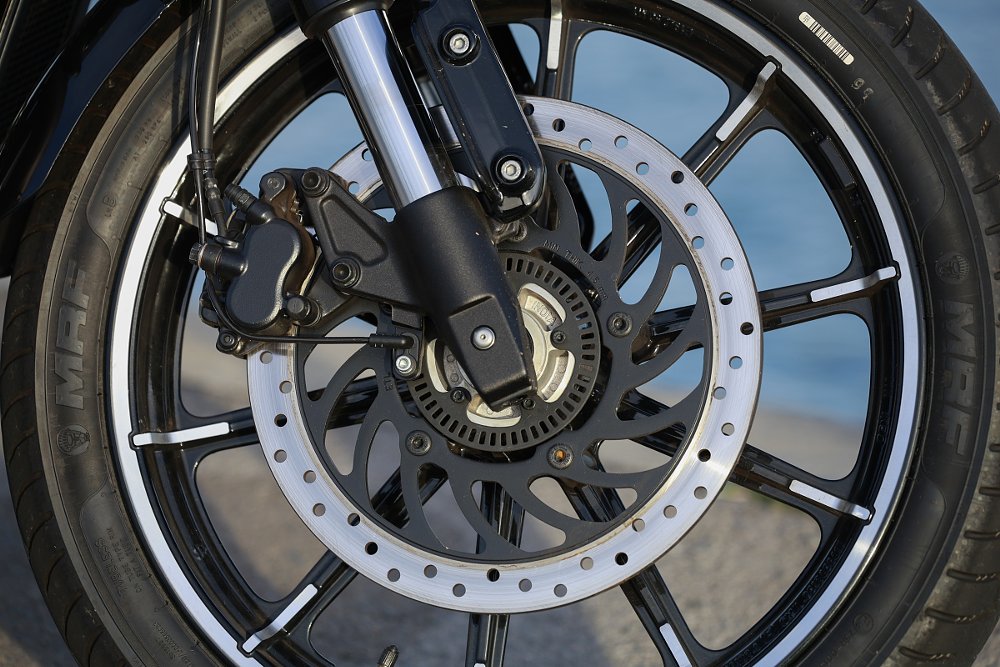
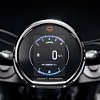
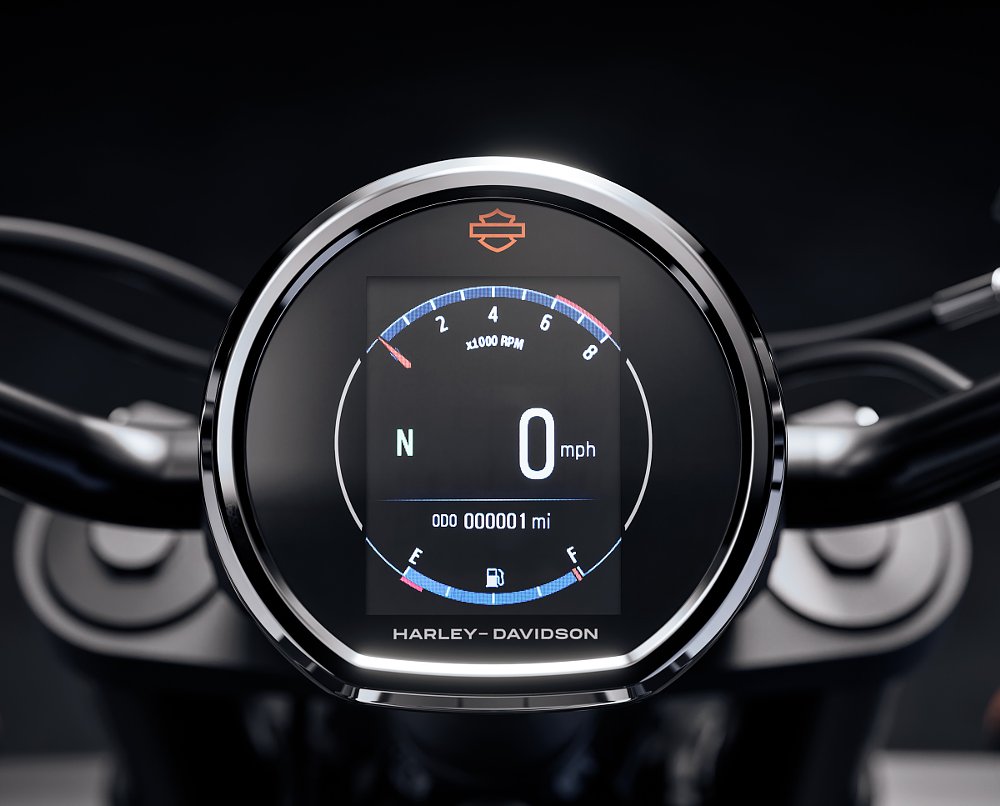
Lighting on the Sprint is LED all around and the display has a traditional round shape but inside is a full-color digital readout.
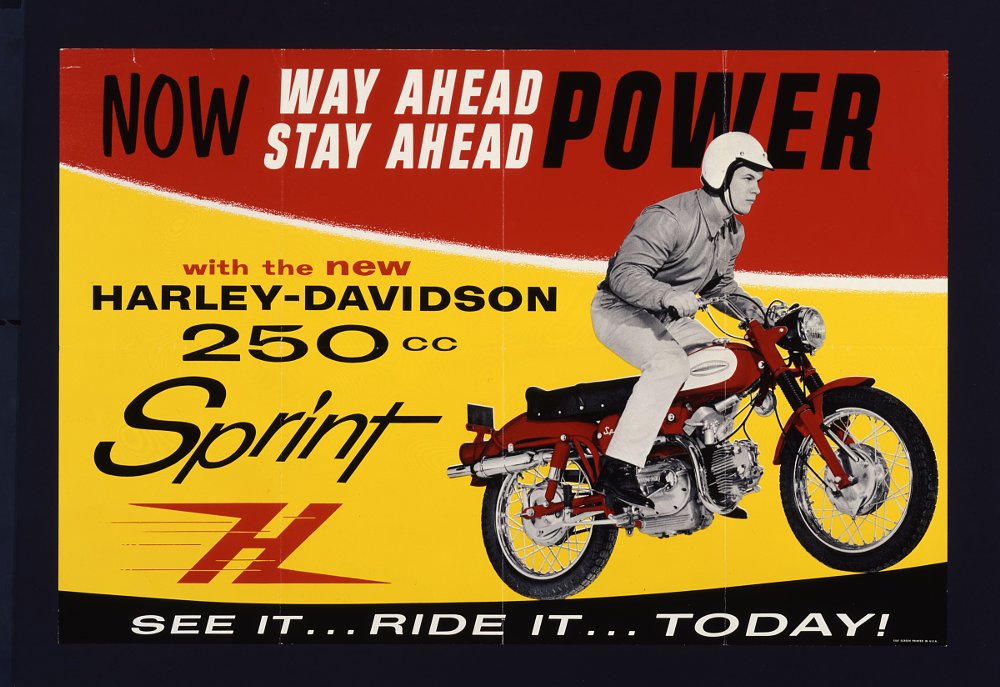
Will the Sprint fly?
For more than two decades, I've been listening to people predict that Harley-Davidson is doomed because its customers are aging out of motorcycling. What has happened, instead, is that new Harley-Davidson customers have aged into the brand. Not in the numbers we saw in the boom years before the Great Recession, but enough to keep the company chugging along, not growing but still profitable. As riders got a little older, became a bit more inclined to consider a cruiser, and had more disposable income, they bought their first new Harley-Davidsons.
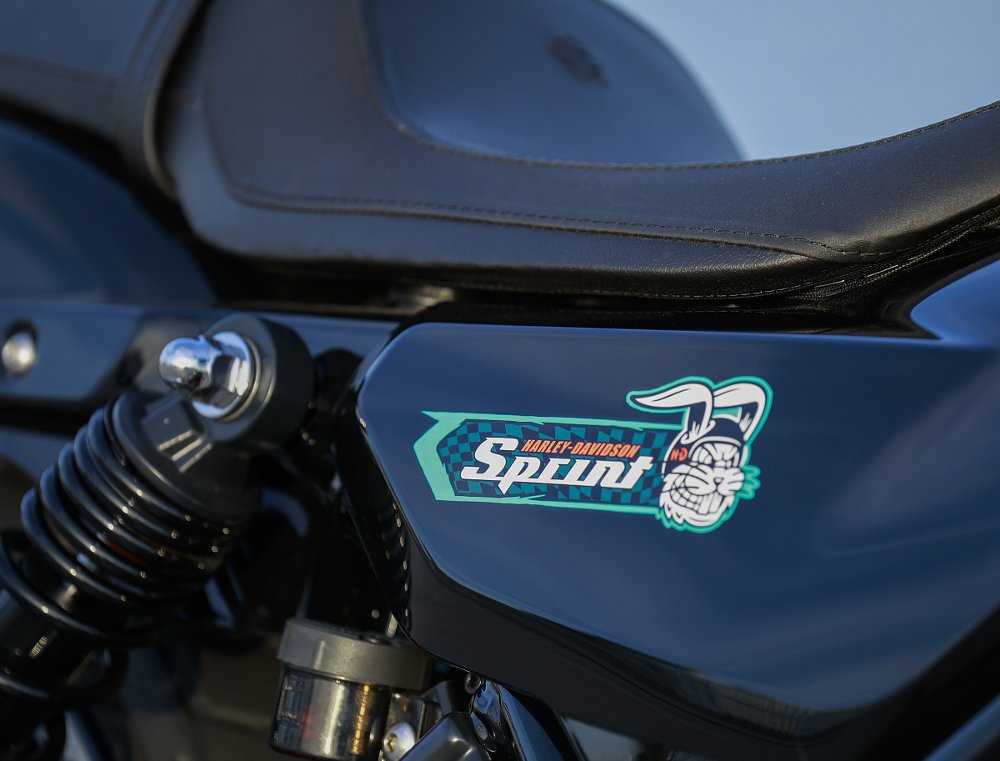
Now the question is whether the Sprint will fulfill its mission and give a new set of riders an earlier entry into the brand without having to wait for a pay raise at work and for the kids to get a job and move out of the house to free up some cash flow. The Sprint will be going up against the usual competition, including imported cruisers like the Honda Rebel 500, which has a more powerful engine but also is likely to cost more than the Sprint when the full, out-the-door price is considered in the U.S. market. But while some buyers will want the Sprint's cruiser looks, there's no guarantee that will appeal broadly. Many young riders want a stylish motorcycle but not necessarily a traditional cruiser and that puts the Sprint up against competition such as the popular Triumph line of 400 cc singles. The Sprint won't beat the Triumphs on performance but is competitive in price.
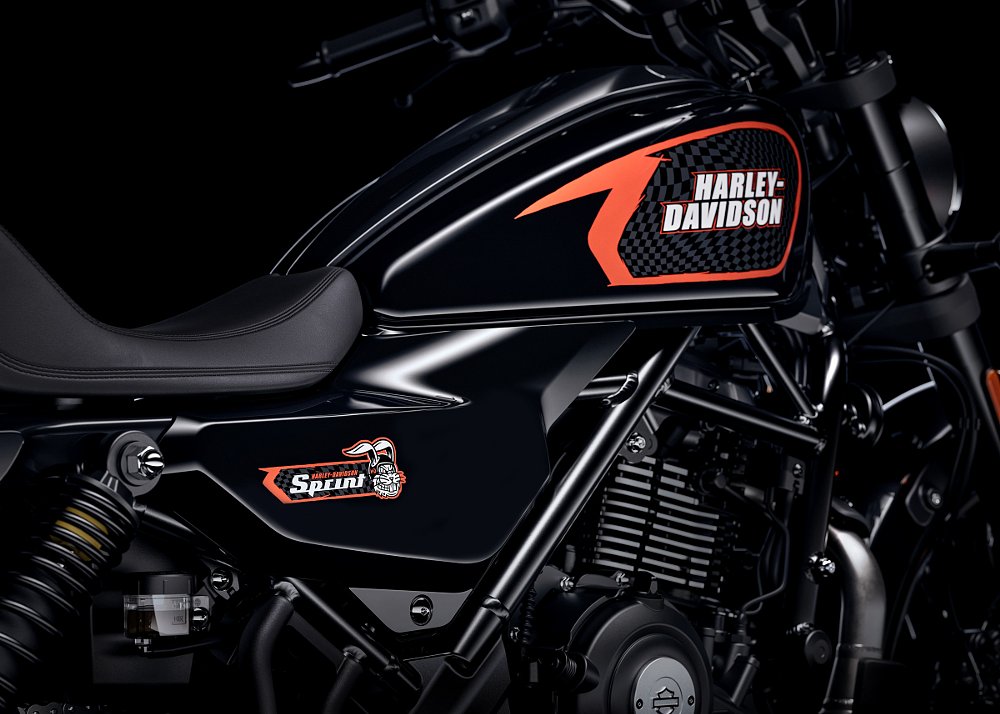
With affordability issues top of mind in the United States and even around the world, H-D's Starrs has admitted that the real action right now in the motorcycle industry is in the smaller, less expensive models. As mentioned above, we'll soon have our first riding impressions of the Sprint and that will give us a better idea of how it compares to the competition and whether it can fulfill its role of bringing new riders to Harley-Davidson.
|
2027 Harley-Davidson Sprint 440 Canada model specs |
|
|---|---|
| Price (MSRP) |
$8,499 Canada $5,999 U.S. |
| Engine | 440 cc, air-and-oil-cooled, two-valve single |
|
Transmission, final drive |
Six-speed, chain |
| Claimed horsepower | 27 @ 6,000 rpm |
| Claimed torque | 28 foot-pounds @ 4,000 rpm |
| Frame | Tubular steel |
| Front suspension | 43 mm inverted fork; 5.1 inches of travel |
| Rear suspension | Dual shocks adjustable for preload; 3.0 inches of travel |
| Front brake | Single two-piston caliper, 320 mm disc with ABS |
| Rear brake | Single-piston caliper, 240 mm disc with ABS |
| Rake, trail | 27.6 degrees, 4.26 inches |
| Wheelbase | 57.1 inches |
| Seat height | 26.9 inches |
| Fuel capacity | 2.4 gallons |
| Tires | 100/90-19 front, 150/60ZR17 rear |
| Claimed weight | 412 pounds |
| Available | Spring 2027 in the United States, earlier elsewhere |