




 Riders Preferred Membership
 Shop by Vehicle
 Track Order
 Contact Us
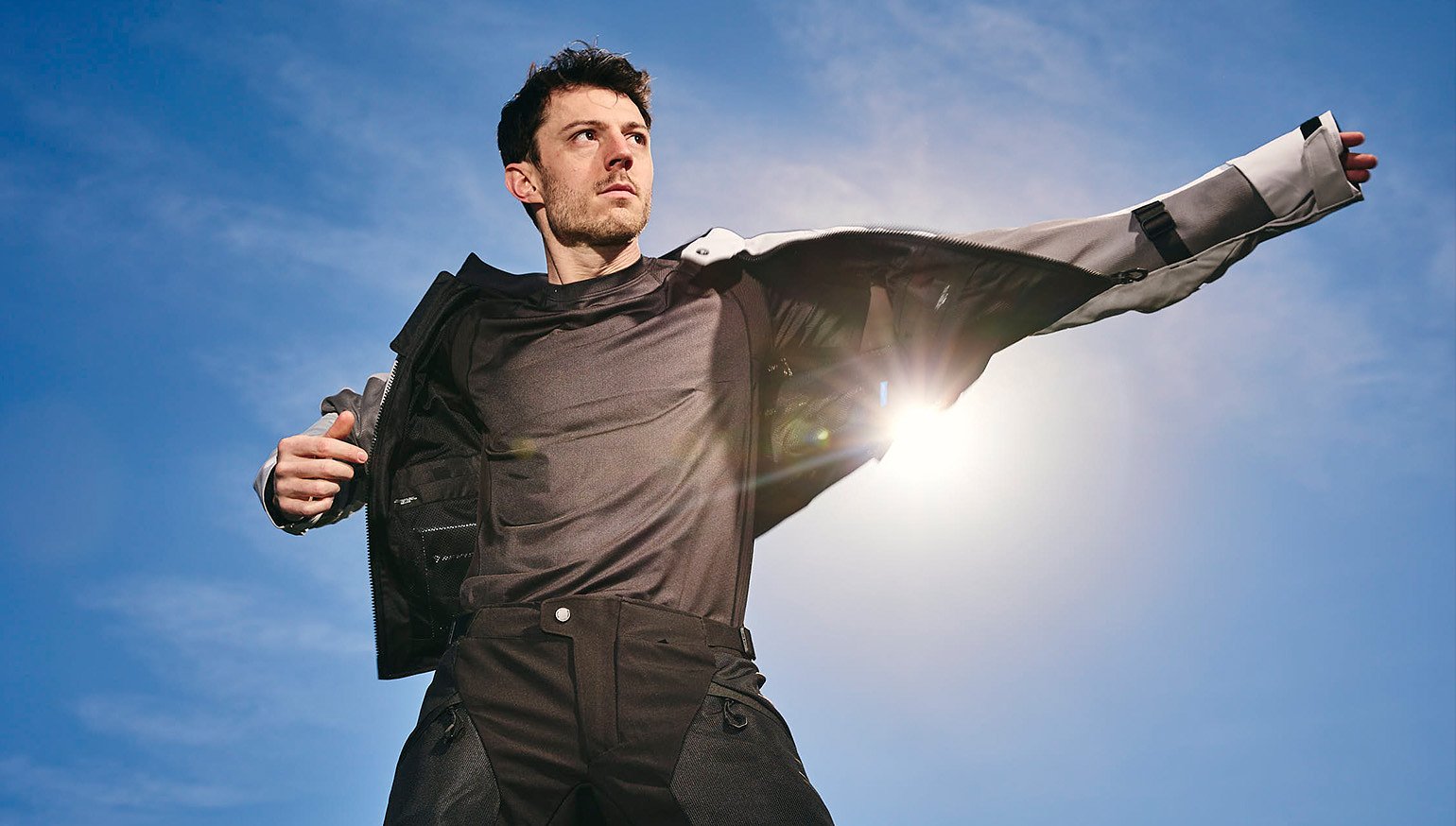
Memorial Day is over. It’s all but official. Summer is here.
School is letting out, there’s meat on the grill, and everyone is one shade tanner. But more importantly, the days are longer and the weather is clear. Meaning, there’s hardly a better time to ride your motorcycle.
But as June becomes July, and July becomes August, daytime highs only stand to climb. Preparing for those rising temps means wearing the right gear, and there are several features one should consider when searching for a suitable summer riding jacket.
A breath of fresh air
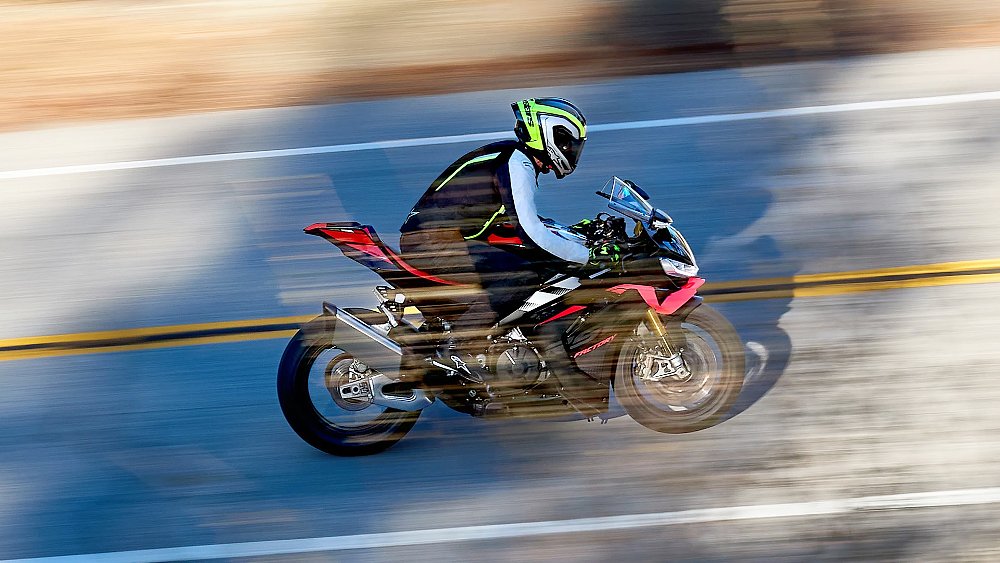
The major distinction between warm-weather jackets and all other jackets comes down to one element: ventilation. No two summer jackets offer the same amount of airflow, but they all must offer more airflow than a standard jacket. Gear makers go about achieving that goal in different ways. Some jackets favor lightweight, aerating materials. Others opt for strategic paneling or perforations. No matter the method, the primary objective remains the same: moving more air over the rider.
From there, the customer's decision becomes much more subjective, influenced greatly by the rider’s personal tastes, preferences, and circumstances. Someone with a weekday commute rarely shops the same options as a canyon-carving weekend warrior. A cruiser rider is probably steering clear of sporty cuts and neon colors. Shopping for any jacket, be it warm-weather or otherwise, often depends on the type of riding you’re doing. So here’s what to look for in a summer jacket.
The mesh network
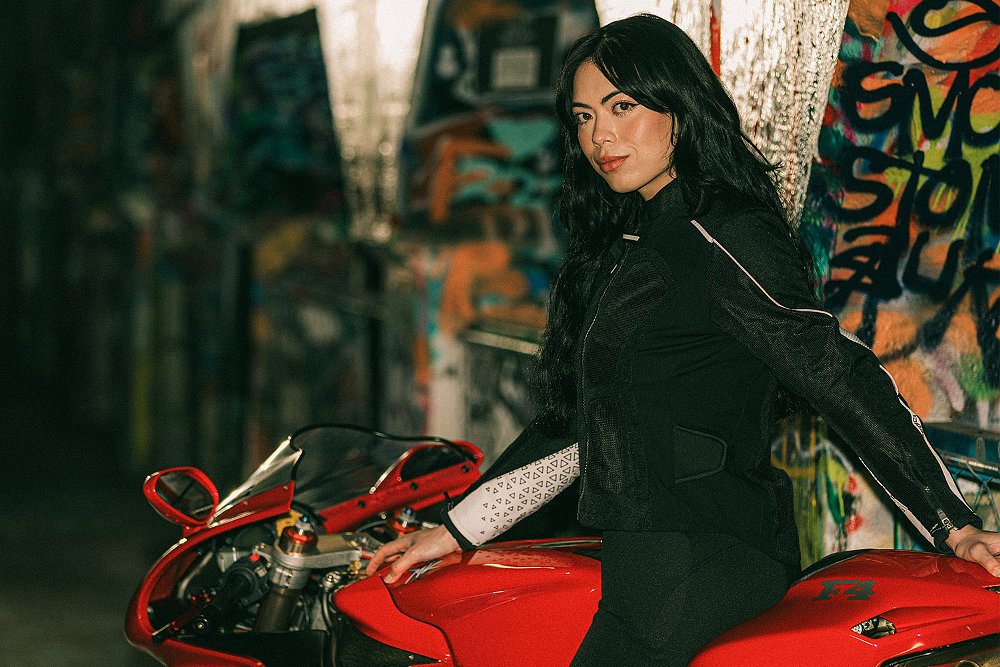
When riders think about mesh jackets, something like the Alpinestars AST V3, Dainese Super Sprint, or SEDICI Stretto (women's) probably comes to mind. You know the look: a fabric-based shell, high-flow mesh panels, and accents in hi-viz yellow or fluorescent red. If maximum airflow is your K.P.I. (key performance indicator), mesh jackets are often your best bet. No removable liners. No leather construction. Just ventilating textile. That has its benefits as well as its drawbacks.
When it comes to protection, materials matter. Yes, today’s advanced textiles provide ample abrasion resistance, but very few match the protective properties of leather. For many riders, the aerating perks provided by fabrics are worth that tradeoff in security, but it’s a tradeoff, nonetheless.
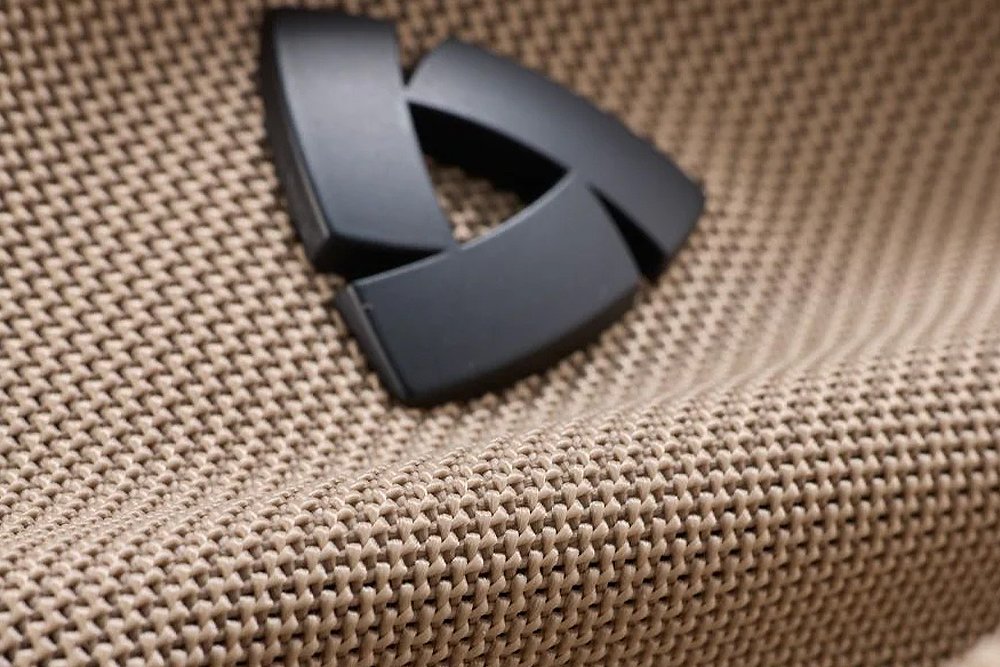
Today, more than ever, mesh jackets are also available for every individual style. Whether you own a sport bike or a sport-tourer, a naked bike or a scooter, “air” jackets meet the needs and preferences of a wide range of riders. Some riders don't mind if everyone knows they rode there, while others want to blend in after they park the bike. For the latter, products such as the REV'IT! Tracer 3 Overshirt and REAX Moto Hoody look like everyday clothing but bring the latest textile technology, construction, and armor for protection. For women, the choices range from the traditional motorcycle jacket look of something like the Merlin Shenstone Air to the soft hoody look of the Alpinestars Stella Chrome Superairflow.
Stylistically versatile, yes, but applicably versatile, not so much. That’s because mesh jackets are only useful for one condition: high heat. If your ride requires a little more flexibility, it’s worth aiming your search in another direction.
The adventurous side
One way some riders add versatility to their mesh jackets is to carry a rain jacket that fits over top. Hit an unexpected shower? Just slip on the rain jacket. Have a daily commute where the morning ride to work might be 60 degrees and the afternoon ride home might be 85 degrees? Put on the rain jacket in the morning to shut off the air conditioning and pack it on the way home. It's a simple and effective solution that lets you handle a wide range of temperatures and weather, but some hot-weather motorcycle jackets come with that versatility already baked in. And you'll often find them among the gear styled for adventure-touring riders.
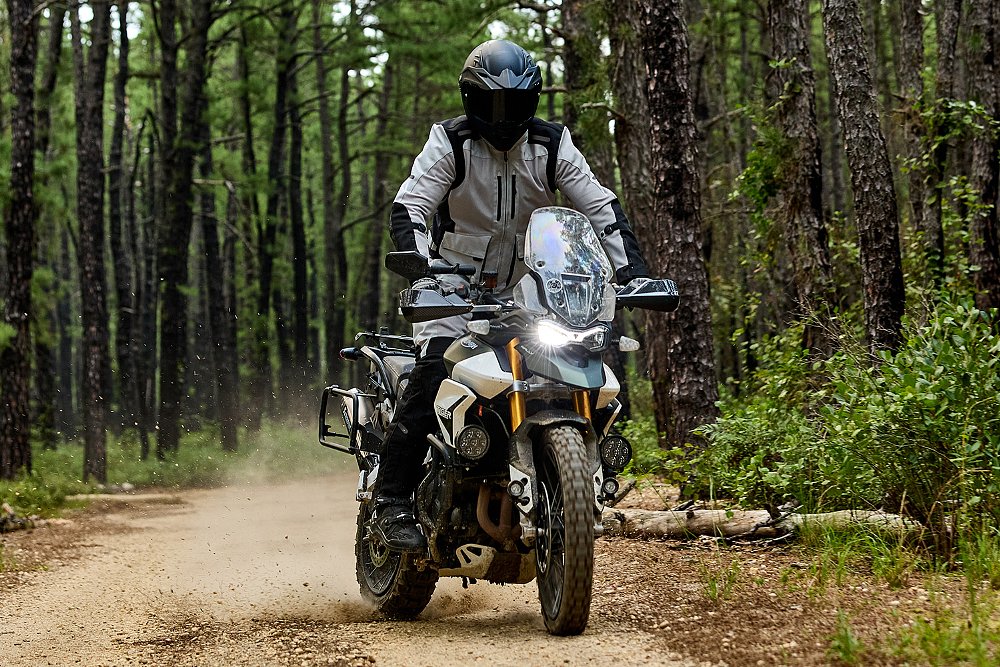
Adventure-touring and sport-touring riders have to prepare for the worst, be it blazing temperatures on the trail or an unexpected thunderstorm on the turnpike. So it’s no wonder jackets like the Leatt 7.5 FlowTour, Sedici Marco 2, and Alpinestars Stella Andes (women’s) come equipped not only with strategically placed mesh panels to keep the rider comfortable on warm days, but also a removable inner liner that acts both as a waterproof membrane and an insulating layer. That’s a key feature for road-tripping tourers or long-distance commuters, who may set out before the sun comes up or ride into the night. It’s that level of adjustability that sets multi-season adventure jackets apart, but some riders need a more specialized solution.
Casual cool
For some riders, there’s just no substitute for leather and they won’t ride without it. But what leather offers in protection, it lacks in ventilation. That’s where perforated leather comes in, offering an alternative for those unwilling to compromise on the safety side. The cruiser faithful and avid sport bikers both come to mind. Jackets like the First Manufacturing Turbine or RST Moto Roadster (women’s) serve the former. Options like the Dainese Racing 5 (both men’s and women’s) are styled to cater to the latter.
All three feature heavily perforated zones, which channel more air through the jacket, cooling the rider in the process. For a couple of reasons, however, a perforated leather jacket is likely to cool you less than a full mesh textile jacket. For one thing, leather jackets are typically heavier, and that can make them feel hotter. But mainly, the perforations in leather just don't provide as much open space for air to flow through as the full-mesh panels of textile jackets. When shopping for a hot-weather jacket, those cooling limitations are something to consider in balance against the protection of leather's abrasion resistance.
A (summer) breeze: Things to consider
As you narrow your search for the hot-weather motorcycle jacket that's right for you, here are a few other details to consider. While it's obvious that bigger mesh panels on the chest area are going to bathe you in more cooling airflow, don't overlook the value of mesh panels under the arms or on the inside of the arms. Especially if you ride a bike with a windscreen, you may find that your arms are out in the wind and scooping a surprising amount of air flow into your body. Similarly, don't forget that the air that comes in must also go out, if it's going to carry away your body heat, so mesh panels on the back are also important. Most ventilated jackets come with armor that also allows airflow, but it's worth checking, to make sure. And finally, while the sales numbers make it clear that motorcyclists still favor black, it's also worth considering that black gear soaks up more solar energy than any other color, offsetting some of the airflow you're paying for with a mesh jacket. Lighter colors can help keep you cool.
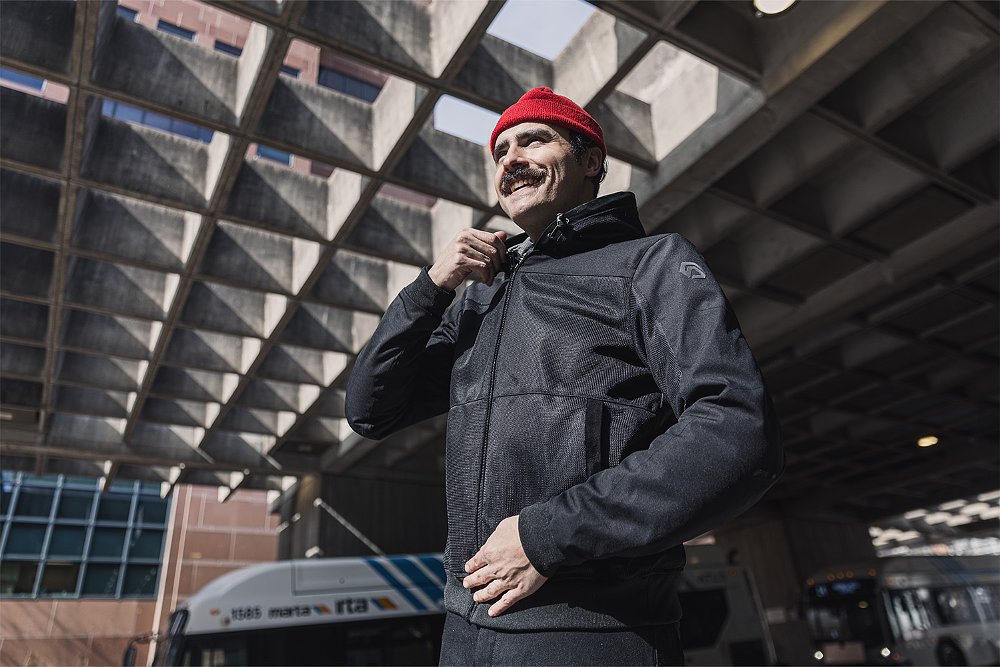
In the end, shopping for a summer riding jacket is like shopping for any jacket. It just comes with a few more considerations. Design, fit, and protection still apply, but materials and their ventilating potential are equally important. Whether you prefer the first-rate protection of a perforated leather jacket, the versatility of a multi-layer jacket, or the simplicity of an air jacket, there’s a wealth of warm-weather options out there. Hopefully, choosing between them is somewhat easier now.
Image Gallery



Image Gallery
Shop the gear
 Dainese Super Sprint Air Tex Jacket$299.00
 SEDICI Stretto Women's Jacket$159.97
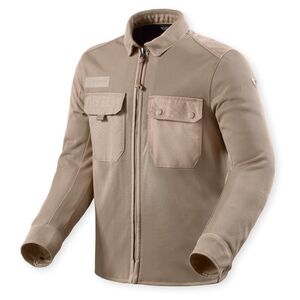 REV'IT! Tracer Air 3 Overshirt$259.99
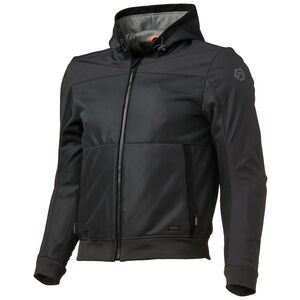 REAX Moto Air CE Hoody$199.99
 Merlin Shenstone Air D3O Women's Jacket$429.95
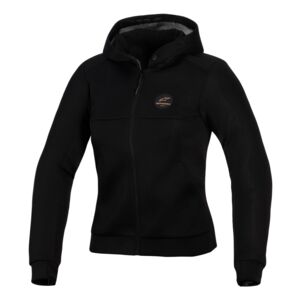 Alpinestars Stella Chrome Superairflow Hoody$264.95
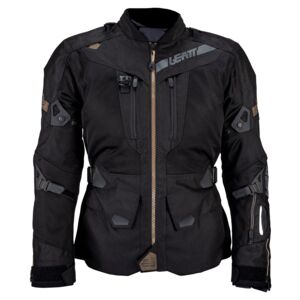 Leatt 7.5 FlowTour Jacket$549.00
 SEDICI Marco 2 Mesh Waterproof Jacket$179.99
 Alpinestars Stella Andes Air Drystar Jacket$329.95
 First Manufacturing Turbine Jacket$254.50
 RST Moto Roadster Air D3O Women's Jacket$303.99
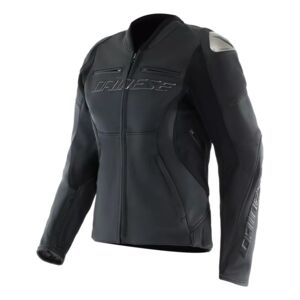 Dainese Racing 5 Perforated Leather Women's Jacket$649.00