





 Riders Preferred Membership
 Shop by Vehicle
 Track Order
 Contact Us
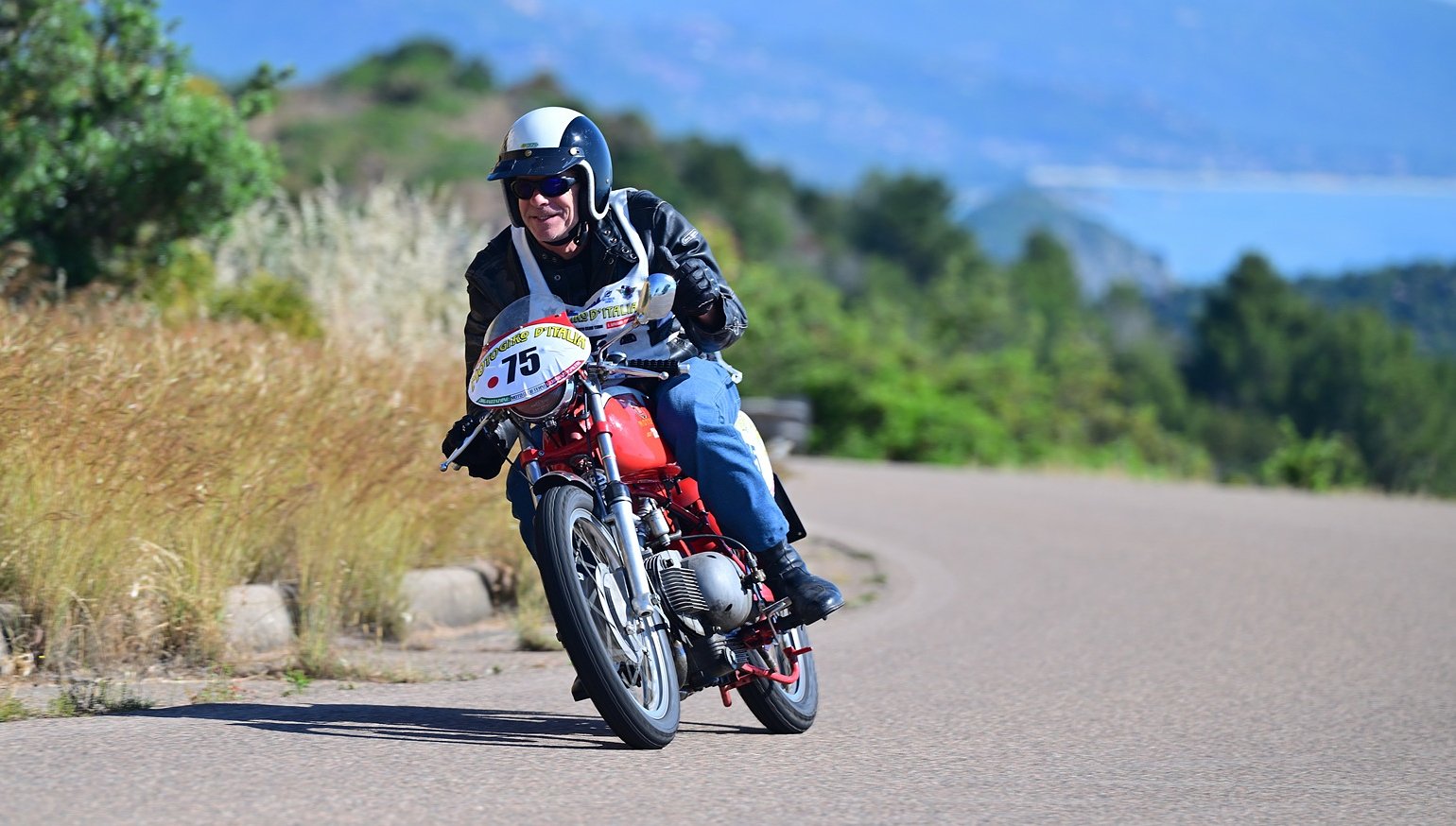
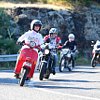
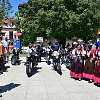
The old stone buildings lining the narrow avenues of the hilltop Sardinian village reverberate with the sound of motorcycles being ridden in anger. Local residents have come out to watch the horde of leather-clad, helmeted marauders pass, the thunder of exhaust and clack of valves awaking the sleepy town from its sun-drenched slumber. The road ahead is blocked by Carabiniere, the arriving gang directed into the piazza.
It's not as threatening as it sounds. The bikes, like the village, are of vintage ancestry, mostly small-displacement engines of aged steel, 60 and 70 years old. After all, how much trouble can you get into with 12 horsepower?
When the helmets come off it's not lawless hoodlums, but rather, pleasantly mature riders, most with graying hair, faces lined with the joyful smiles exclusive to riding a motorcycle. And the Carabiniere? They're not citing anyone, they're part of the event. That's right, this time we motorcyclists have law enforcement on our side, ensuring the historical event runs smoothly.
This is the MotoGiro d'Italia. The event, originally founded in 1914, was Italy's most famous and prestigious motorcycle road race, running on public roads for 43 years until it was halted in 1957 due to safety concerns. The event, indelibly inked in the country's history, was resurrected in 2001 as a road rally, granting current-day motorcyclists an opportunity to step back in time and partake of the magic of an era long past.
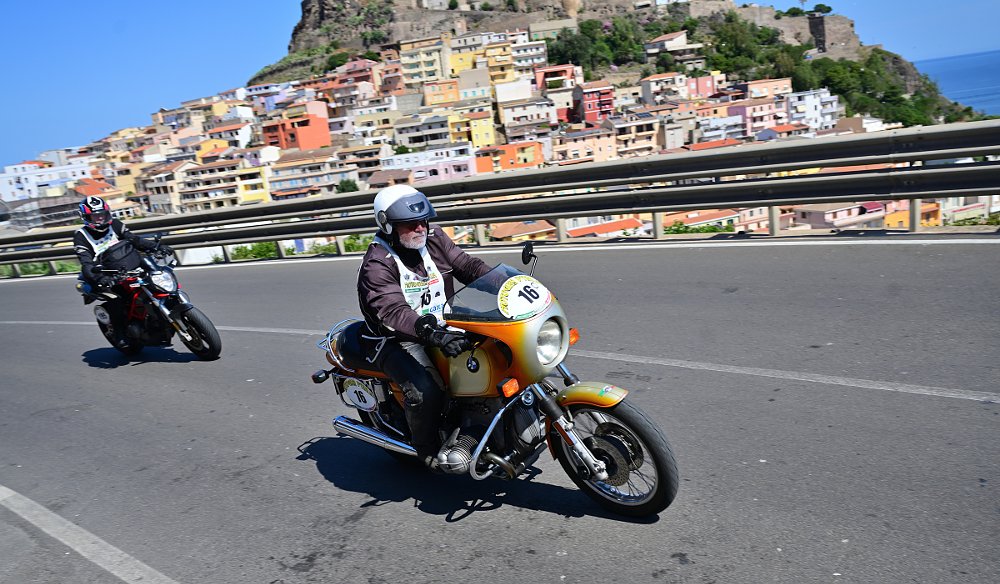
The MotoGiro: What it's all about
The MotoGiro attracts vintage motorcycle enthusiasts from all over the globe. This year 150 took part, the majority hailing from Italy, America, Britain, and Germany, with Poland, India, and various other countries represented, as well. All proudly flying their flags and riding their prized two-wheel possessions in a gathering of vintage motorcycles like no other. Participants may not share a language, but they share a passion, each with a story about why they ride what they do, because rest assured, behind each bike and rider is a sentimental story that speaks to the deep emotions motorcyclists have toward their nostalgic mounts. Amidst the older gents and ladies are a number of young riders. Here, there are no class or age or gender distinctions, just a brotherhood and sisterhood of shared love for vintage motorcycles.
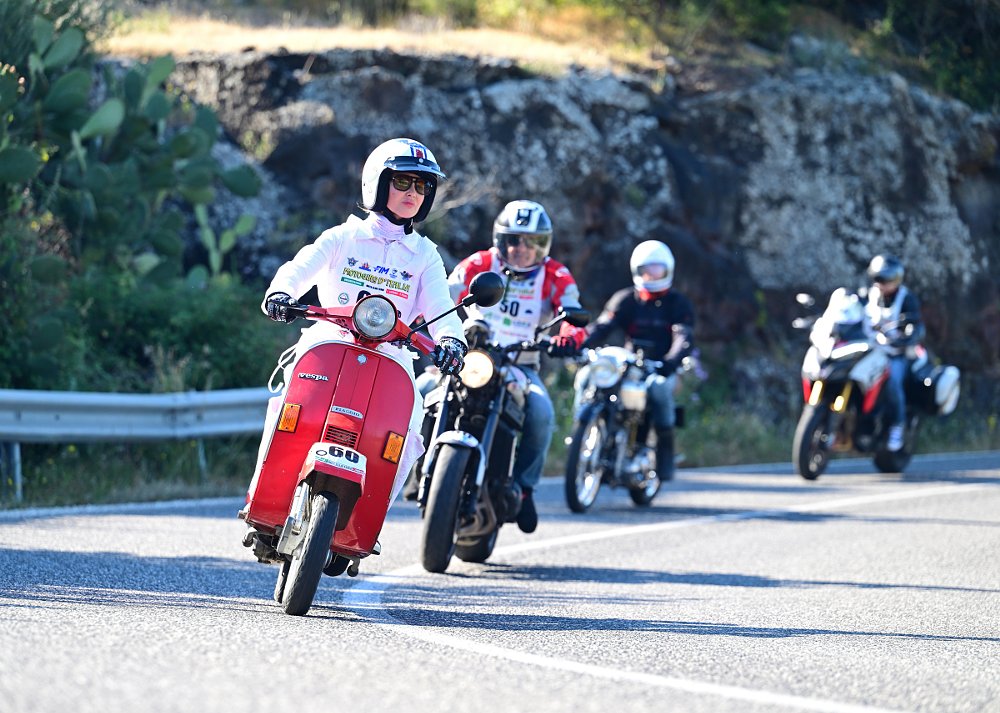
The Giro, as it is affectionately referred to, is no longer a race. It is a simple and sane road rally comprised of checkpoints to ensure completion of each of the event's six days of individual routes, with challenge trials (usually navigating cones and time-adjusted riding tests) to gain (or lose) points. Some take the competition seriously, most do not. The majority are here for the fun of it. Averaging about 260 kilometers (160 miles) per day, participants are rewarded with the Giro's signature traits: winding roads traipsing over undulating Italian countryside and coasts, stunning views, quaint villages, great food, and wonderfully eccentric people.
It would be easy to write a point-by-point description of the route, but there is so much more to the Giro. It's a given that every year the Giro's team will suss out a beautiful motorcycle-friendly week of fine riding and even finer scenery. It's Italy, after all. What sets the Giro apart is the family it creates. It's like being part of a traveling circus; a host of somewhat flamboyant, colorful characters, on equally colorful motorcycles, unapologetically indulging in a youthfully spirited week of celebrating old steel.
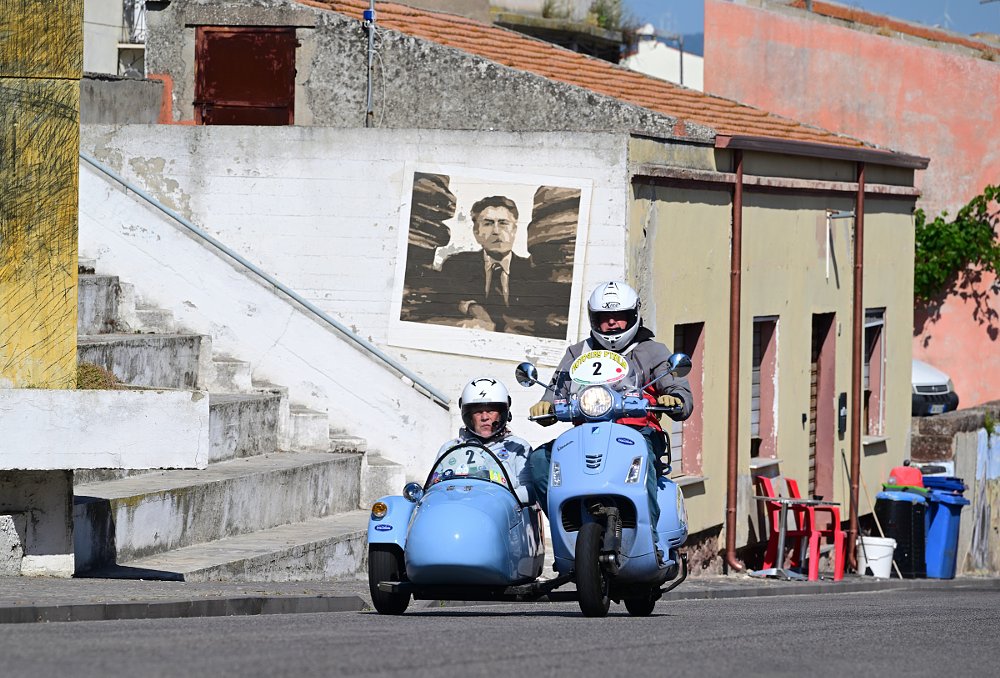
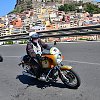
The 2026 version of the Giro took place on the Mediterranean island of Sardinia. The last time it was held here was 20 years ago. Sardinia, although beautiful enough to have become a tourist hub, is not of the tripping-over-one-another kind found at other major Mediterranean hot spots. The island is rimmed with sandy beaches, craggy cliffs, and rocky precipices, all touching the famously sparkling turquoise water of the Med, coupled with inland mountain ranges. And, as every motorcyclist knows, coastlines and mountains are traditionally laced with curving roads. Sardinia is true to form.
Sardinia takes the casual tempo of Tuscany and clicks it down another gear. It is pleasantly paced and rife with all the classic treasures of Italy (coffee, pasta, desserts, bread, and friendly people), all set in an island vibe. Unlike America, where this sort of thing — a motorcycle road rally — couldn't get past the permit phase, Italians welcome the event with open arms, the country's history brimming with a slew of iconic motorcycle brands — some still with us, others long shuttered into legend.
The MotoGiro: The view from the saddle
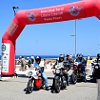
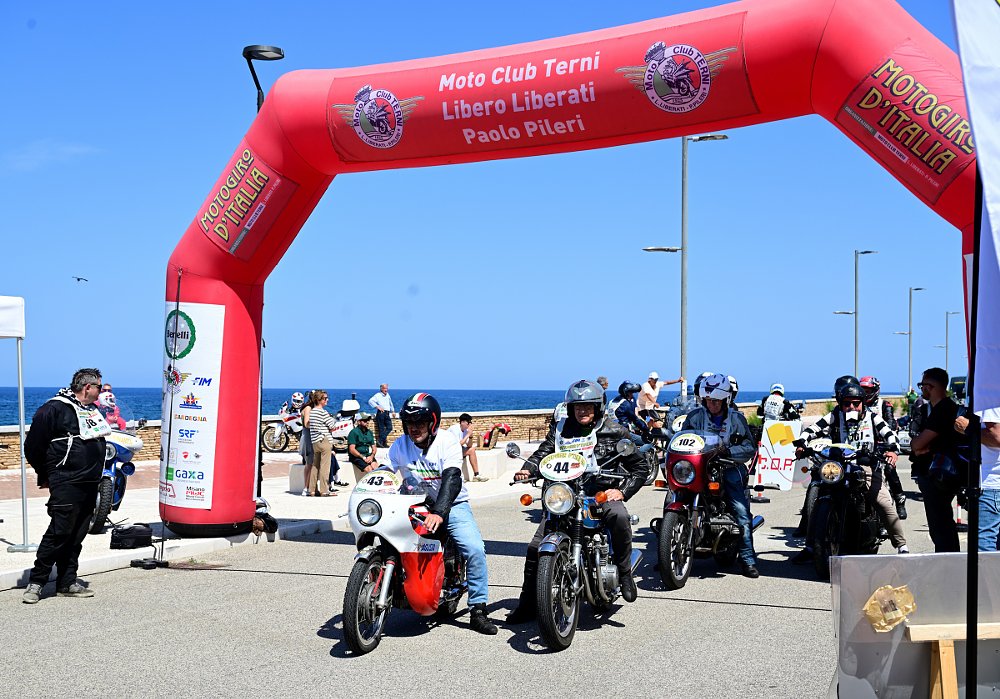
Each morning the ritual unfolds with a group breakfast, with residual chit-chat and boasting among riders about the events of the previous day (where we learn that nothing ruins a good story like an eyewitness). Then the participants suit up and ready for their start position by number. For one brief moment, each of the 150 riders owns a little piece of celebrity as they roll up to the start platform to be flagged off at timed intervals, leaving behind the staging area crowded with bikes and riders and staff. From there begins another day of solo riding, following the route, transitioning into a kind of individual and ardently private experience. Yes, you're sharing the road with a horde of fellow bikers, constantly passing and being passed, but you are, in essence, in your own world of experience, with long periods to think, covering the kilometers, heading to that next checkpoint, taking in the scenery, conquering the road, hearing those old motors turn. It is quite pleasant sensory overload.
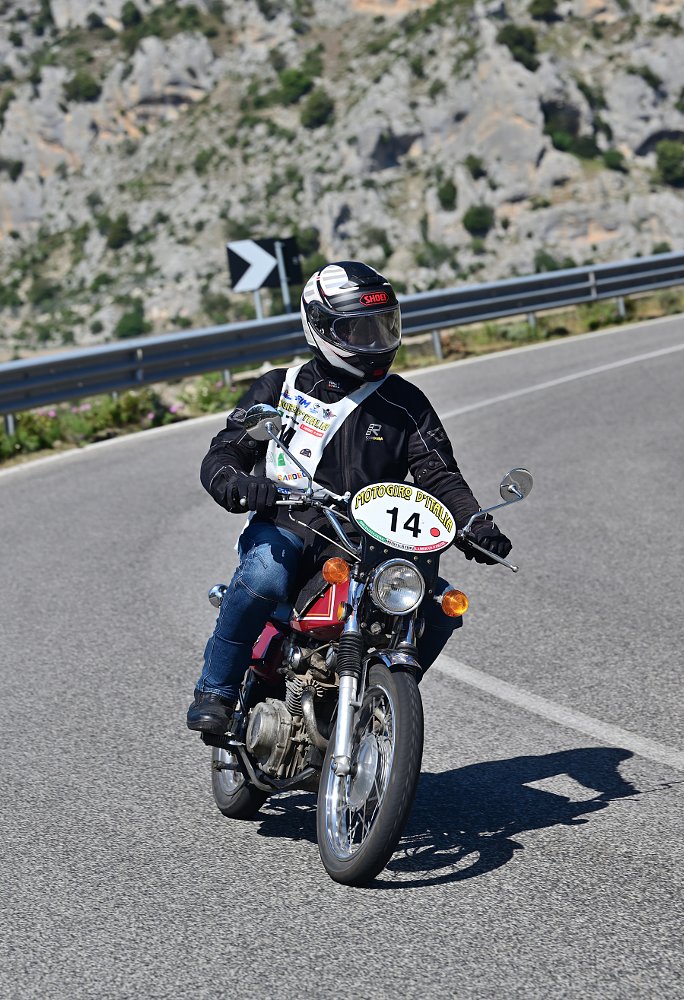
Despite the number of participants, one often finds themselves riding with no one in sight, ahead or behind, the only evidence of the Giro being the pink arrows that have been set to point riders in the right direction. Virtually everyone in the event, at some point, finds they are riding along, having not seen another rider for some time, becoming convinced they've gotten off track and are lost, desperately looking for one of the pink arrows. It's known as "pink arrow anxiety." More often than not, just as you're about ready to turn around you see one of those glorious pink arrows and your angst is quieted. Of course, being on an island, it was easy to assess that as long as you didn't end up in the sea, you knew you were somewhere in Sardinia.
As the kilometers click away, taking riders through farmland, coastline, mountain passages, and quaint villages, the day's checkpoints (usually four or five) are reached. A moment to relax, rehydrate, to have a snack and the essential, time-honored chit-chat between motorcyclists. Many of the villages hosting daily checkpoints and/or water stops have been alerted by the city council and the township is waiting for us. Schools are let out and the MotoGiro contestants are welcomed by cheering kids. Sometimes a band or orchestra in period dress perform music emblematic of the region. And those glorious tables of pizza and Italian treats set out for us to enjoy, wonderful.
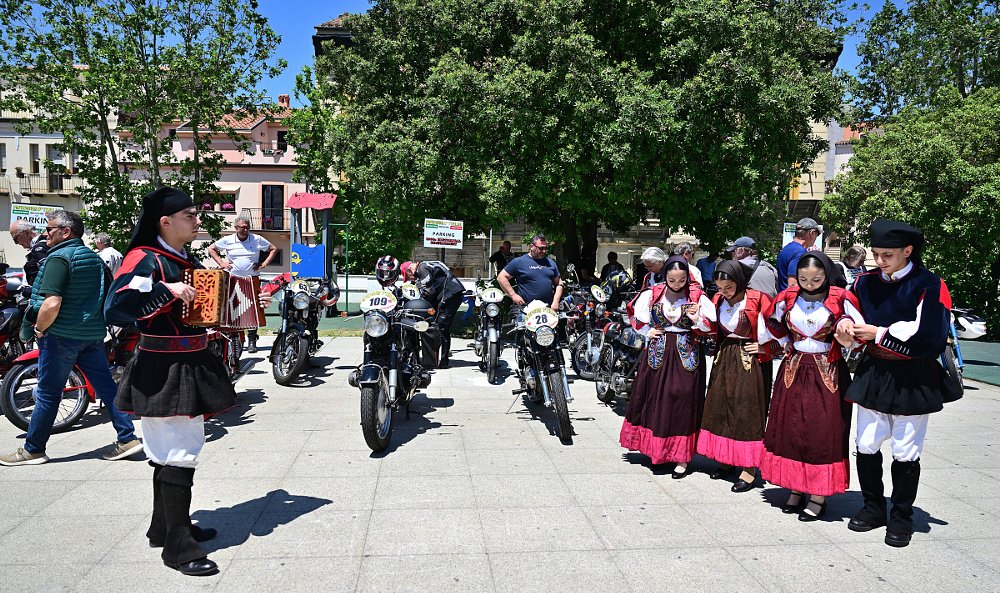
There's an aspect of the Giro difficult to encapsulate. I suppose it falls to me to elaborate. The passion, the carefree and friendly ways of the participants, the friendships forged so easily across nationalities, and especially the abundance of simple joy remind one of the way life is supposed to be. These individuals are purveyors of the frivolities that make a life fun, make a life worth living. All are examples of the doers in life, taking action to ensure an adventurous existence. The café stops and meals are not polluted by talk of politics or the issues facing so much of the world. This is a pause from all that. Instead, the conversations are of motorcycles, of old machines, the shared highs of pristine pavement and roads well curved. It is ultimately the participants who give the MotoGiro its life, its magic. Perhaps all a little nuts, but in the best of ways. After all, who transports their vintage pride and joy across international borders simply to take part in such an event?
The MotoGiro: The machines
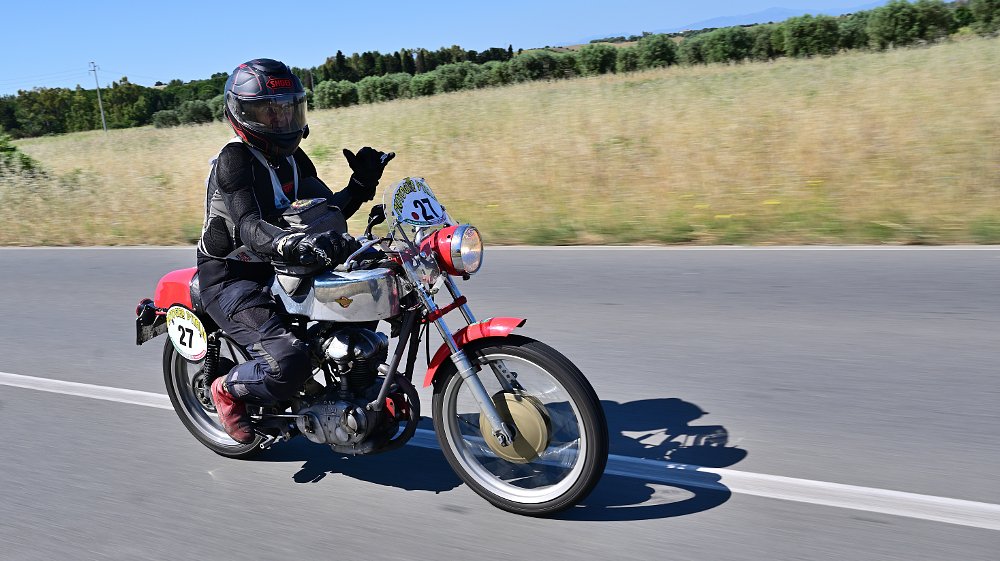
The bikes represent an alluring tapestry of icons. Ducati, Moto Guzzi, BMW, Moto Morini, MotoBi, Mondial, Gilera, MV Agusta, Parilla, Benelli, Puch, Triumph, Norton, BSA, Vespa, Velocette, Laverda, Vincent, Honda, Yamaha, and Indian. Bikes usually relegated to the quiet of museums, here, they are turning wheels, with throttles pinned. These relics are not coddled, revealing surprising speed and endurance (for old bikes), reminding of their racing pedigree back in the day when they represented the height of technology. One has to wonder how many times those crankshafts have turned? How many times their gears shifted? Here, the sentimental, who appreciate such things, are united en masse. The machines are old. They often fail. But to be honest, it's amazing how well these decades-old bikes hold up. Like aged dogs still chasing a ball, unaware of the passing of years, their hearts are immune to slowing down, even if their legs have.
And to think that behind each of the brands was a person who dreamed of crafting a motorcycle. One individual with an idea, for the most part, probably regarded as a lunatic. But what fantastic motorcycles came out of that lunacy. Yes, many motorcycle companies failed, but many succeeded, earning the mantle of legend. Think of all the engineers and designers who joined that lunatic in the crazy dream, all long since having joined the ancestors, yet their creations still turning wheels at the Giro.
The MotoGiro: The riders
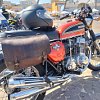
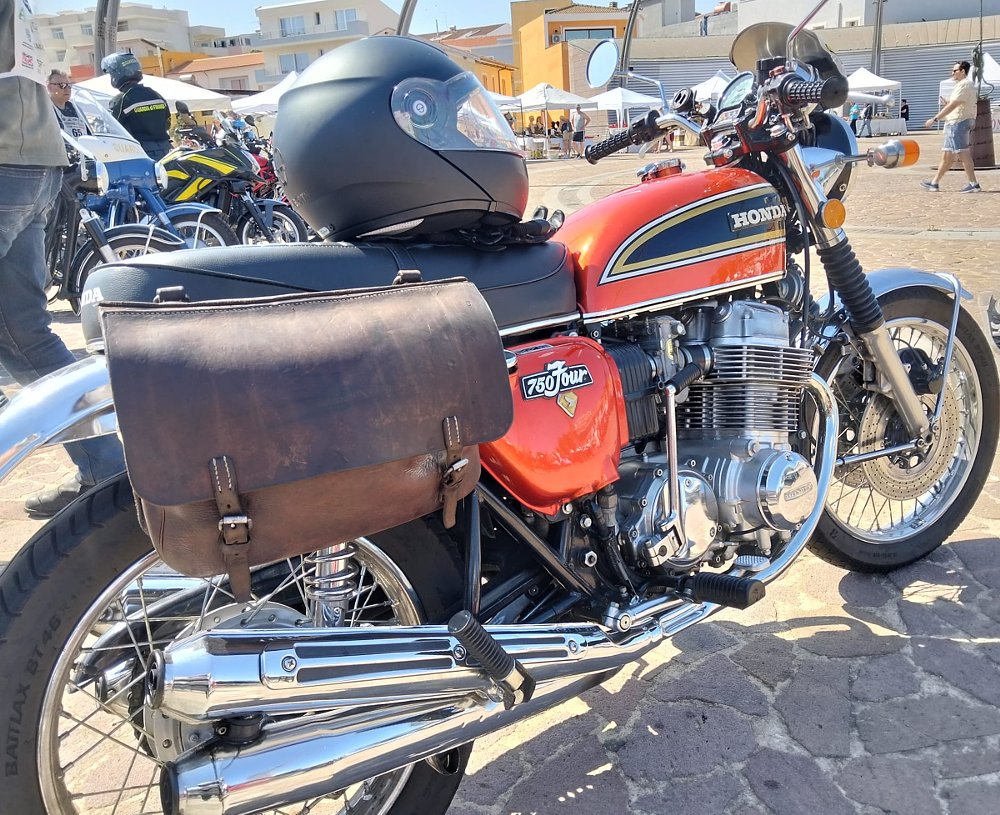
All of the participants have a story associated to the machine they're riding, usually with influence from an episode in their youth. Ingo, a German riding a pristine 1975 Honda CB750 Four, told me that when he was 10 years old there was a CB750 he used to see on his way to school. The bike, and the color, Honda's famous Sunrise Orange Flake, had a marked impression on the young lad, enough so that when Ingo was able, he acquired one, adamant it be that exact color.
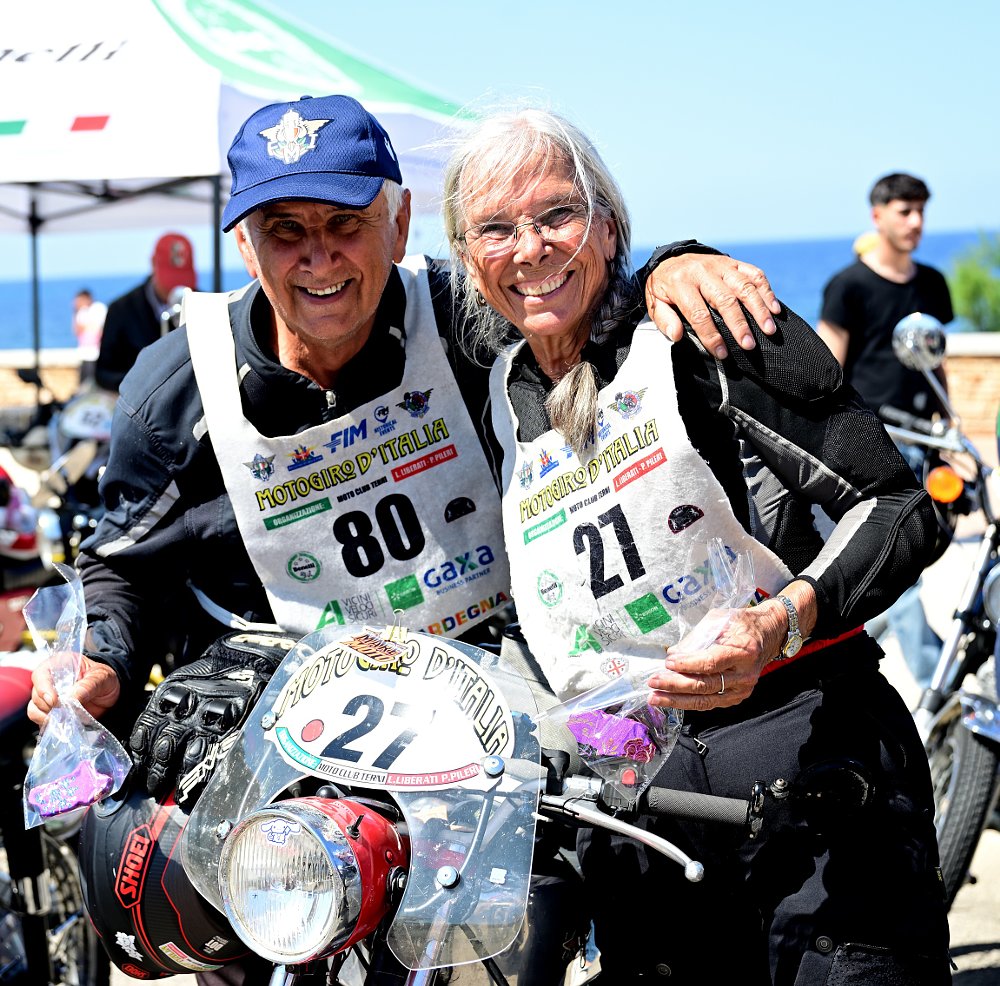
This year, five women rode the MotoGiro. One, Robin, an American from Colorado, a Giro regular, aboard her trusty 1964 Ducati Monza Jr. (I know never to inquire after a lady's age, but let's just say she has a grown granddaughter.) Robin has a colorful history in motorcycles, dating back to when it was less common for the fairer sex to throw a leg over one. She raced in the desert, her off-road career culminating with participation in the grueling Barstow-to-Vegas race (1989), finishing second woman. She's easy to spot on the road, the Ducati at revs, her gray pony tail running down the back of her vintage leathers.
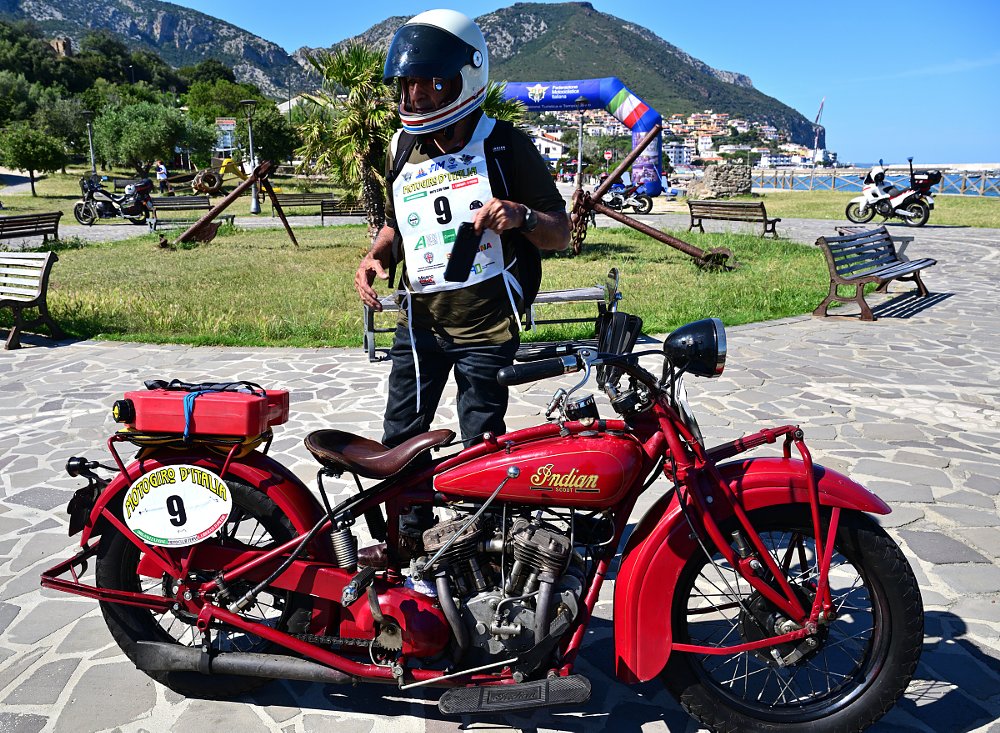
The oldest machine in attendance was a 1928 Indian, ridden by an Indian gentleman by the name of Nawal (an Indian on an Indian). An interesting story of finding new life in middle age; deciding to go after adventures and embracing his love of old motorcycles. Every time I saw him he was plodding along, that big twin thumping, Nawal casually taking in the scenery.
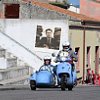
In a handing down of tradition, there were several father-and-son teams. Great to see them riding together out on the route, sharing in something this personal, this special. And, of course, what vintage rally would be complete without a few sidecars, including a powder-blue Vespa 300. Slow but fun.
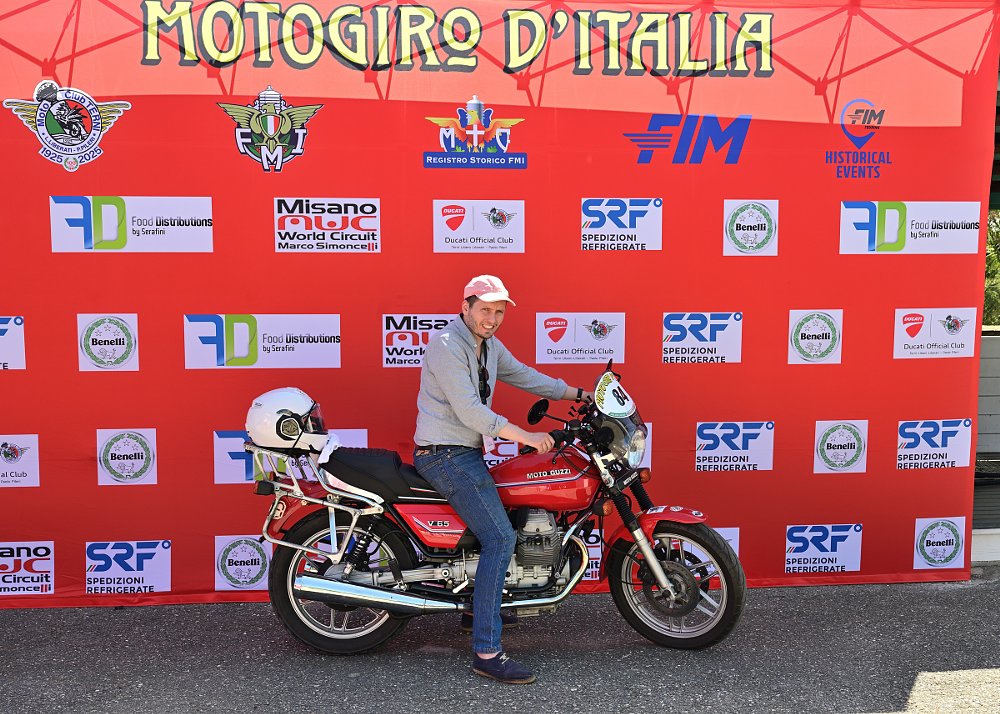
The lone entry from Poland, Pawel, a 30-something neurologist, rode his 1986 Moto Guzzi down from the old country and crossed on the ferry to attend his first MotoGiro. The friendliest and most affable guy, Pawel told me his love of older motorcycles was born out of growing up in post-communist Poland, where income and motorcycles were both hard to come by. Interestingly, his taste for vintage was formulated by the struggle of acquiring a motorcycle in his younger years, with only older, used bikes available, all desperately in need of TLC. Now, despite a career as a neurologist, he prefers the old steel to new. His story was especially poignant in terms of the contrast to my growing up in America.
A group of English gentlemen, regulars known for their good-natured humor, colorful euphemisms, and stable of small-displacement vintage Hondas, were in attendance. I'd met them at last year's event. Sadly, this year they were shy a member. Six weeks prior to the event, as plans were being finalized, one of their clan, Tim, fell ill. A neurological issue that swiftly overtook him. He'd been planning to attend the Giro, with entry and number assigned. But he was too ill to make the trip, with a prognosis that was far from reassuring. So his friends did something truly touching. They brought his bike down from London and his best friend rode the little Honda 175, liveried with Tim's assigned number, providing a spiritual presence in his cherished Giro
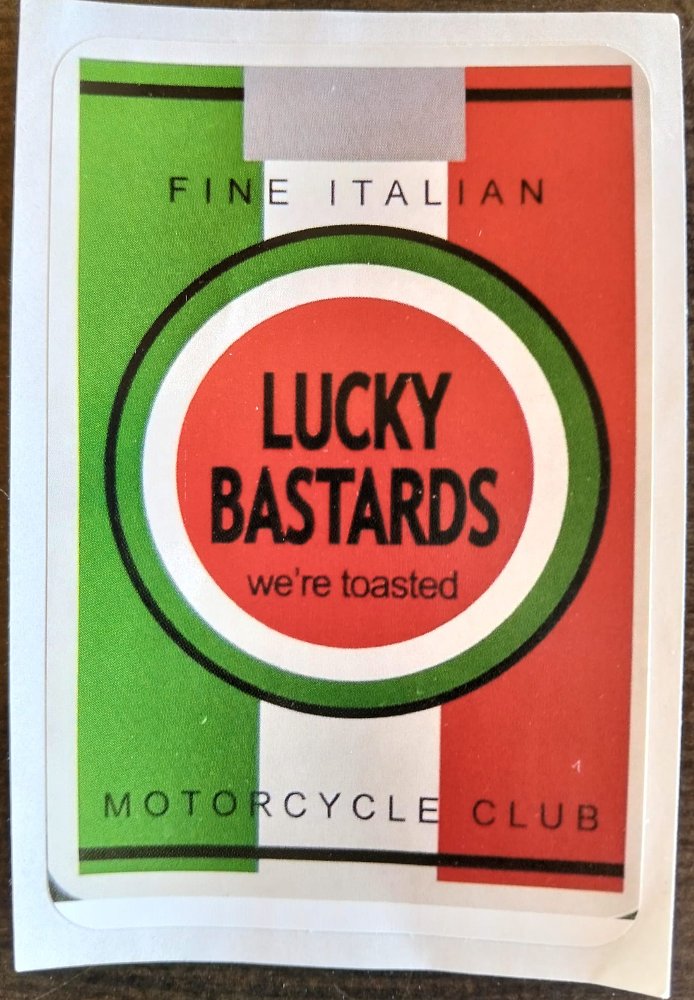
A perfect example of the camaraderie of the Giro, one evening I watched several members of The Lucky Bastards — an American group comprised of old friends who have attended the Giro for years — troubleshoot one of their mounts with an attending Italian mechanic. The Americans didn't speak Italian, the Italian didn't speak English, yet they worked together to resolve the issue in the universal language of combustion engines. By the way, the Lucky Bastards came to their group name at a MotoGiro in years past. Sitting around a table, enjoying life in the Italian landscape, one of them said, "Aren't we lucky bastards?" The name stuck.
Testament to the allure of the MotoGiro, Ken, from Virginia, retired from the U.S. State Department, was attending for the first time. Ken had convinced his friend, Matt, to come along. On rented bikes (a 1971 Ducati Scrambler and a 1974 Harley-Davidson Aermacchi), they took to the daily rides like ducks to water. A week after the event Ken emailed me excitedly about where next year's MotoGiro will be; mainland Italy. The Giro will do this to you.
The MotoGiro. So many diverse careers, personalities, nationalities, religions, beliefs, attitudes, and senses of humor, yet all bound, deeply, by a shared passion. This happy breed of sentimental gearheads convenes on Italian soil every May.
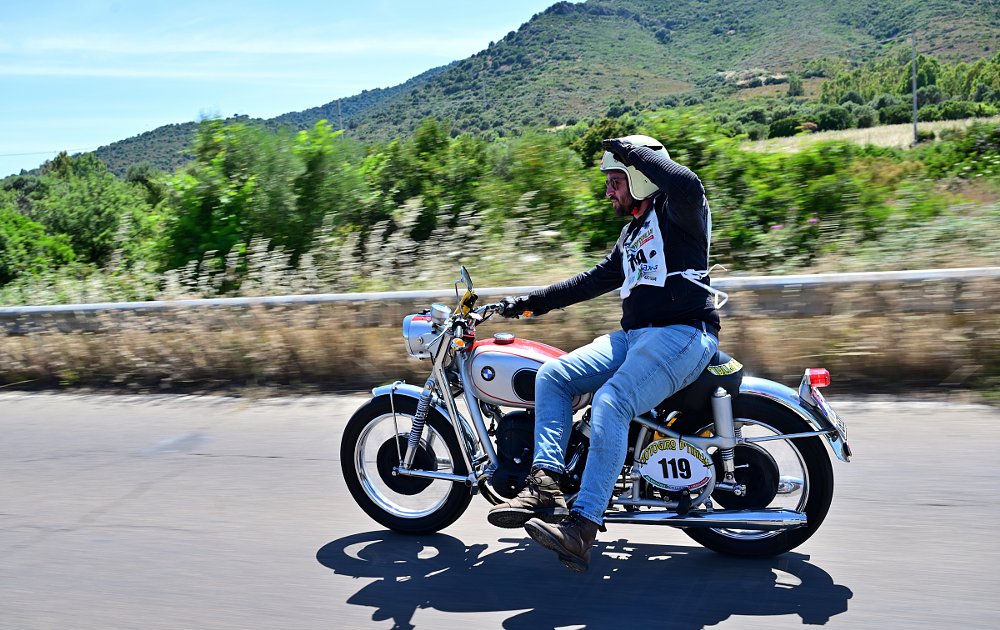
If you don’t have your own vintage machine, the MotoGiro will help arrange rental of a classic motorcycle, ensuring full immersion in the histrionics. Or, bring or rent a modern bike. All are welcome, with class divisions to suit virtually anything on two wheels.
To learn more and arrange your own MotoGiro experience, visit motogiroitalia.it.