




 Riders Preferred Membership
 Shop by Vehicle
 Track Order
 Contact Us
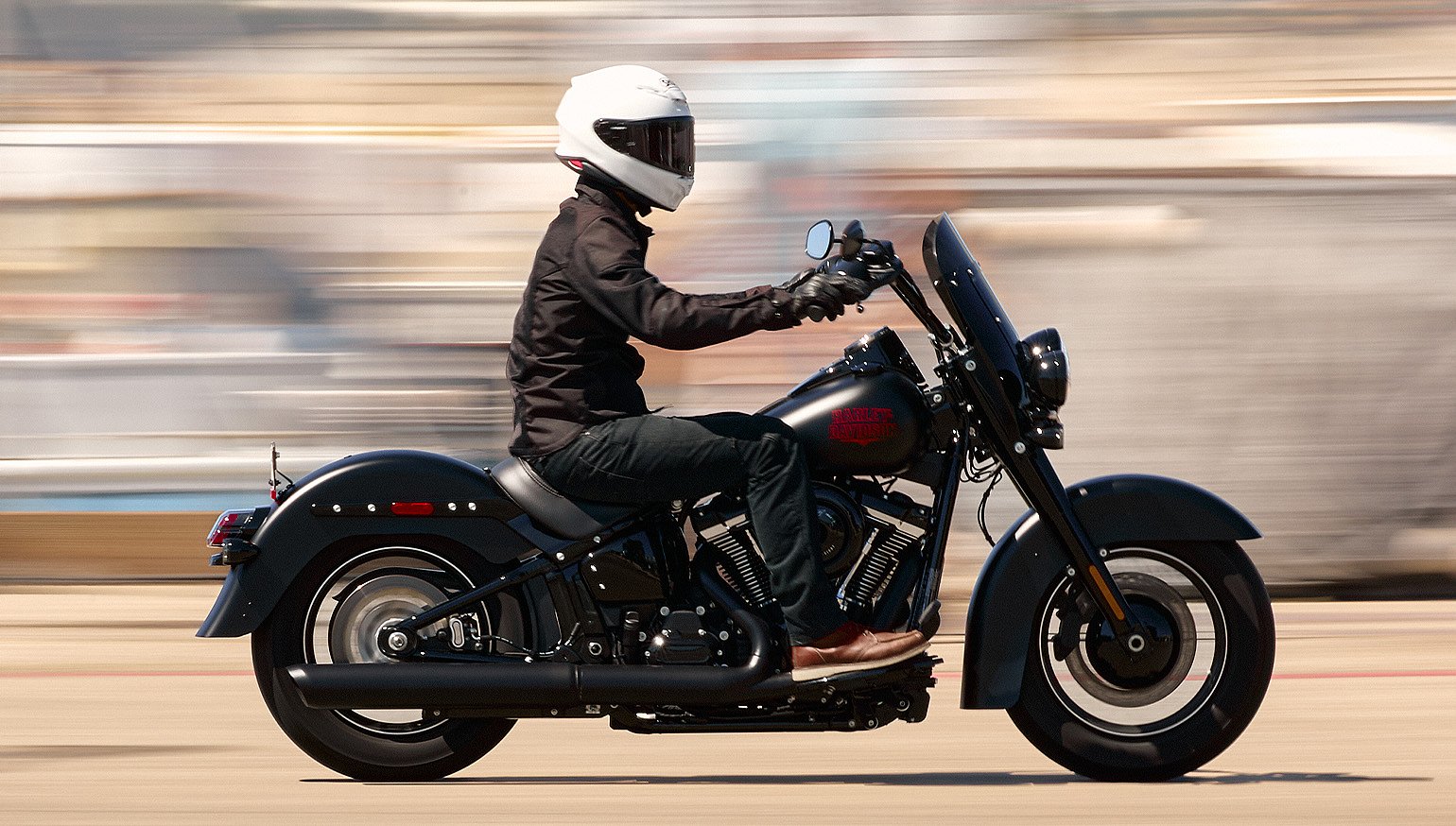
Ask a five-year-old to draw a motorcycle, and they’ll sketch something similar to the Deadwood.
Ask a non-riding adult what a motorcycle looks like, and they’ll envision something similar to the Deadwood.
Ask AI to generate an image of a Harley-Davidson, and it’ll mock up something similar to, you guessed it, the Deadwood.
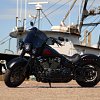
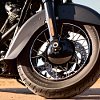
A big-inch V-twin, teardrop tank, laced wheels, matte black paint; all core components of the quintessential cruiser. All core components of the Harley-Davidson Deadwood.
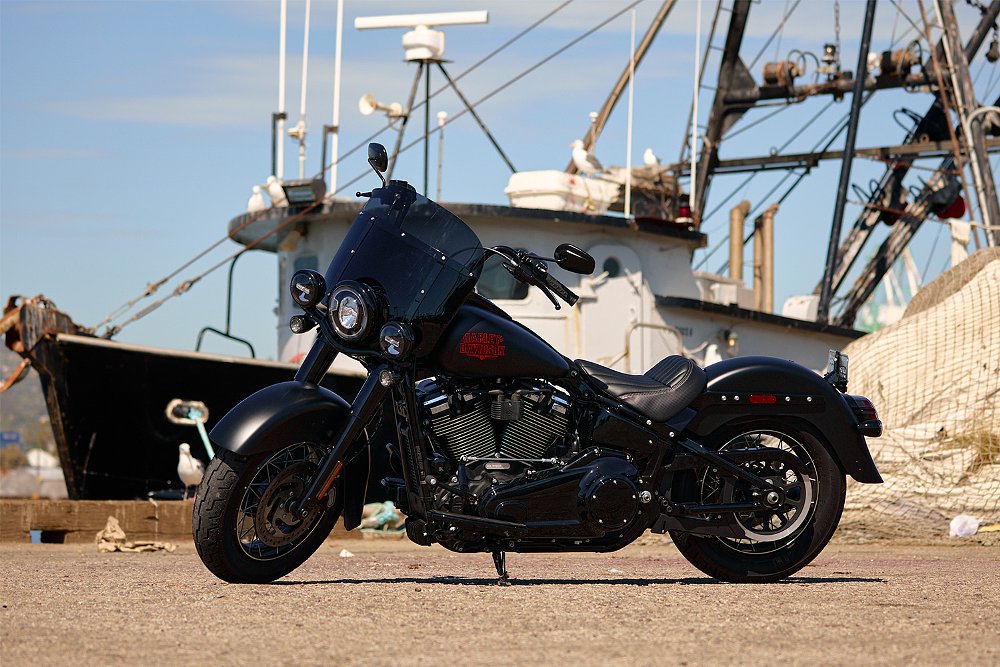
In many ways, the blacked-out Hog is an archetype, an archetype bordering on stereotype. (What’s a black sheep in a flock of black sheep?) From that vantage point, the Deadwood is as predictable as a skull cap at Sturgis. It’s what everyone expects — rider or non-rider, Harlista or non-Harlista. That’s to say, the Deadwood doesn’t add any new pages to the cruiser cookbook. It doesn’t put a new twist on an old recipe. It simply subtracts ingredients from an existing dish.
The bare essentials
If you notice whispers of the Heritage Classic when you look at the Deadwood, you’re not seeing things. The latter doesn’t fall far from the former’s tree. The Deadwood wasn’t so much built upon the Heritage, however. It was more so stripped down from the Heritage.
The bag-bearing Softail has been a mainstay in the H-D lineup for nearly 40 years. The Heritage is, itself, a classic. It’s easy to see why, too. It’s timeless, with retro styling and chrome finishes. It’s nomadic, with a tall windshield and passing lamps to boot. From the saddlebag studs to the mudguard ornaments, the Heritage is an exercise in measured maximalism. The Deadwood, on the other hand, opts for a darker aesthetic.
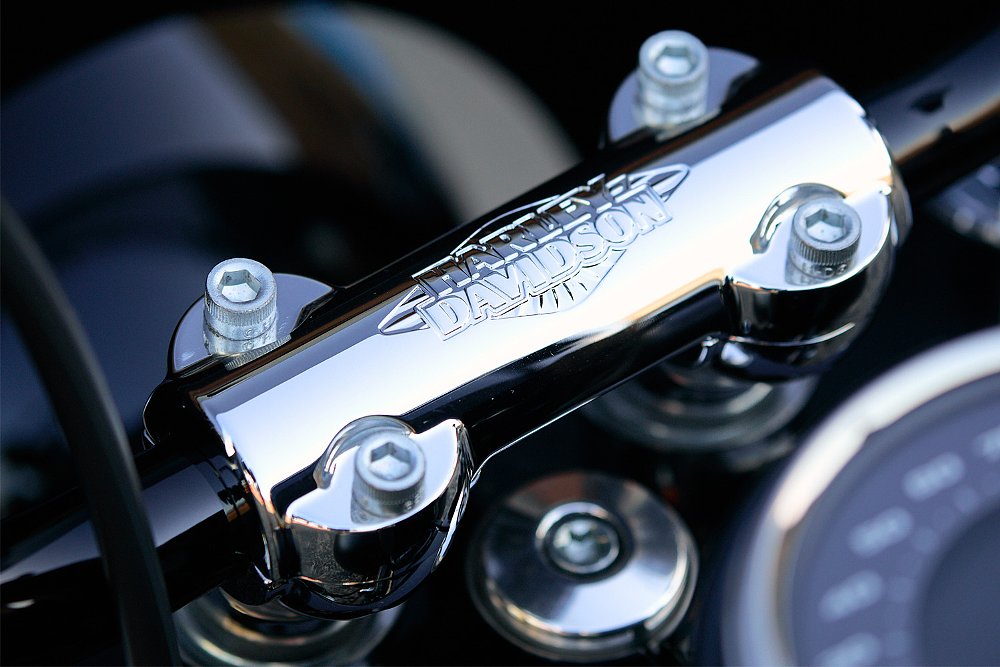
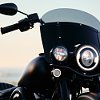
The leather-wrapped luggage goes by the wayside. So too does the two-up seat, replaced by a solo saddle. The removable windshield is now cropped and tinted. Harley even deleted the detailed fender trim. Dip what’s left in shades of matte, gloss, and wrinkle black, and what you have is the Deadwood. Still, the FLHD can’t hide its, for lack of a better term, heritage.
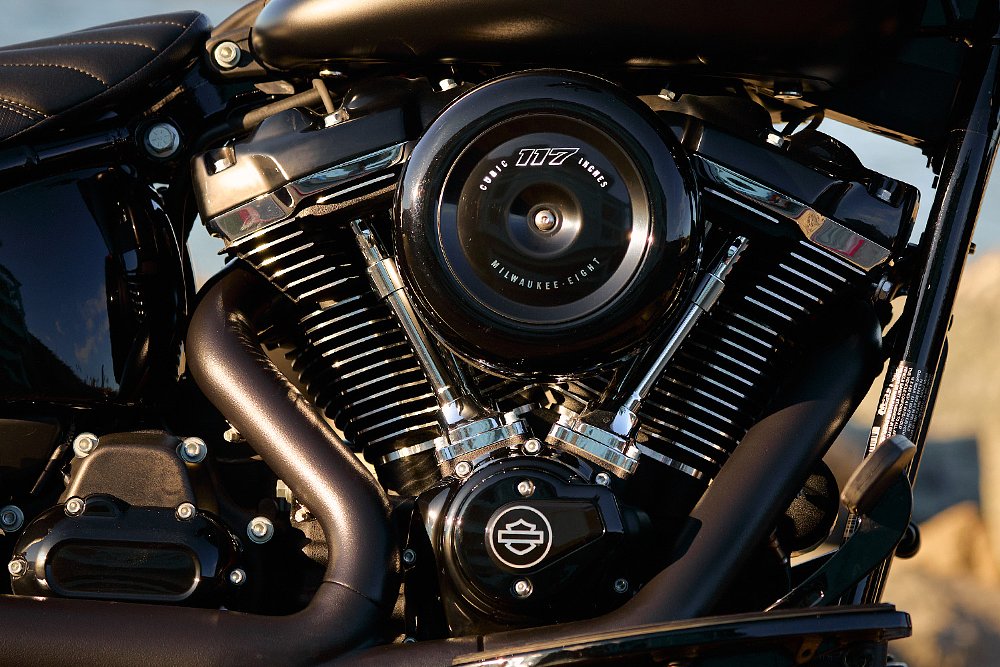
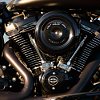
The Milwaukee-Eight 117 Classic found in the Heritage Classic also powers the Deadwood. We’re not just talking about the same block; we’re talking about the same tune. Harley lists both models at 98 horsepower (at 4,600 rpm) and 120 foot-pounds of torque (at 2,500 rpm). It’s a similar story with the chassis. Both share the same 30-degree rake and 64.2-inch wheelbase. The 16-inch tires they roll on (130/90 front and 150/80 rear) are identical. The five-gallon tank remains consistent. The same goes for the electronics, which include cornering ABS, traction control, and drag-torque slip control.
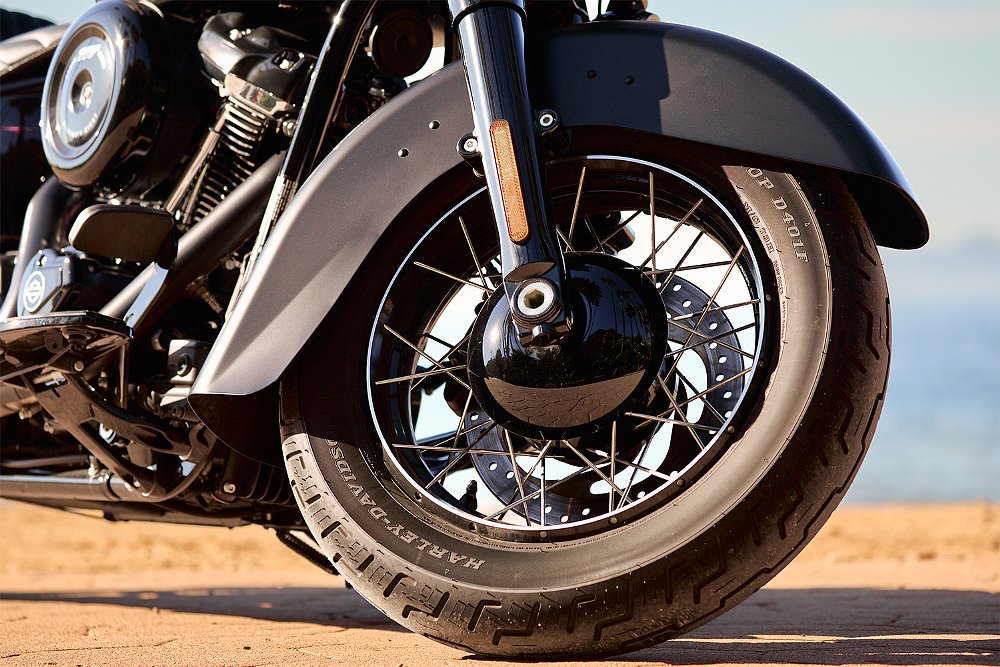
The Deadwood’s leaner build is the biggest genetic variation here. Without the 45-liter saddlebags, cast wheels, tall windscreen, and decorative hardware, the Deadwood weighs in at 679 pounds, a full 35 pounds under the Heritage Classic’s claimed weight (and seven pounds under its own claimed weight, I might add). But by shedding those precious pounds, the Deadwood also sheds precious functionality. Nowhere was that more illustrative than on a ride.
The cruiser conundrum
“Where am I supposed to take this thing?”
That’s the question I pondered when I first threw a leg over the Deadwood. All the key qualities of a capable tourer were there. A windshield to minimize fatigue. An array of headlights to illuminate the wee hours. Floorboards to stretch into a recliner slouch. Each facet delivers on its intended purpose. If only the Deadwood offered the most basic of touring needs: luggage.
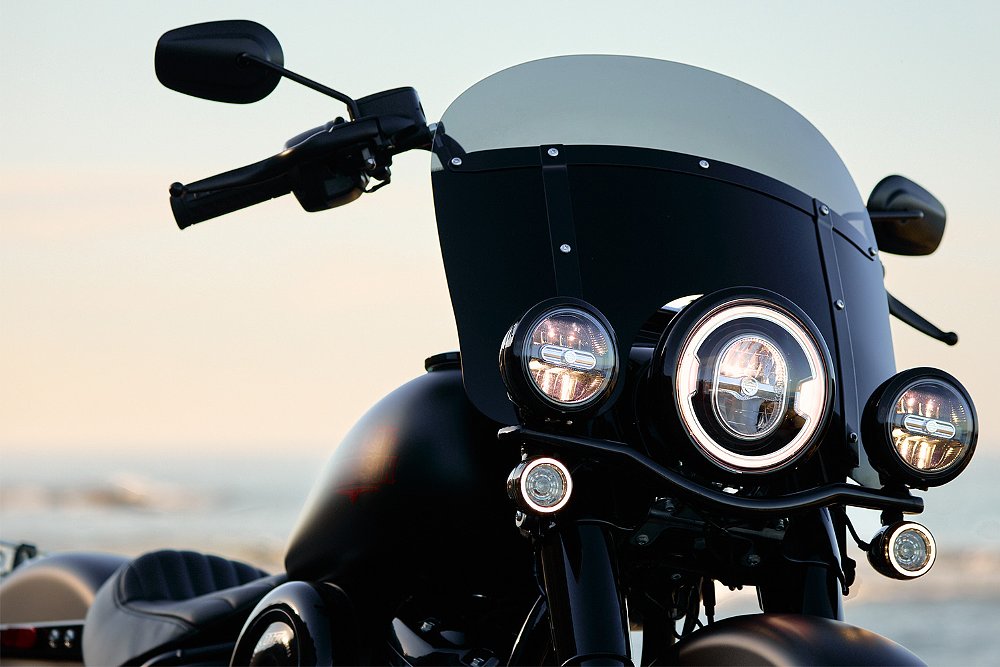
I was perplexed, to say the least. When it comes to American V-twins, windshields and saddlebags almost always come as a package deal. The Deadwood breaks with that tradition. It’s a cruiser conundrum of sorts. Sure, one could venture far on the Deadwood’s back, but without supplies, what are they to do when they arrive? Can a motorcycle be travel-friendly and road trip-averse at the same time? To complicate the question further, riding the Deadwood only put its mile-munching potential on display.
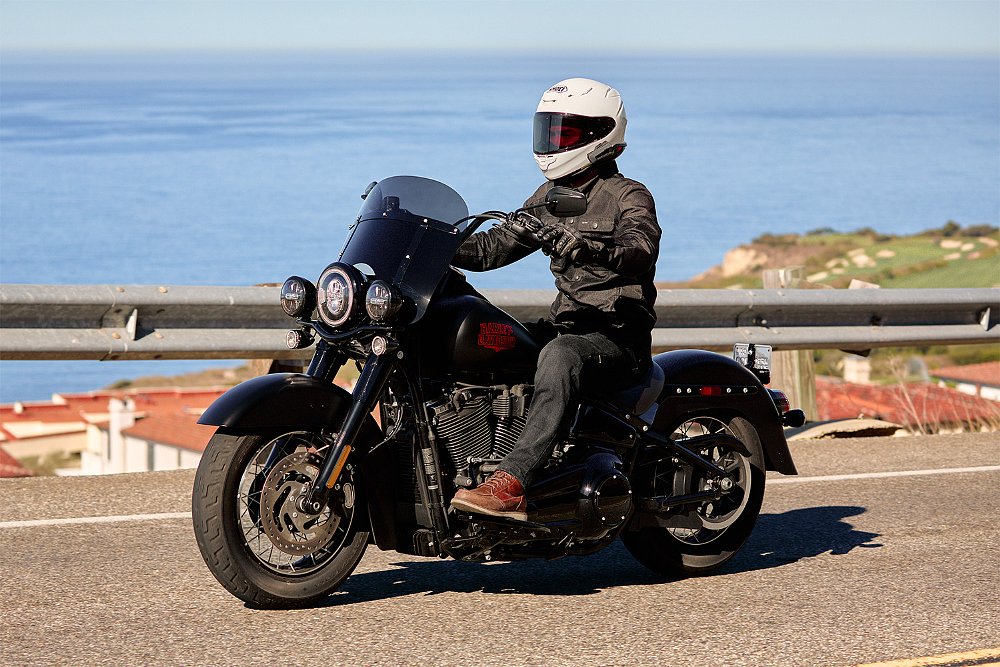
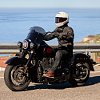
First and foremost, the cruiser’s cockpit is capital-C Comfy. I’ve often lamented the wind resistance that comes along with mini ape hangers, but on the Deadwood, those complaints are moot. Much of that is owed to the model’s removable windshield. Chopped as it may be, the screen still deflected the vast majority of oncoming air around and over my five-foot-ten-inch frame. Granted, the wind streaming off the shield’s lip met the crown of my lid, but much of it was diffused by that point. So much so, in fact, that I often left my helmet visor cracked, even when maintaining interstate speeds.
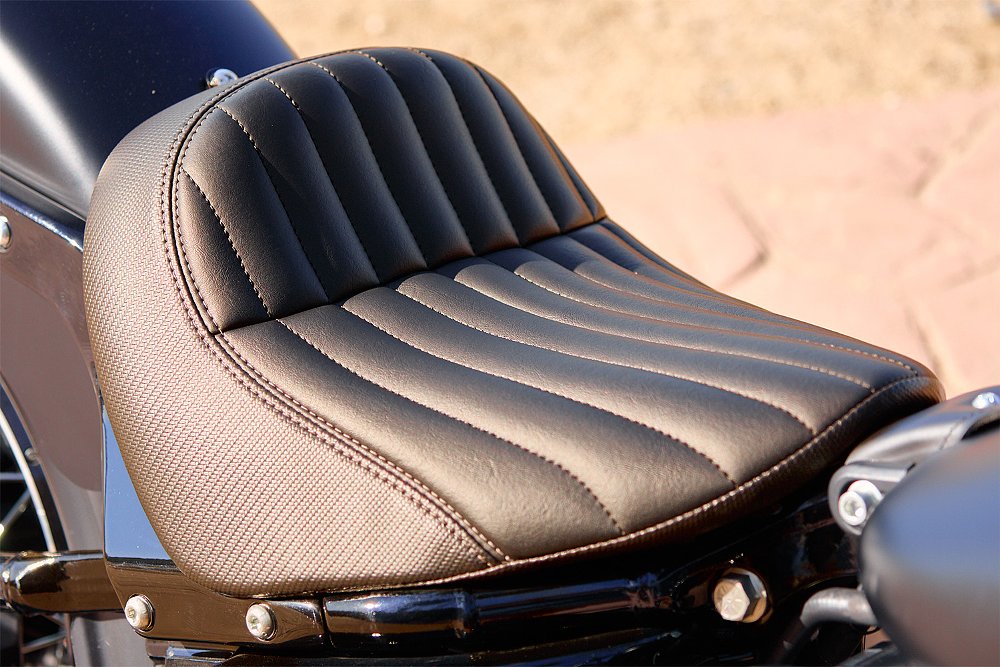
I can pile similar praise on the Deadwood’s seat. The saddle didn’t fully cup my gluteus maximus. Its rear lip didn’t always lock me in place either, especially during hard throttle pulls in Sport mode. But if comfort is the name of the game, the Deadwood’s perch delivers. The padding may seem low-profile, but it strikes the right balance between cushion and support. Most stock seats leave me shifting for relief within 60 minutes. There were no such adjustments on the Deadwood.
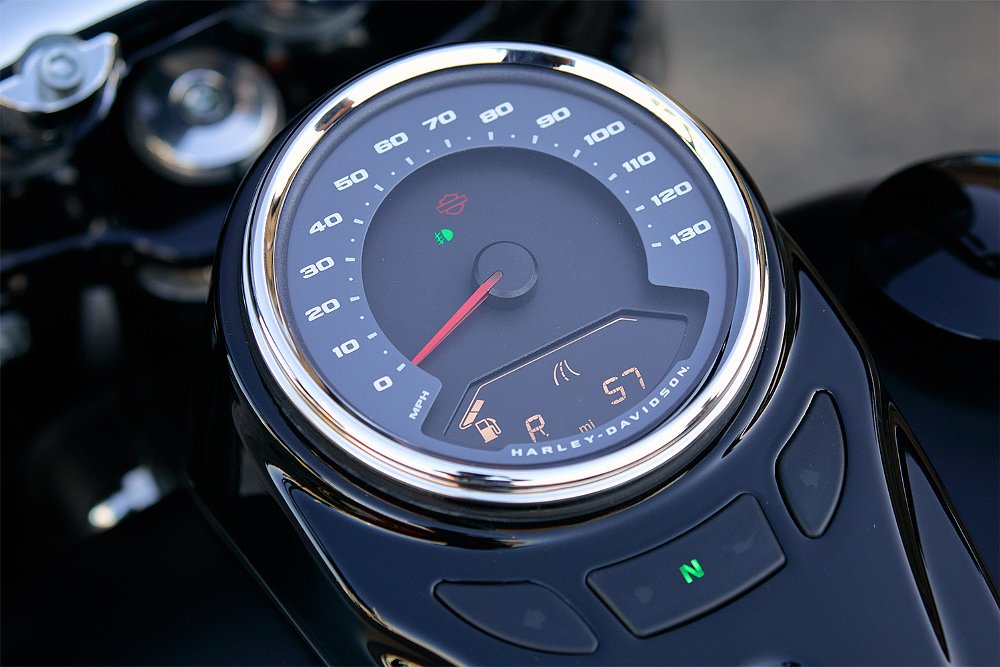
That cozy quality permeated the Deadwood, including its nearly two-liter V-twin. Among Harley’s Milwaukee-Eight 117s, the Classic version produces the least horsepower and torque. Yet, I couldn’t be bothered by spec sheets or dyno charts while piloting the Deadwood.
The liquid/air-cooled mill supplies enough thrills in Sport mode, thanks to a crisp throttle response and an engaging power delivery. Sure, it boosts adrenaline production from stoplight to stoplight, but it was most beneficial when throttling out of danger on the freeway. Still, I favored Road mode on most occasions, preferring its steady, if not unhurried, pace. It simply suited the Deadwood’s laid-back vibe more.
It’s these qualities that made logging miles on the Deadwood that much more enjoyable. More specifically, logging highway miles. But without bags, such advantages seemed squandered. My question was no longer, “Where am I supposed to take this thing?” It was, “What’s the point?” I only found the answer after finding a twisty road.
The destination
I don’t want the previous sentence to seem misleading. The Deadwood is far from the best-handling Harley. It isn’t even the best-handling Softail. Tip-toeing through the tighter turns made that clear. In such environs, the Deadwood felt like riding a dead log down a creek. Part of that comes down to its 130-section front tire, which requires more steering input at lower speeds. Its long wheelbase and heavy curb weight don’t help either.
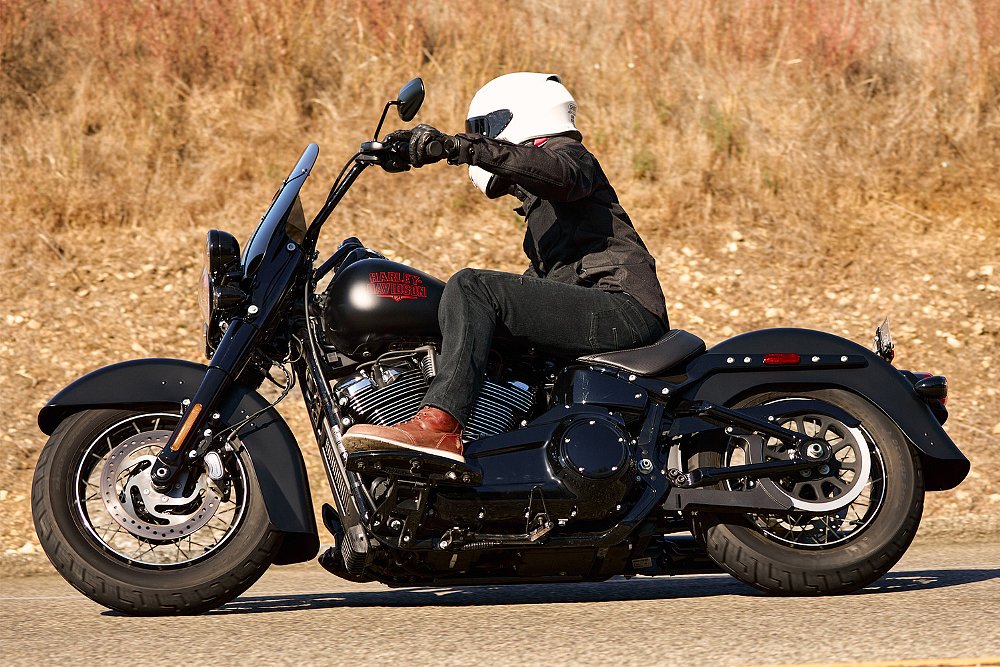
Put the Deadwood on a flowing patch of pavement, though, and it tips into corners with minimal effort. The steering becomes direct and natural, neither urgent nor lazy. It’s that stable handling characteristic that allowed me to establish a rhythm, connecting corner to corner with the utmost ease. If I could boil it down to one word, it’d be graceful.
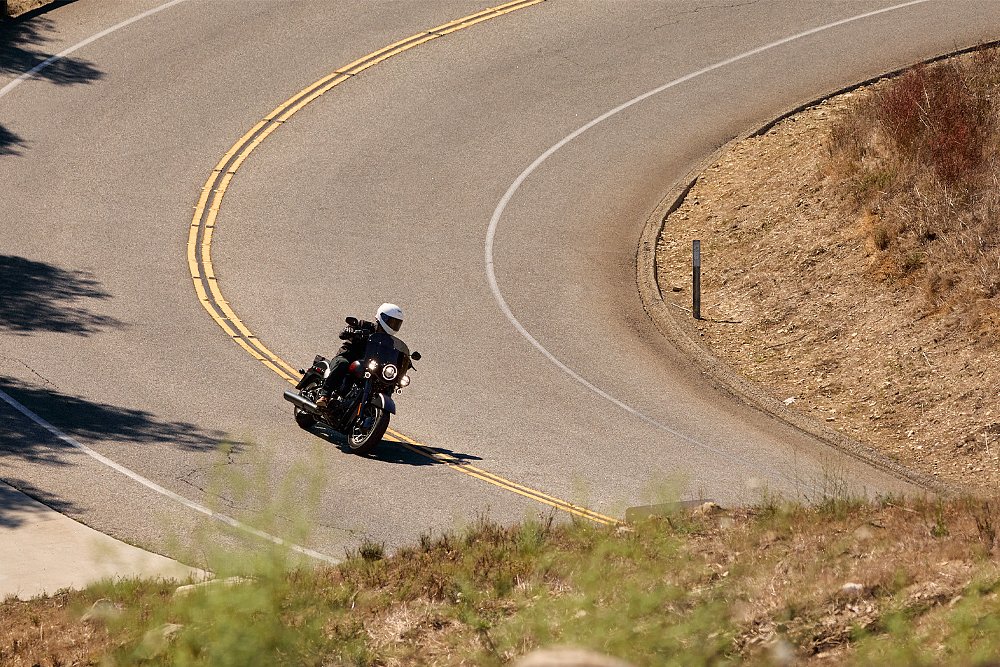
Unfortunately (or fortunately), the roads where the Deadwood performs best required leaving my West Los Angeles bubble, away from the technical, stop-and-go canyons found throughout Malibu. Therein lies the Deadwood’s use case. The bagless cruiser isn’t built for the cross-country adventure. It’s built for Sunday adventures. It’s built for the weekend ride, not the week-long ride. Only after unlocking that answer did I embrace the Deadwood for what it is.
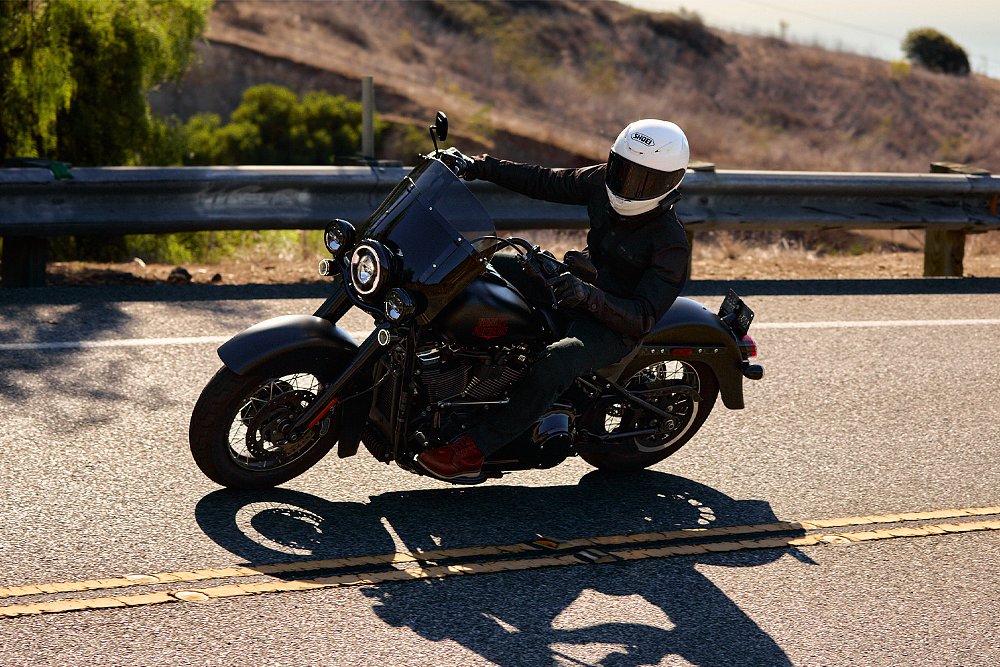
The weekend warrior
Harley’s newest model, variant, derivative, call it what you will, doesn’t rank high on versatility. We’ve established that it isn’t a tourer. It isn’t much of a commuter either. Some might scoff at that narrow application. But how many multi-day road trips does the average rider take annually? How often does the average rider commute to work? Now, how many joy rides does the average rider go for? That’s who the Deadwood seeks to serve: the average rider.
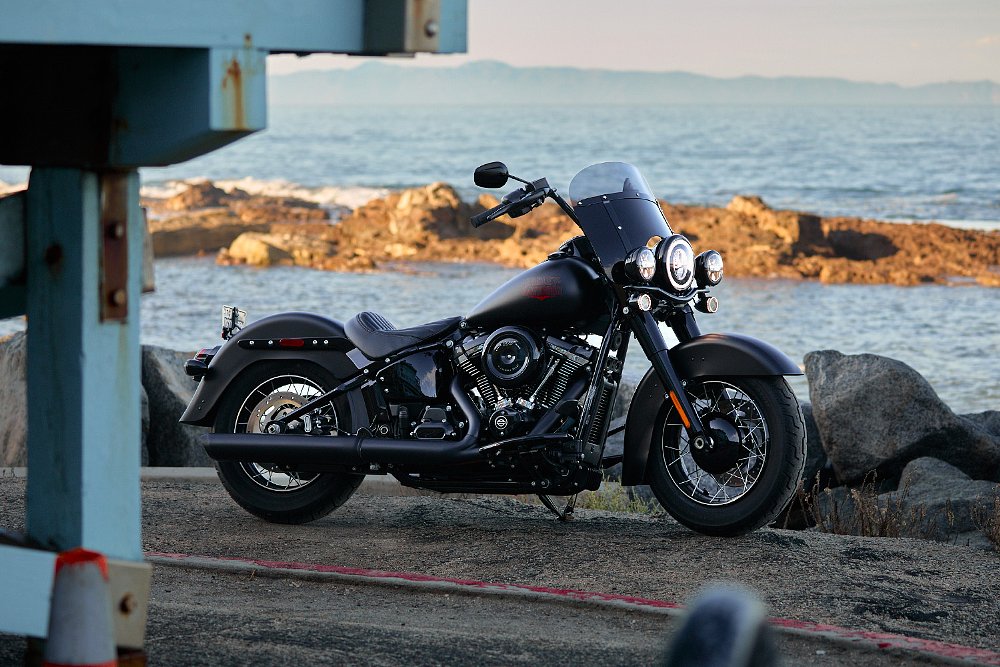
It’s for those who ride every weekend — or every other weekend. It’s the bike you take when you want to “make an afternoon of it.” It’s the bike you take if you can get there and back on a single phone charge. Yes, the Deadwood is formulaic. It’s basic, but it’s basic like a white T-shirt and blue jeans. It will never go out of style. That's what a cruiser is, and that's what the Deadwood is.
| 2026 Harley-Davidson Deadwood | |
|---|---|
| Price (MSRP) | $17,999 |
| Engine | 1,923 cc, air/oil-cooled, eight-valve, V-twin |
|
Transmission, final drive |
Six-speed, belt |
| Claimed horsepower | 98 @ 4,600 rpm |
| Claimed torque | 120 foot-pounds @ 2,500 rpm |
| Frame | Steel tubular |
| Front suspension | 49 mm fork; 5.1 inches of travel |
| Rear suspension | Monoshock, adjustable for spring preload; 3.4 inches of travel |
| Front brake | Four-piston caliper, 300 mm disc with ABS |
| Rear brake | Two-piston caliper, 292 mm disc with ABS |
| Rake, trail | 30.0 degrees, 5.8 inches |
| Wheelbase | 64.2 inches |
| Seat height | 26.2 inches |
| Fuel capacity | 5.0 gallons |
| Tires | Dunlop Harley-Davidson Series, 130/90B16 front, 150/80B16 rear |
| Measured weight | 679 pounds |
| Available | Now |
| Warranty | 24 months |
| More info | harley-davidson.com |