





 Riders Preferred Membership
 Shop by Vehicle
 Track Order
 Contact Us
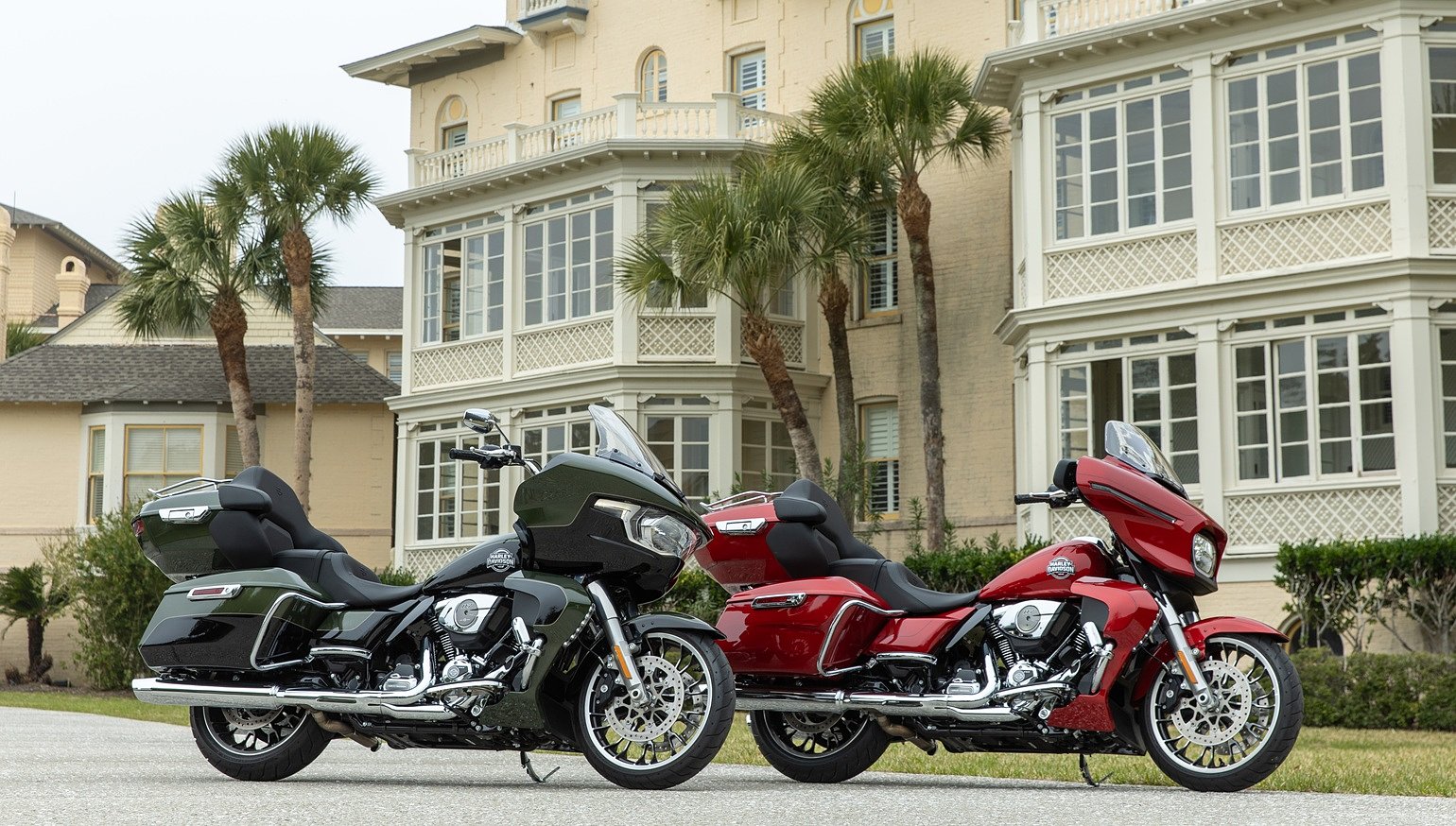
Harley-Davidson motorcycles have always appealed to a highly dedicated segment of the market. The models, styles, and preferred choices of how to customize them have been heavily influenced by ever-changing trends and fashions. These days, most Harley riders, young and old, prefer to be on baggers.
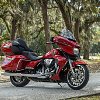
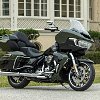
I recently took part in a Harley press ride on the brand new 2026 Road Glide Limited and Street Glide Limited models. We rode for two leisurely days from Charleston, South Carolina, to Daytona Beach, Florida, in time to catch Daytona Bike Week. The motorcycles in Harley-Davidson's Touring category, which are not necessarily used for touring, now represent more than half of the company's unit sales and an even bigger part of its profits, and they are also a critical component of Harley's plans for the future. But it wasn't always that way.
Editor's note: Buzz Kanter is the former publisher of American Iron and other print magazines. He was inducted into the AMA Motorcycle Hall of Fame in 2002.
Flip through old motorcycle magazines from a few decades ago and you will see that today's bagger scene simply didn't exist. While I will share my experiences with both of the new bikes, let's first take a look at how baggers, and their appeal, have evolved over the years.
Geezer glides: Before baggers were cool
While leather saddlebags made the transition from horses to motorcycles about the time Henry Ford introduced his Model T to the world, it was not until the 1950s that Harley first offered touring motorcycles with factory windshields and hard bags.
Those bikes were originally referred to as "dressers," short for full-dress tourers, and many dismissed this style of motorcycle as "garbage barges" or worse. Back then, pretty much the only people who rode them were either mounted police or old geezers. Younger owners mostly preferred the lighter and more easily customized Sportsters, Super Glides, and FXRs. They tended to bob or chop the bikes of all unnecessary clutter, favoring form over function, often adding extended forks, loud exhausts, crazy paint jobs, ape-hanger handlebars, sissy bars, and tiny gas tanks. It was an era of extreme form over marginal function and baggers were deeply out of fashion.
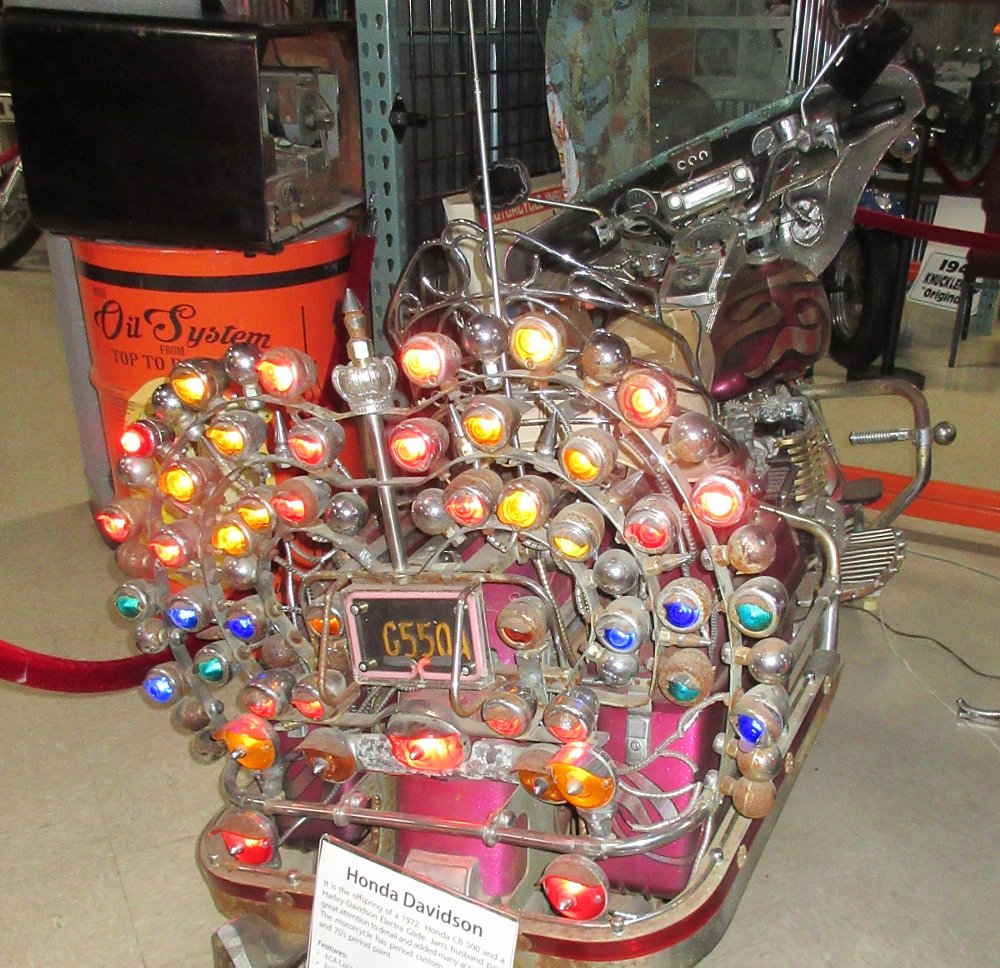
One exception to the anti-bagger trend was a small but active number of rebels who customized their Electra Glides in the short-lived Coney Island look. They added hand fabricated chrome "peacock" rails and trim to sport dozens of rear-facing bullet lights. It was not unusual for these riders to add stronger generators and sometimes an extra battery to handle the power needs in the pre-LED era.
Fast forward to the 1990s and some custom builders shifted to retaining or even adding hard bags — initiating newly found traction for "baggers" being cool. They often featured custom wheels, loud exhausts, and wild paint jobs. It didn't take long for externally mounted loud speakers and aftermarket sound systems to take hold. As this trend grew more popular, we saw, and heard, rolling boombox baggers with built-in speakers that often took up much of the space of the saddlebags, and producing enough sound to… well, you get the idea.
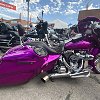
Then the Big Wheel Baggers hit the bricks about 15 years ago. These bikes were embraced by some but dismissed by others as echoing the three-wheeled Big Wheel children's toy of the 1960s and '70s. The custom front (and occasionally rear) wheels were so tall, they wouldn’t fit or function with a stock front fork. To accommodate these wheels, the frame, fork, and suspension had to be custom-built at no small cost. These Big Wheel Baggers featured front wheels ranging from 23 inches to as radical as 34 inches or even taller. And, of course, they almost all featured the now requisite ear-numbing sound systems.
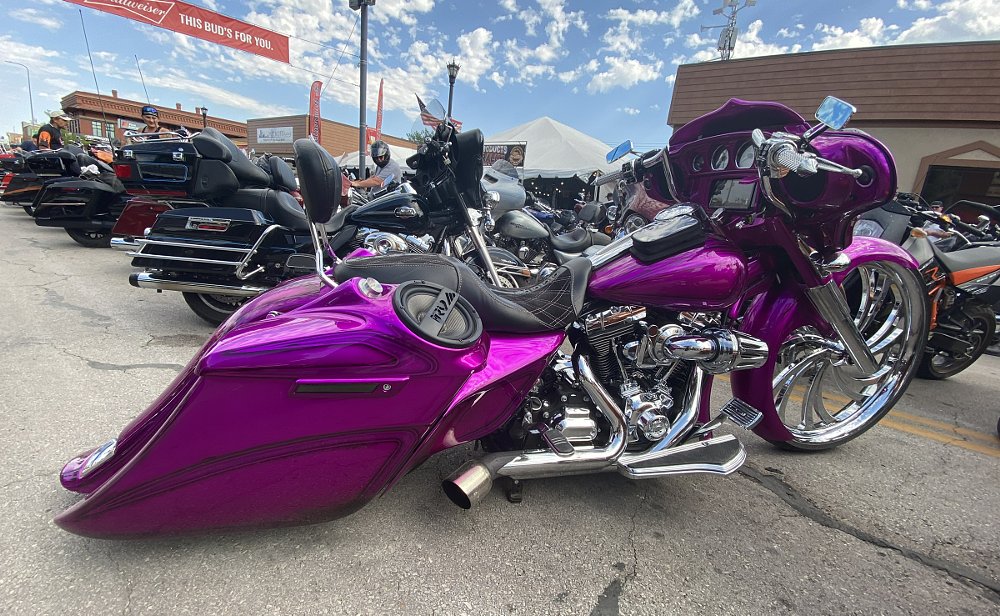
While some Big Wheel Baggers can still be found at most of the larger rallies today, most baggers were more modestly customized, often with ape-hanger bars reaching up taller than the windshields, lots of chrome, and even louder sound systems.
Now, more than seven decades since the first dressers rolled out of showroom floors, the latest trend has been toward high-performance baggers with lumpy cams, programmable fuel and ignition systems, big-displacement engines, NO2, turbochargers, and more. Could this new trend be the pendulum swinging from form to function? Or is it just another way to express yourself with wheelie riding, rear tire smoking performance in mind?
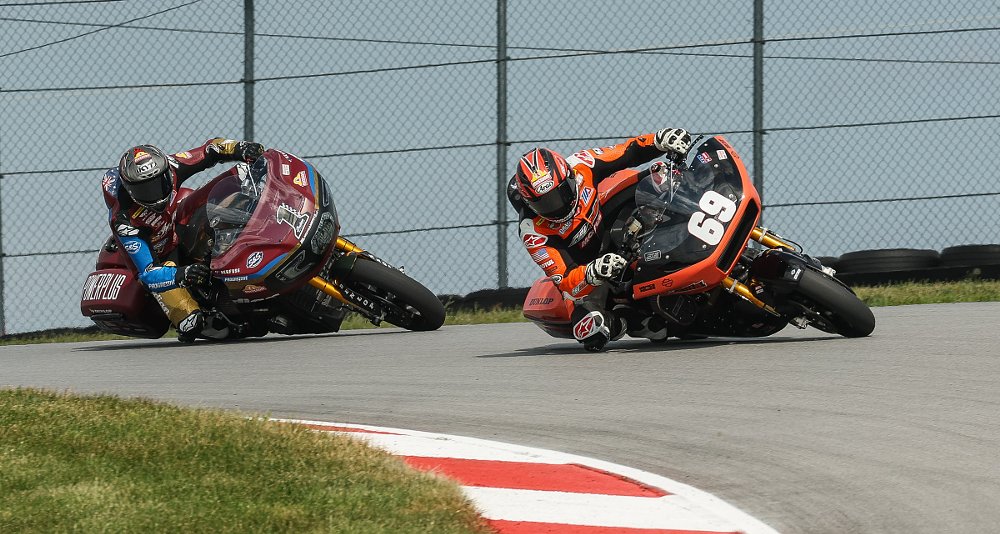
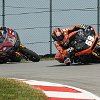
The performance baggers were the inspiration for the popular MotoAmerica Mission King of the Baggers race series, among others, and in turn the racing feeds the trend on the streets.
However the trends continue to evolve, Harley-Davidson is all-in when it comes to catering to the bagger segment and its newest models, the Road Glide Limited and Street Glide Limited, sit at the top of the line, fully outfitted with luxury and comfort features.
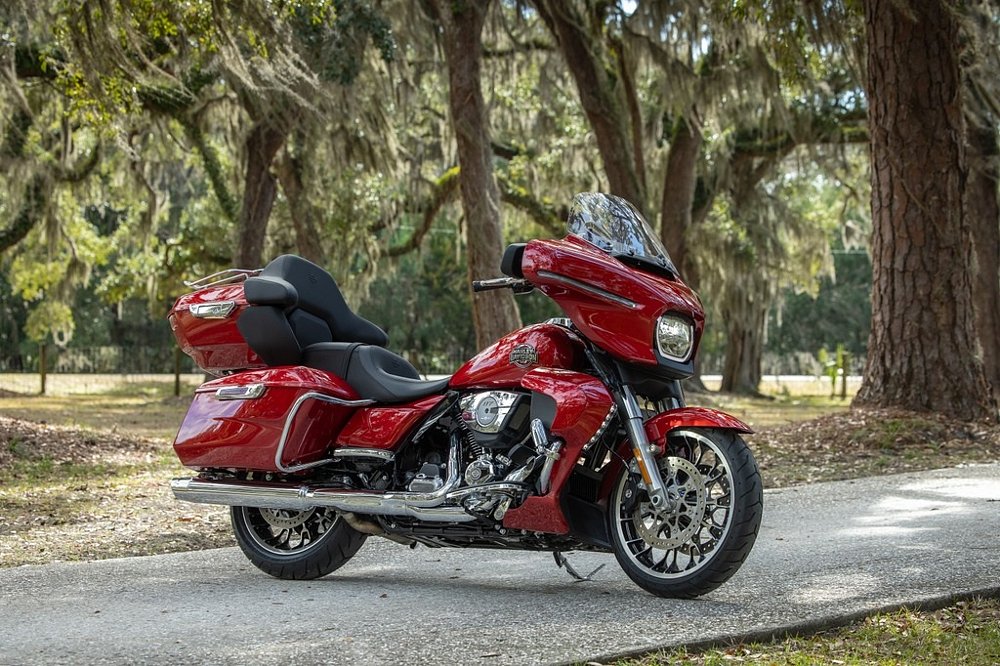
Introducing the Road Glide Limited and Street Glide Limited
To the uninitiated, the Road Glide and Street Glide names are similar and, other than the fairing design and mounting, so are the bikes, which can lead to some confusion. So let's take a moment to discuss them.
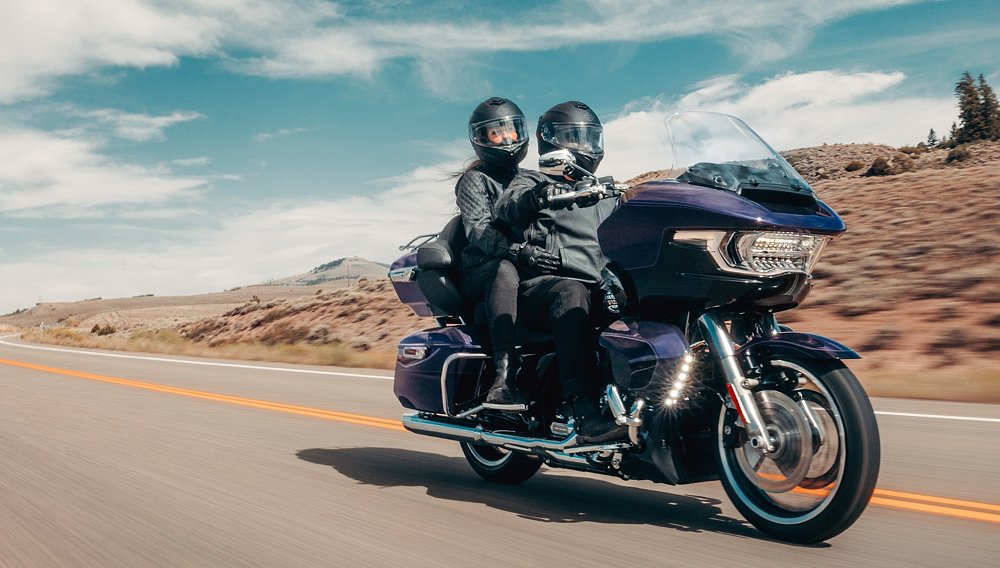
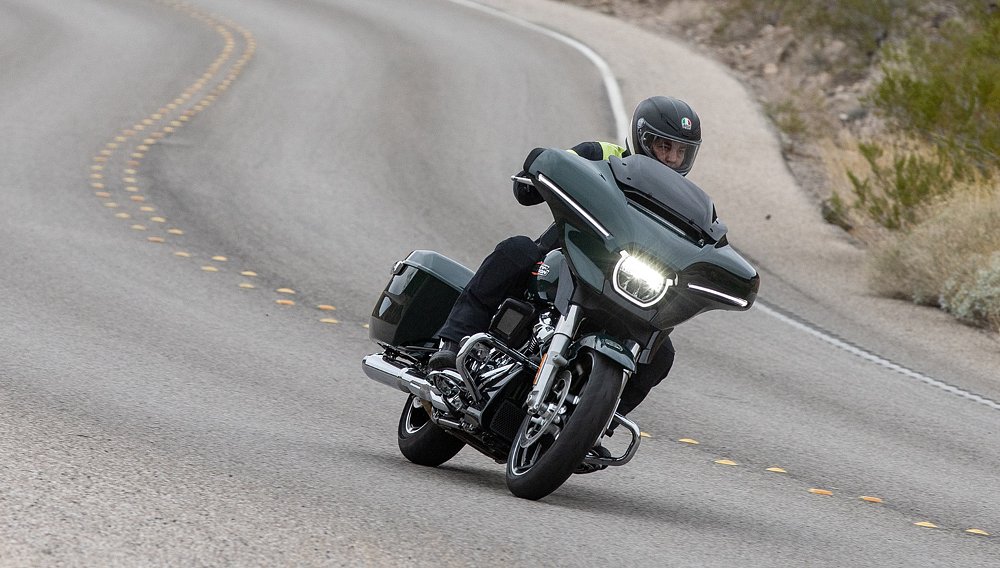
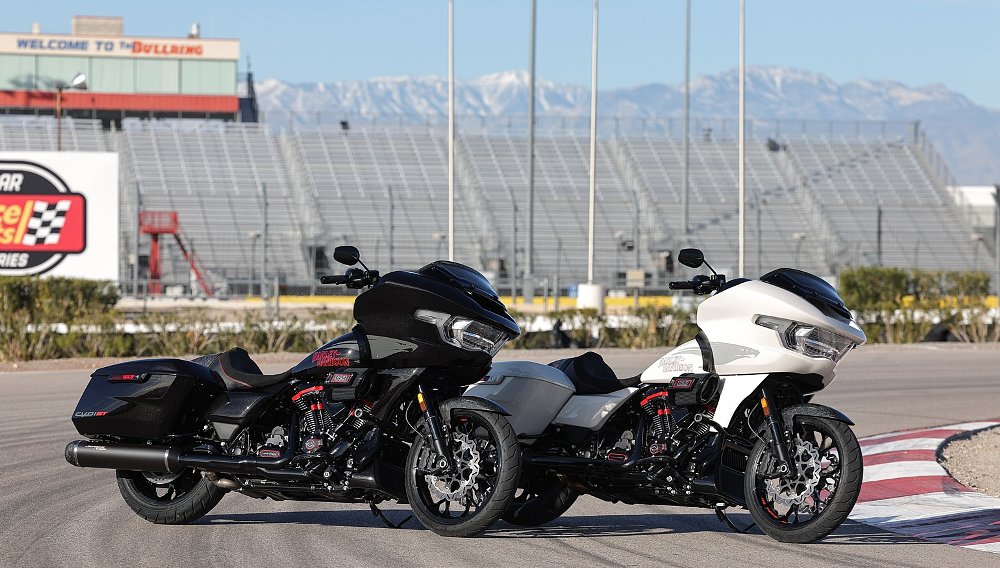
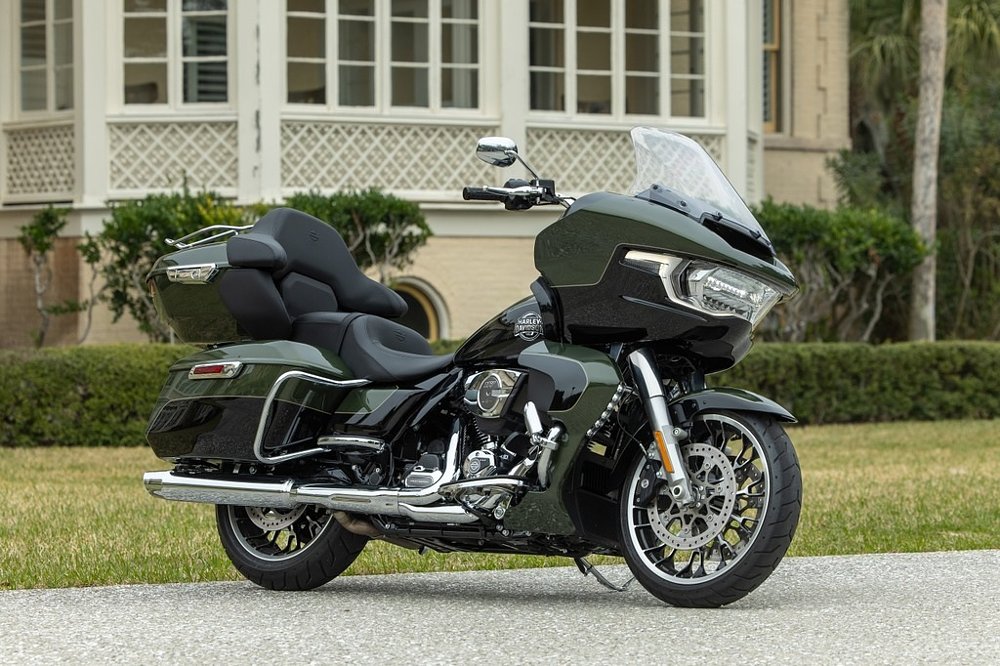
Weighing in at just over 900 pounds (Road Glide) and just under 900 pounds (Street Glide), respectively, both of these bikes are big and heavy, but slightly lighter than previous year models (by 13 pounds for the Road Glide, and 24 pounds for the Street Glide). Both are based on Harley's proven touring chassis, sharing the same powertrain and transmission. The main difference between a Road Glide (first introduced in 1998) and a Street Glide (which has been around in one form or another since the 1965 Electra Glide) is the design and mounting of the fairing. The Road Glide features the more aggressive and streamlined "sharknose" fairing, mounted directly to the bike's frame. The Street Glide, the more traditional-looking of the two, features the fork-mounted "batwing" fairing.
Sit on these motorcycles and swing the handlebar left to right. The frame-mounted Road Glide fairing is stationary while the Street Glide's fairing follows the arc of the handlebar. If, like me, you are used to the more traditional fork-mounted windshield or fairing, it might take a bit to get comfortable with the frame-mounted fairing and feel of the Road Glide. The functionality of the frame-mounted fairing, however, is the reason that the Road Glide is the basis for the King of the Baggers race bike.
For more on the changes for 2026, see Dustin's first look article. After spending more than 500 miles in the saddle of these baggers, what I can add to the conversation that's new is what they're like to ride. I can say both are solid performers for such large, long-distance touring bikes.
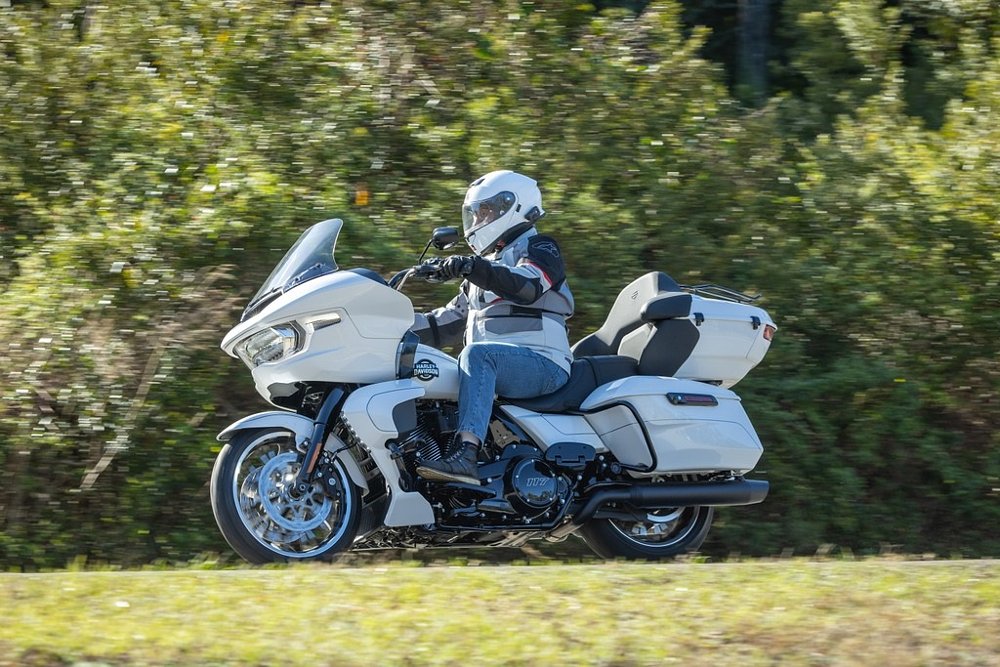
Riding the Limiteds: Comfort and ergonomics
Let's start with ergonomics, which are heavily influenced by the placement and relationship of three components: the handlebar, seat, and the floorboards (or foot pegs).
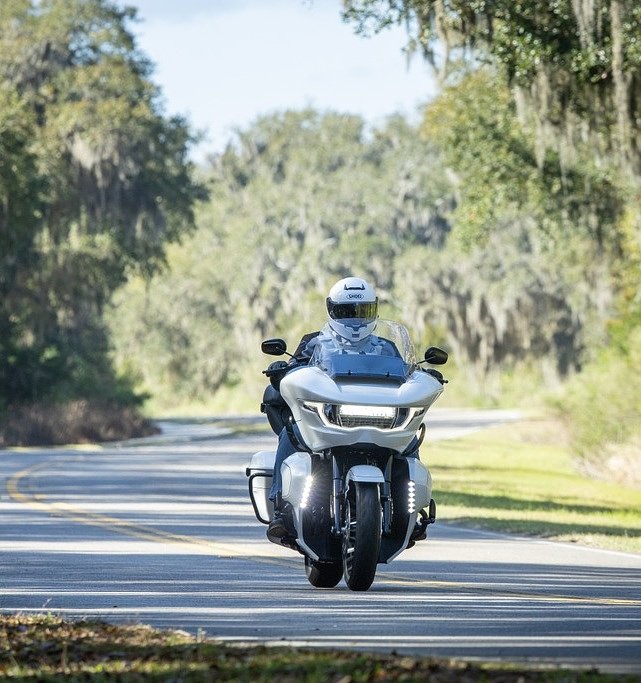
The stock handlebars on both these bikes are mounted in such a way that you can raise or lower them a few inches by simply loosening the mounting hardware and rotating the bar up or down to suit your personal preference. At a touch under six feet tall, I found the stock bar placement on both bikes was fine for me.
The seat got an upgrade this year for greater comfort and offers adjustable heating front and rear. As expected on a bike of this quality, the grips are also electrically heated, a feature greatly welcomed on chilly morning rides. I must admit that both models offered good comfort and support for a couple of back-to-back all-day rides — even for this 71-year old rider.
The floorboards were OK, but even with a size 10.5 boot, I would have preferred another inch or so in width for foot placement and comfort. And, if it was my bike, I would adjust the toe-heel shifter to better fit my riding boots and riding style. Specifically, the toe part of the shifter was higher than I'd prefer for a comfortable, smooth shift. Easy fix.
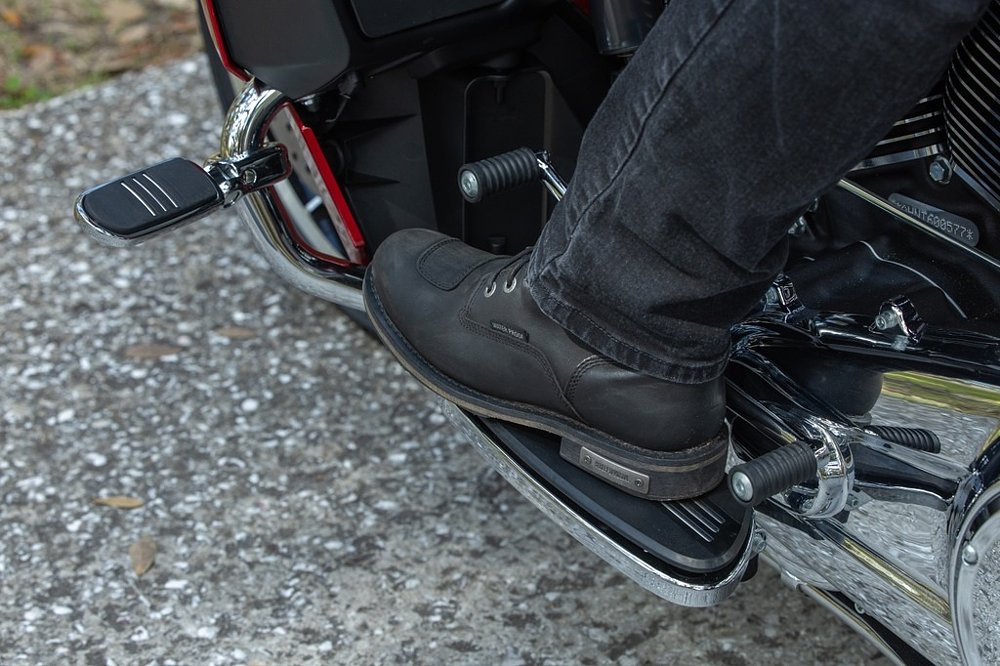
Fortunately, not only are there lots of great bikes to choose from today to find one that fits you, but you also have nearly unlimited opportunities to customize the bike to your comfort and tastes, thanks to Harley-Davidson's own expansive line of accessories and the huge supply of aftermarket parts. That's good, because if you are not comfortable on a motorcycle, you are obviously not likely to ride it much.
Speaking of getting comfortable, it's been a few years since I last rode bikes this big, so I needed a little time to get physically comfortable on them. But I quickly settled in and found them both to be quite manageable, especially as I could easily flat-foot both at red lights and stops. While the more modern-looking Road Glide is slightly heavier than the Street Glide, it felt a little lighter, and a bit easier to navigate through low-speed turns and tight sweepers. In fact, at or above parking lot speeds, they both feel almost nimble, if you could apply that term to a roughly 900-pound two-wheeler.
I have often wondered why airflow management — for both the rider and the engine — does not get more attention on long-haul touring bikes. Most models leave the rider with few, if any options, for functional adjustment. Harley's design engineers clearly agree with me as they have incorporated a number of easy vents and adjustments to manage the airflow through the fairing and elsewhere to maintain comfort, both in hot and cold weather.
Riding the Limiteds: Safety features
As previously noted, both models are large and heavy bikes, even for riders with appropriate skills and abilities. They come equipped with ABS-enabled linked triple disc brakes and traction control, both of which take lean angle into account, and easy preload adjustment on the rear suspension to match riding conditions and cargo.
Unfortunately, we have all heard one of the most common excuses from drivers involved in motorcycle accidents: "I never saw the motorcycle." While there is unfortunately nothing we can do about texting, DUI, or otherwise distracted drivers on the road, we can make ourselves more visible and obvious. With that in mind, I applaud Harley for increasing the visibility of these bikes with a complimentary look and design.
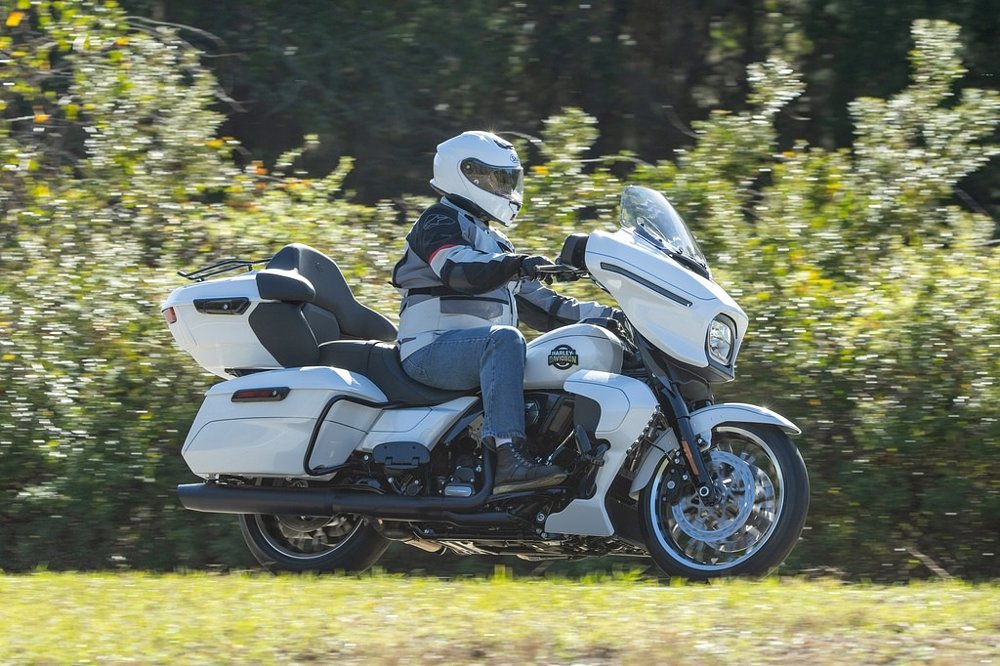
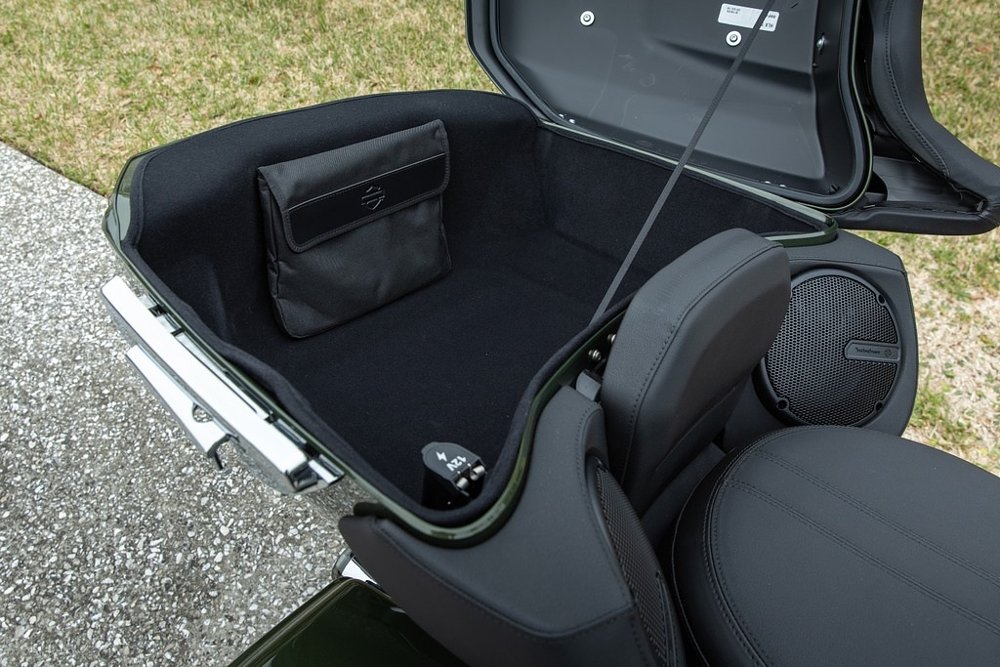
The batwing fairing on the Street Glide was updated for the 2024 model year and features elongated eyebrow turn signals built into the fairing. Both of the 2026 Limited models also feature a clean and simple strip of LED fog lights down the front of the lowers, greatly increasing visibility without looking out of place or detracting from the clean overall design. Both models are also now more obvious from the rear, thanks to the wide stripe LED brake light reaching from one side of the newly designed Tour-Pak to the other. The simple functionality of these new lighting designs make me wonder how long it will be before other manufacturers follow suit.
Riding the Limiteds: Drivetrain and tech
The heart of a motorcycle has always been the engine, and today's Big Twin Harleys are powered by the tried-and-true Milwaukee-Eight 117. But this year, Harley has moved on from the recent Rushmore technology to a new Long Haul Architecture, and the Limiteds are powered by the improved VVT (Variable Valve Timing) version of the Milwaukee-Eight. Prior to these 2026 model year Limiteds, if you wanted VVT, you had to step up to the premium-priced CVO models.
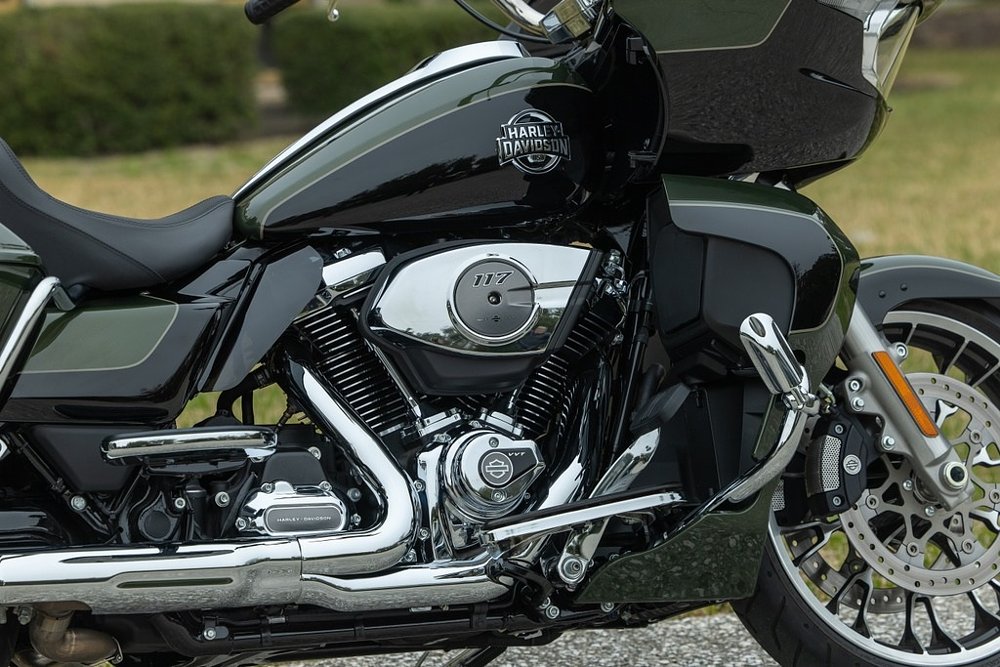
The VVT engine delivers plenty of on-demand torque, especially at low and mid range, where Harleys are ridden most of the time. A less obvious improvement this year is the new "center cooling" system in the cylinder heads that reduces heat build up in and around the combustion chamber and exhaust valves.
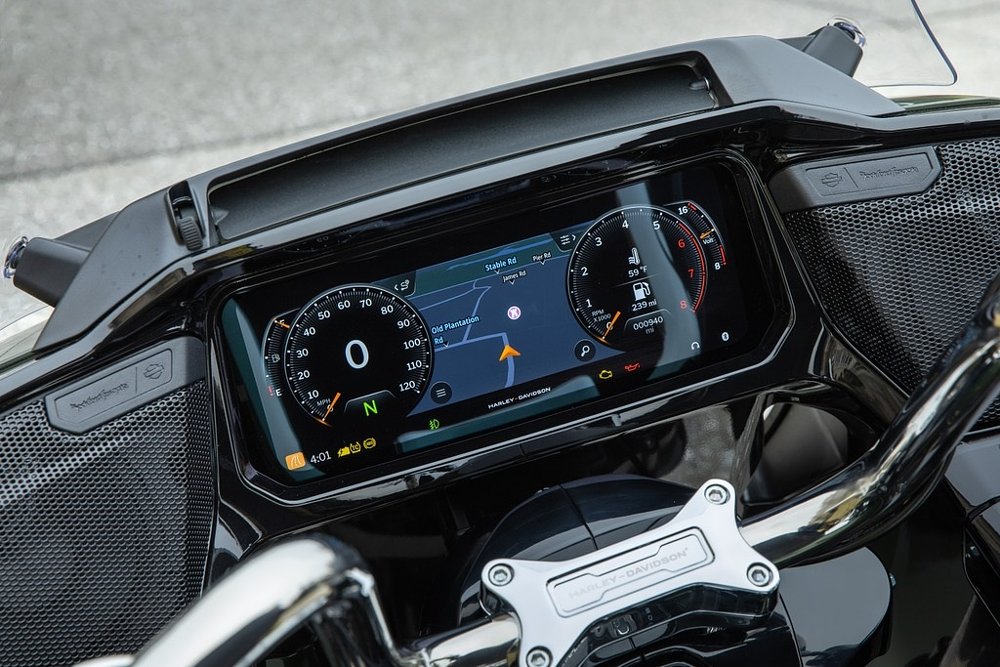
More obvious is the large Skyline OS infotainment (who came up with that name?) system. Along with the usual standard options, it offers Apple CarPlay, on-board navigation, and much more. To combat today's tech-driven energy vampires, Harley has upgraded the charging system 21% to handle the growing power drain from the stock technology as well as whatever gadgets owners might wish to add. While many riders are happy exploring the capabilities and limits of the on-board tech, I prefer fewer distractions while riding. On the two-day review ride, I focused on the actual ride experience of the machines, limiting my tech curiosity mostly to toggling between various modes (Road, Sport, Rain, and Custom) and how the radio worked.
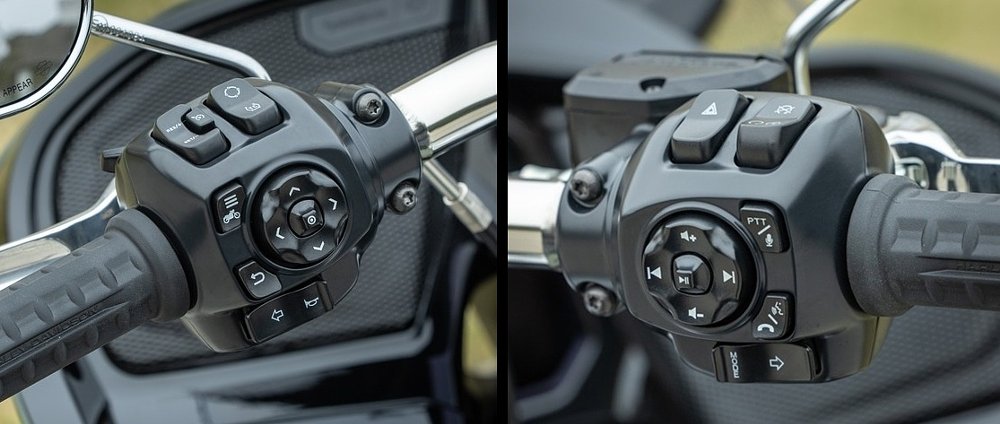
The larger and heavier the machine, the greater the demands on suspension and braking. The triple disc brakes (dual floating rotors up front and a single solid-mount out back) feature an electronic-linked system and ABS, which proved to be more than sufficient for most real-world experiences. We rode over a wide range of conditions, and I found the suspension handled every road surface we encountered from interstate highway to ribbed bridge surfaces and back country roads. In fact, I found the brakes and suspension confidence-inspiring as delivered. If the rear suspension pre-load was too much or too little, there is a simple knob that allows you to quickly and easily adjust by hand.
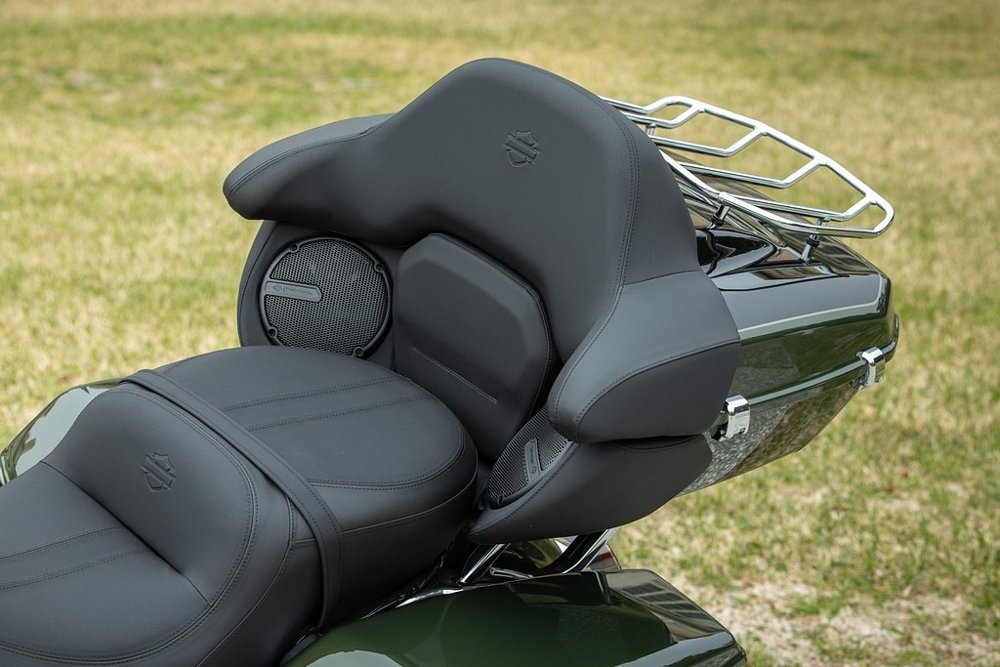
All of these features offer a comfortable, enjoyable, and easy ride. Thanks to the wide availability of options for customizing, it's no wonder baggers have become so popular, whether riders are looking for long-distance luxury with something like these two new Limited models or chasing a little more speed with one of the performance-focused bagger models.
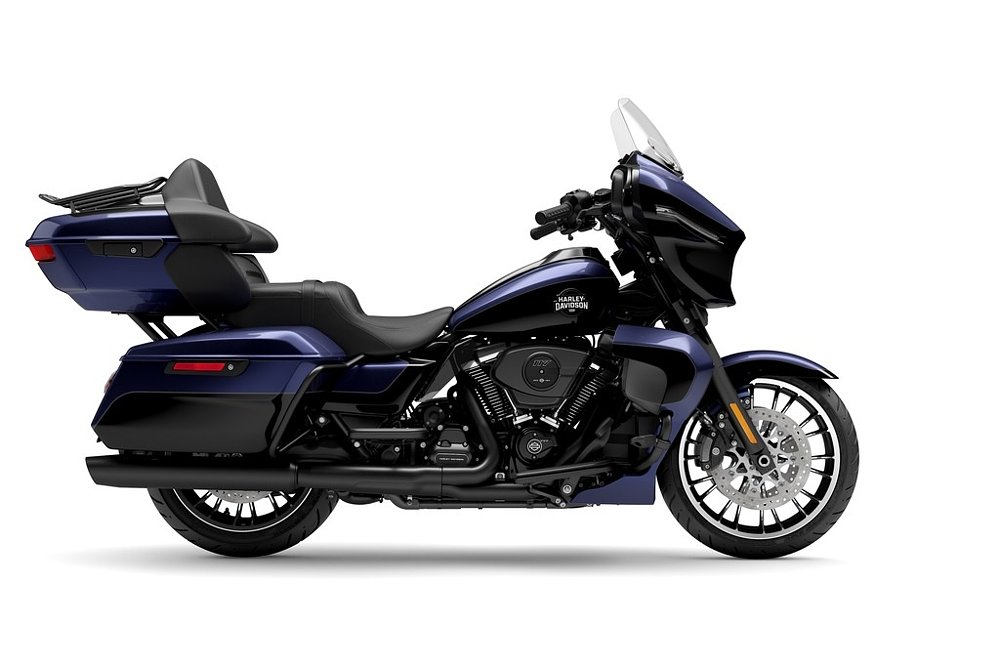
Road Glide or Street Glide?
So, which of the two would I choose as my Great American Freedom Machine?
Hard for me to say. From a mechanical and performance side, both are great machines and offer features far beyond what I need in order to enjoy the long-haul ride. As for looks, I am a fan of vintage motorcycles, so I appreciate the traditional look of the batwing fairing. But, I must admit, after a day on the Road Glide Limited, I find the sharknose look is growing on me.
If you get the chance to put some miles on them both and still can't make up your mind, ride past a big plate glass window and look at your reflection. Which one do you think you look better on? Sometimes it is just that simple.
| 2026 Harley-Davidson Street Glide Limited | 2026 Harley-Davidson Road Glide Limited | |
|---|---|---|
| Price (MSRP) | $32,999 | $32,999 |
| Engine | 1,917 cc (117 ci) air-and-liquid-cooled, eight-valve V-twin Milwaukee-Eight® VVT 117 | |
|
Transmission, final drive |
Six-speed, belt | |
| Claimed horsepower | 106 @ 4,600 rpm | |
| Claimed torque | 131 foot-pounds @ 3,500 rpm | |
| Frame | Steel tubular | |
| Front suspension | 49 mm Dual Bending Valve fork; 4.6 inches of travel | |
| Rear suspension | Dual shocks adjustable for preload (remote adjustment left, threaded adjustment right); 3.0 inches of travel | |
| Front brake | Dual four-piston calipers, 320 mm (12.6-inch) discs with ABS | |
| Rear brake | Single-piston caliper, 300 mm (11.8-inch) disc with ABS | |
| Rake, trail | 26 degrees, 6.7 inches | 26 degrees, 6.8 inches |
| Wheelbase | 64 inches | |
| Seat height (unladen) | 28.1 inches | 29.0 inches |
| Fuel capacity | 6.0 gallons | |
| Tires | Dunlop D408F 130/60B19 front, D407T 180/55B18 rear | |
| Claimed weight | 893 pounds | 919 pounds |
| Available | Now | |
| Warranty | 24 months | |
| More info | harley-davidson.com | harley-davidson.com |