




 Riders Preferred Membership
 Shop by Vehicle
 Track Order
 Contact Us
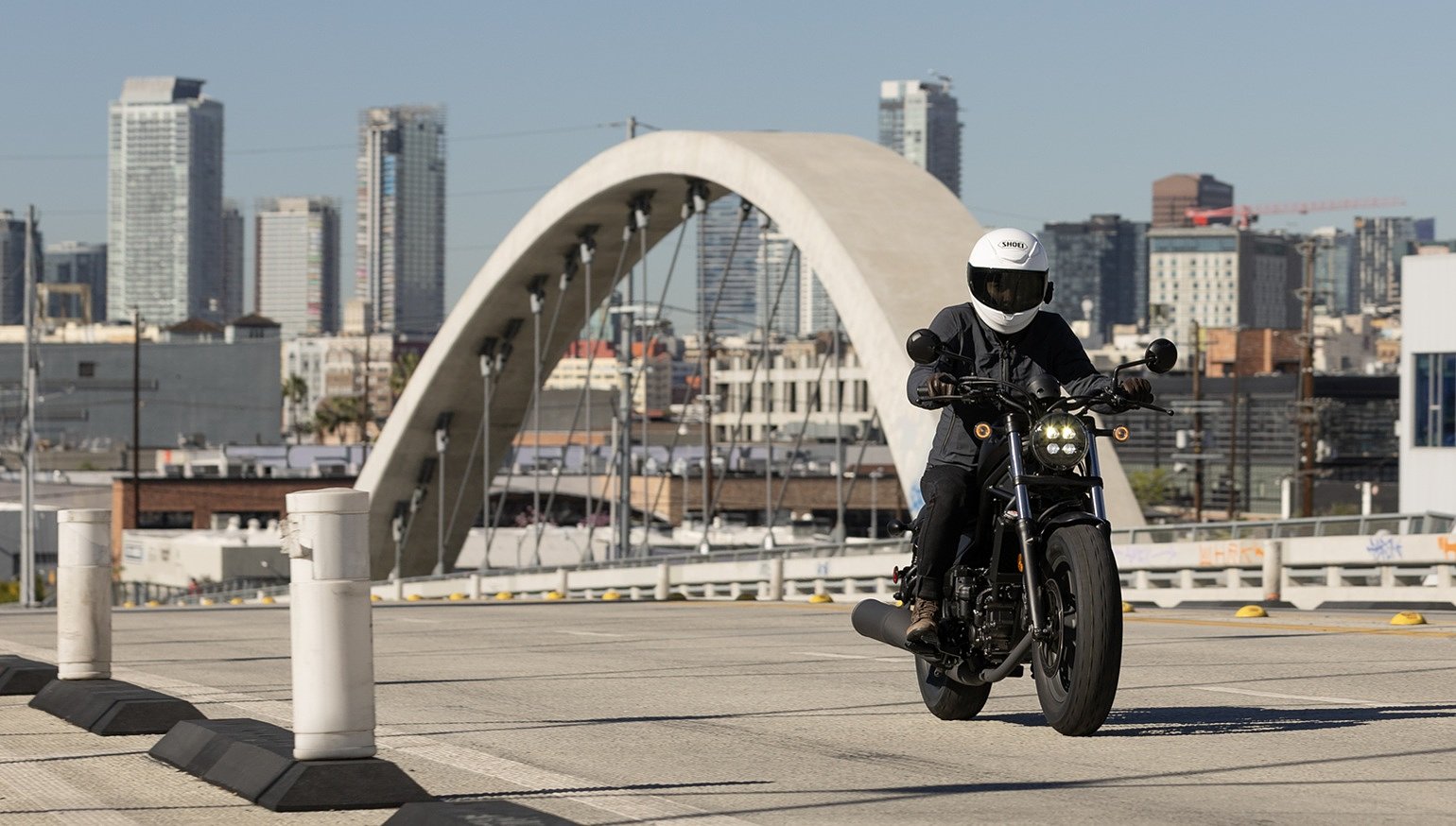
Everyone on two wheels knows the feeling of stalling out at a traffic light. A click and a jerk and the immediate urge to hang your head and slump your shoulders. For some, this is an unavoidable rite of passage for any aspiring motorcyclist. For others, an unfortunate experience they would prefer to opt out of. So what if you could?
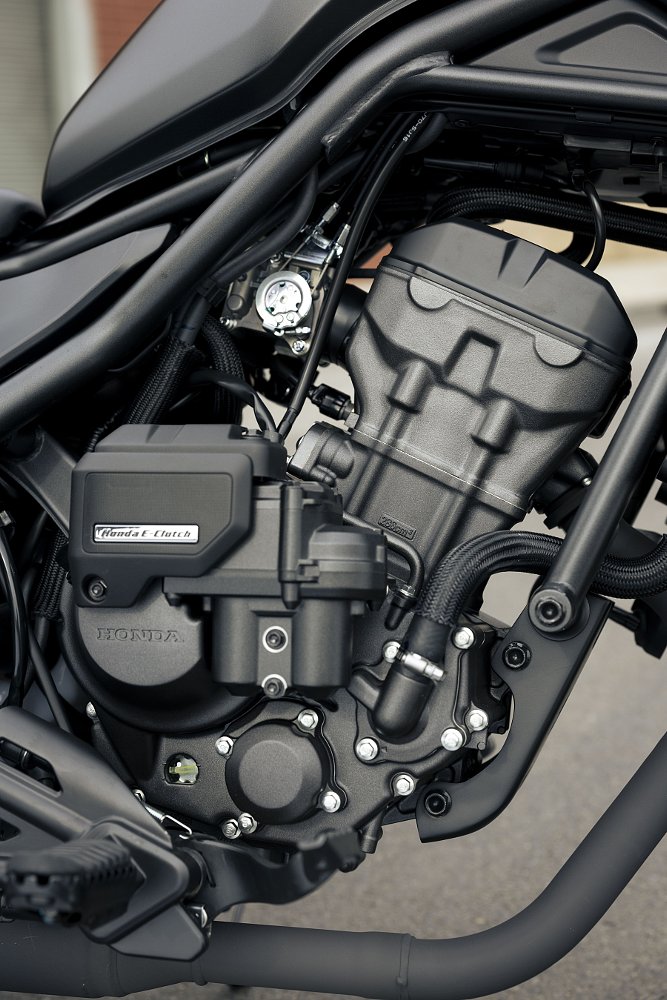
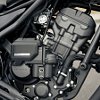
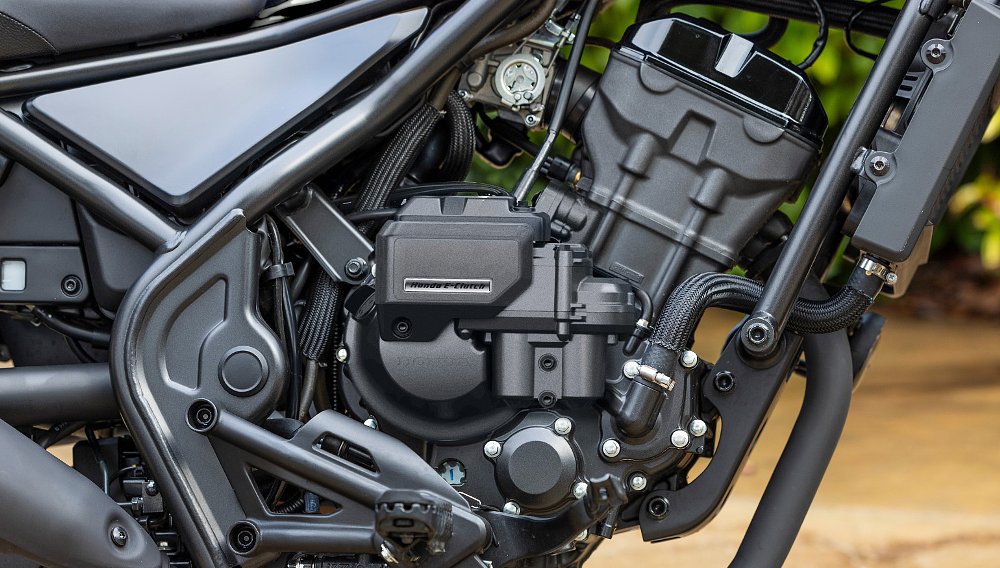
Enter the intricacies of the Honda E-Clutch. For the experienced motorcyclist, this may feel like Honda is attempting to reinvent the wheel, but for the next generation of new motorcyclists? This technology paired with the light weight and low seat of the Rebel 300 feels like finding the cheat code to the world of motorcycling.
For those who want to dive directly into the tech and then follow up here for the "thoughts and opinions" portion, Dustin Wheelen wrote an in-depth article about the Honda E-Clutch system. I'm going to attempt to make it make sense for those of you who don't have a storied history of arguing "But why?" in the comments section of Common Tread, especially taking care to speak to those who are considering the Honda Rebel 300 E-Clutch as their first new motorcycle purchase.
Making it easy to get started, in more ways than one
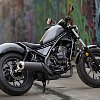
Let's start with the basics. The Honda Rebel family has long been the gold standard for entry-level motorcycles, specifically ones with a low seat height. Measuring at 27.2 inches, the Rebel 300 has one of the lowest stock seat heights on the market, and paired with the 379-pound weight, promises an incredibly easy-to-manage bike for newer or smaller riders. I am about five feet, four inches tall with an inseam of 29 inches, and I could plant both feet on the ground with plenty of bend in my knees. While this specific experience was a first for me as a shorter rider, the joy I discovered when I was able to back the bike up, uphill on the side of the road without dismounting, was invigorating. I've simply never been able to do that on any personal bike I've owned, and I immediately thought it was a mark in the "confidence-inspiring" column for the Rebel 300.
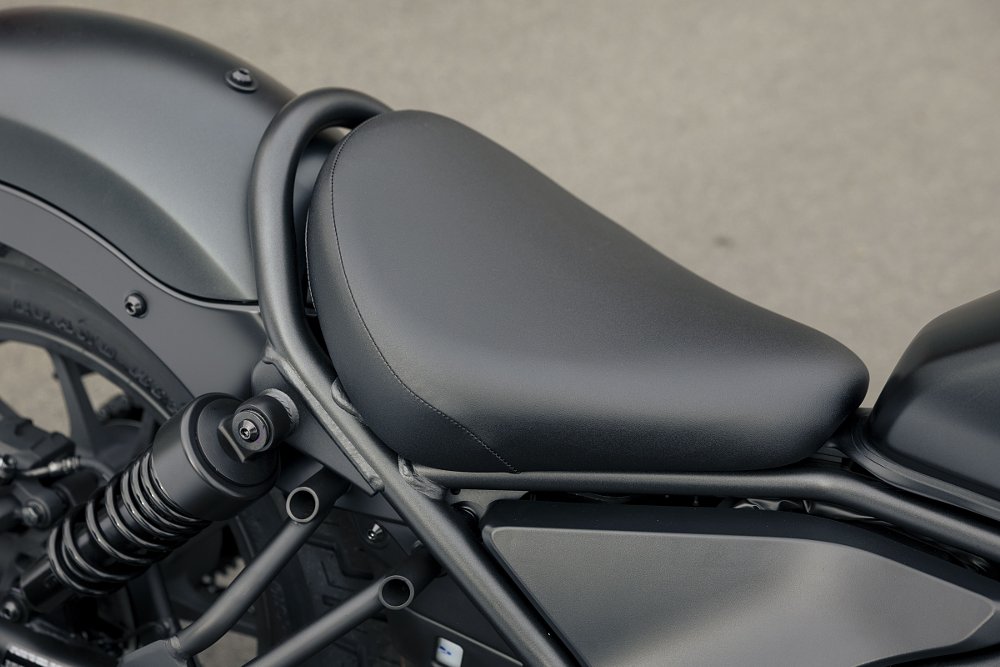
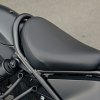
The seat itself, a sculpted solo seat that narrowed to the width of the frame in front, was unobtrusive at stops and in mixed traffic, but didn't leave much room to move or adjust if riding for a longer period of time. I felt that there was a bit of vibration transfer from the frame, and at the end of the 55 miles of the press test, I was relieved to hop off and stretch.
We made a joke at the start of the day that Honda must have a lot of trust in the Rebel's suspension to start and end the ride in downtown Los Angeles, known for potholes that can take even the toughest fresh tire out of commission. The 41 mm front fork and dual rear suspension did a decent job at soaking up everything the rough and tumble L.A. roads had to throw at us, though I did notice that attempting any speed bump crossing at a solid clip would have me airborne unless I took some care to supplement the suspension by standing up. The rear suspension has 3.7 inches of travel and the preload can be adjusted by hand, and I would be interested in seeing if that made a difference while doing some more spirited riding, but for the around-town rider, the difference may be negligible.
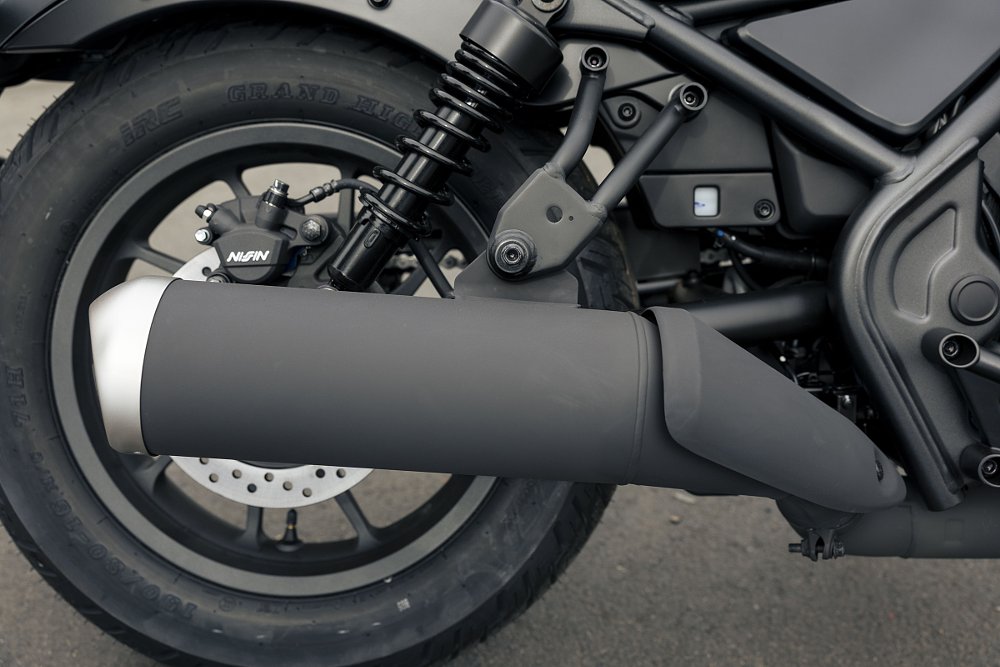
ABS comes standard on the 2026 Rebel 300 E-Clutch, included with both the 296 mm rotor up front and 240 mm rotor on the back with single hydraulic calipers on both. I felt that the front brakes were in need of a bit more bite. They felt fairly soft, even when pulling the lever nearly to the grip.
The 3.0-gallon gas tank offers a claimed range of 175 to 200 miles, depending on pace and speed presumably, and the digital fuel gauge on the dash denoted 3/4th of a tank right around the 45-mile range. All signs point to accuracy, and the multiple trip-meter options on the dash make it easy to track your average mileage and keep a close eye on your range.
While our highway riding didn't afford the chance to reach a top speed, I never felt like there was a lag in power while working up through the gears. I believe the fastest that I caught on the digital speedometer was about 64 mph in sixth gear, and felt that the throttle had plenty more to give. Personally, I would take this on California freeways without a second thought, though I would take care to stay in the slower lanes and keep an eye on my mirrors. I would also advise newer riders to try to find some empty stretches away from the highway to get familiar with maintaining a high speed before throwing the chaos that is freeway drivers into the mix.
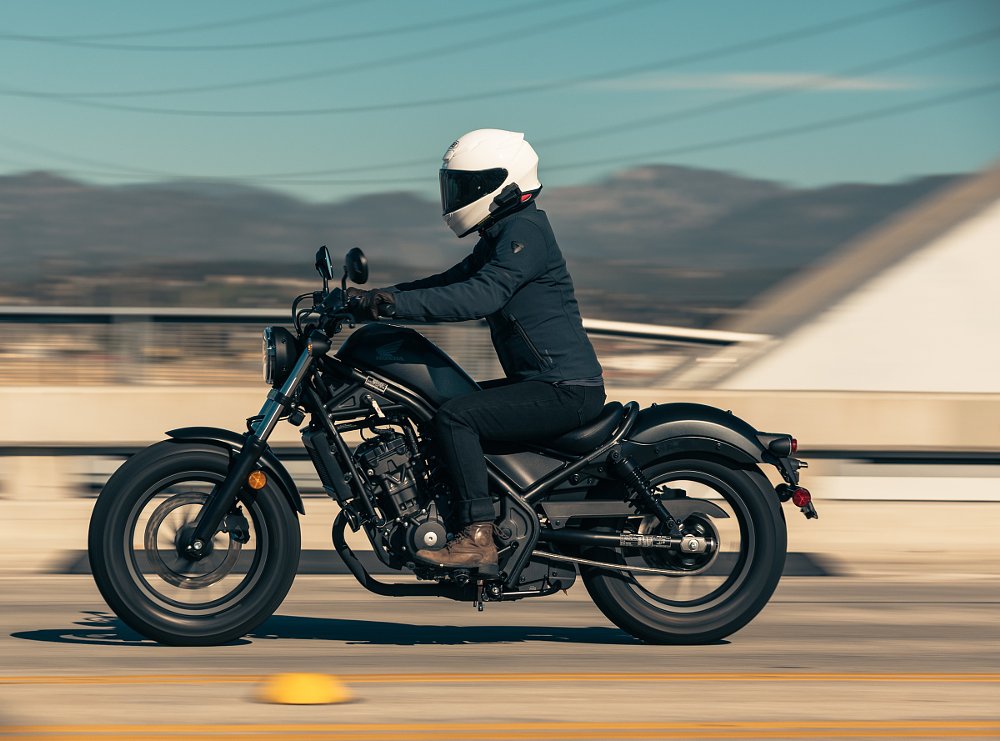
I wouldn't suggest choosing the Honda Rebel 300 for a cross-country trip, not only because of its size and speed, but also because the seat doesn't offer much room to move around and change positions to get comfortable. But shorter stints on the highway aren't an issue, and if you're on backroads I suppose there's no limit to distance if you're determined.
The "E" in E-Clutch is for "Everyone"
While this bike is being pitched wholeheartedly at new riders, I'd venture to say that the experienced but recently absent rider returning to motorcycling would also delight in the ease of use. To first engage the E-Clutch while in neutral at a stop, you simply click the foot shifter pedal down one notch. The dash denotes first gear, a small green A indicator lights up, and there is a slightly perceptible click and shift. You'd almost miss it if you weren't looking specifically for it.
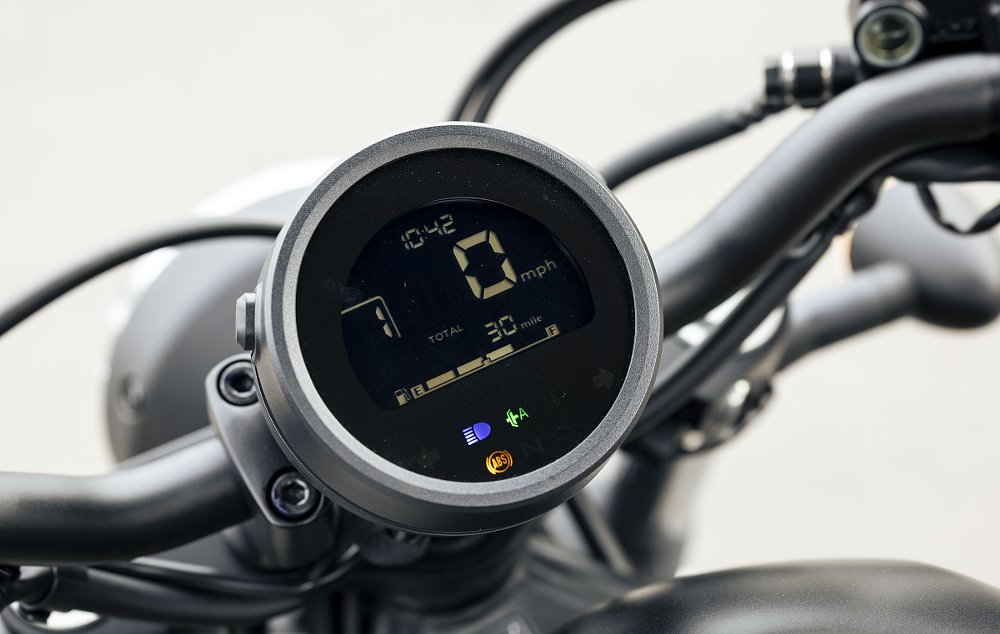
It took no time at all to pick up the subtle twist needed to push off from a stop in first gear, and in more stop-and-go traffic, second gear was perfect for coasting to an almost-stop and taking off again. The beauty of the E-Clutch system is that you can utilize different features almost simultaneously: taking off from a stop in first with instant power, clutchless shifting up to second and then third to get up to speed, then easing in the clutch to coast into a corner and back to third then fourth with a tap up to the shifter. Anyone familiar with a quickshifter will adapt to the up and down clutchless shifting just fine, and those who have spent any time aboard an electric bicycle or fully electric motorcycle will be able to calm their flapping left hand and acclimate to the deceleration of the engine braking.
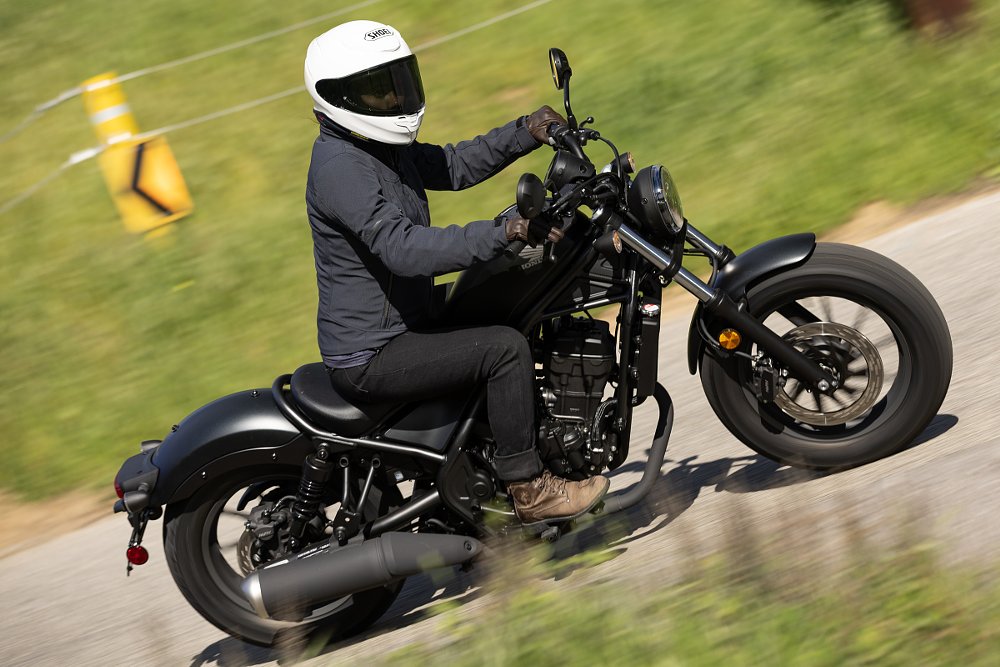
The one thing that continued to feel foreign was braking without pulling in the clutch, especially in the higher gears. The engine braking will slow down the bike with the E-Clutch engaged, the dash will indicate the need for downshift with flashing arrows to help match the gear to the speed, but relying on engine braking alone won't be enough to stop the bike with any quickness. So letting off the throttle, feeling the engine braking kick in, then also applying brakes on top of that while not touching the clutch — well, it feels like going against the grain.
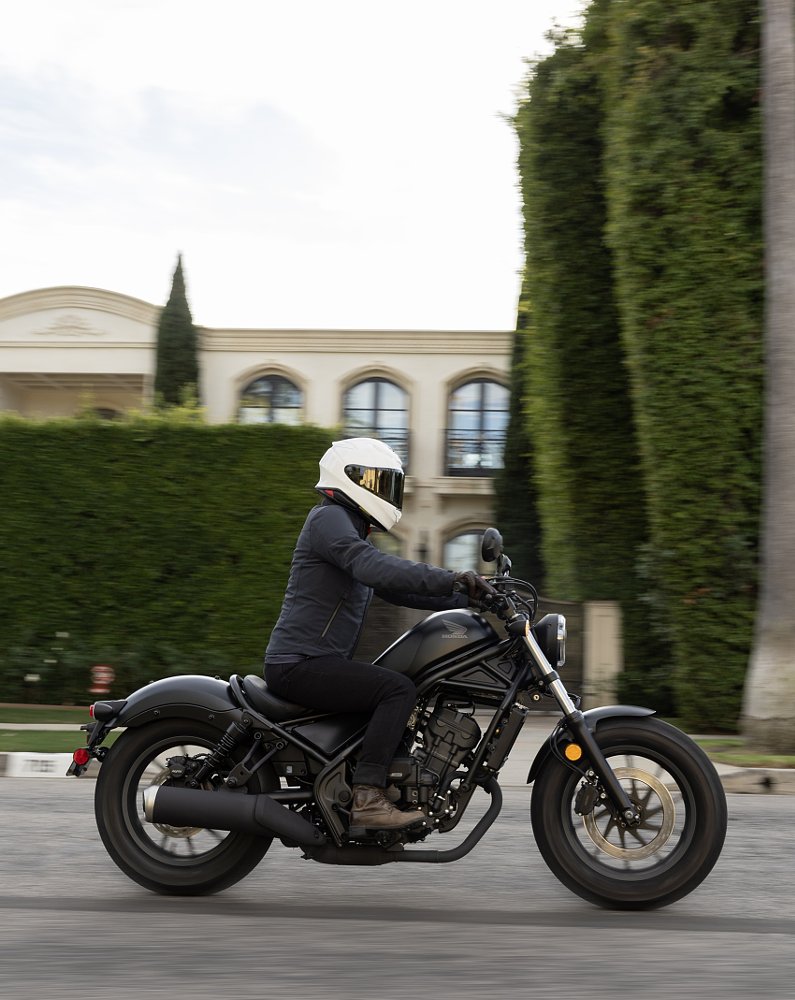
We glided through an average L.A. lane-splitting situation with ease. Third gear was the shining star of the lane-splitting experience, with just enough oomph to bob and weave through moving traffic, yet left enough room to ease to a crawl when the aisle got a bit tight and the cars moving around us slowed to a stop. Overall, I felt that second gear was the perfect "slow down and stop" choice when using the E-Clutch, and I only ever clicked down into first after coming to a complete stop. Notably, coasting to a near stop in second gear and subsequently taking off from that same gear position was smooth and without any sort of jerky response or strain from the engine.
While noting these features may seem redundant to a seasoned motorcyclist, let me remind the averaged experienced reader that this motorcycle is geared, designed, and marketed to the newest members of our community. Things that may be "old hat" to the masses who peruse Common Tread are instead shining new "Aha!" moments to those who have not yet taken the leap to the two-wheeled world. To those readers specifically, I'd love to point out that while this bike has plenty of ease and soft-starts and forgiving landings, you can absolutely hone your skills aboard this little Honda. The bike can be ridden like a standard motorcycle, as if the E-Clutch wasn't there, with no changes or adjustment to the bike itself.
We arrive at another soft landing with the price. With a suggested MSRP of $5,349, the 2026 Honda Rebel 300 E-Clutch is just right for a brand-new but entry-level motorcycle. Currently available on Honda showroom floors, all 2026 Rebel 300s have both the E-Clutch and ABS as standard. I personally feel that this bike is going to be a natural next step for the riders who are currently piloting electric bikes around their neighborhood streets.
The E-Clutch technology is also found on a few other models within Honda's U.S. lineup — the CB650R, the CBR650R and the CB750 Hornet — and I would expect to see it pop up in a few other places over the next few years, as it already has in Europe.
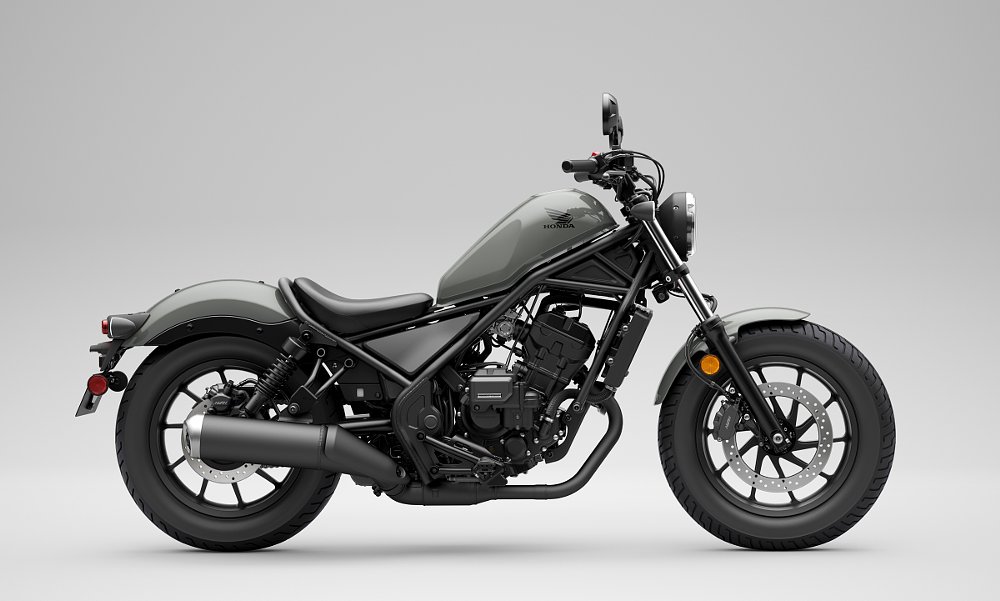
In an industry long plagued by a "That's how it's always been" attitude, I love that Honda has stepped into the role of "We need to work on that" to make motorcycling easier and more accessible.
| 2026 Honda Rebel 300 E-Clutch | |
|---|---|
| Price (MSRP) | $5,349 |
| Engine | 286 cc, liquid-cooled, four-valve, single |
|
Transmission, final drive |
Six-speed with E-Clutch, chain |
| Claimed horsepower | NA |
| Claimed torque | NA |
| Frame | Steel trellis |
| Front suspension | 41 mm fork; 5.5 inches of travel |
| Rear suspension | Dual shocks, adjustable for preload; 3.7 inches of travel |
| Front brake | Single two-piston caliper, 296 mm disc, with ABS |
| Rear brake | Single two-piston caliper, 240 mm disc, with ABS |
| Rake, trail | 28 degrees, 4.3 inches |
| Wheelbase | 58.7 inches |
| Seat height | 27.2 inches |
| Fuel capacity | 3.0 gallons |
| Tires | Dunlop 130/90-16 front, 150/80-16 rear |
| Claimed weight | 379 pounds wet |
| Available | Now |
| Warranty | 12 months |
| More info | powersports.honda.com |