





 Riders Preferred Membership
 Shop by Vehicle
 Track Order
 Contact Us
“Based on two words separated by 16 others in Section1702(a)(1)(B) of IEEPA —“regulate” and “importation”— the President asserts the independent power to impose tariffs on imports from any country, of any product, at any rate, for any amount of time. Those words cannot bear such weight.”
That’s how Chief Justice John Roberts explained the Supreme Court’s 6-3 ruling to strike down President Trump's use of the International Emergency Economic Powers Act (IEEPA) to enforce his “Liberation Day” tariffs.
Enacted in 1977, IEEPA grants the President wide-ranging economic powers in the event of a national emergency. The problem is that the administration can’t justify the sweeping nature of its reciprocal tariffs under the act, the Supreme Court ruled.
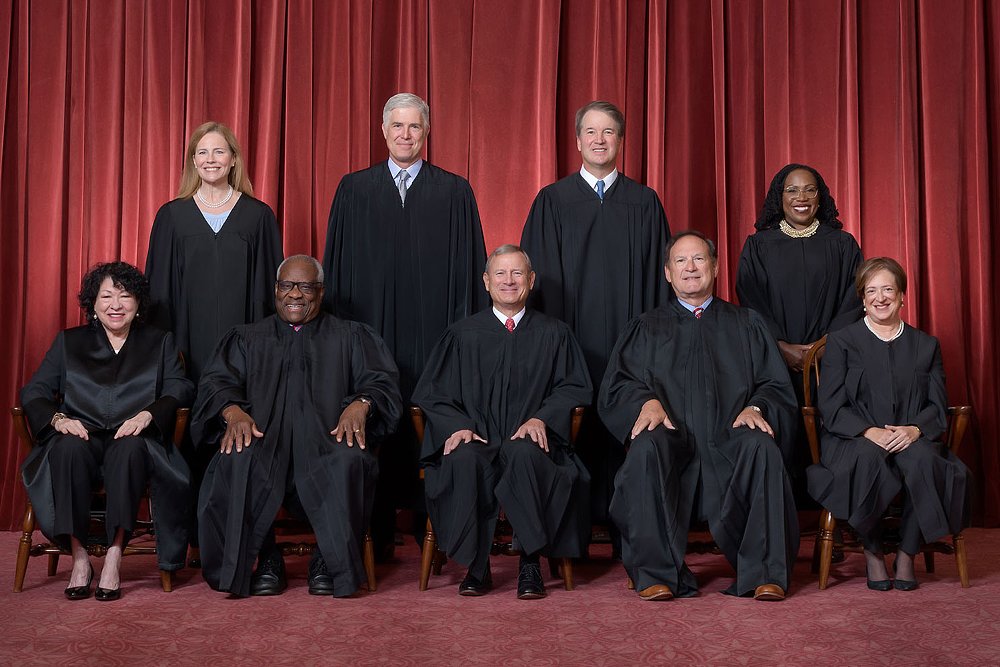
“The Government thus concedes, as it must, that the President enjoys no inherent authority to impose tariffs during peacetime,” Roberts continued in the majority opinion. “The United States, after all, is not at war with every nation in the world.”
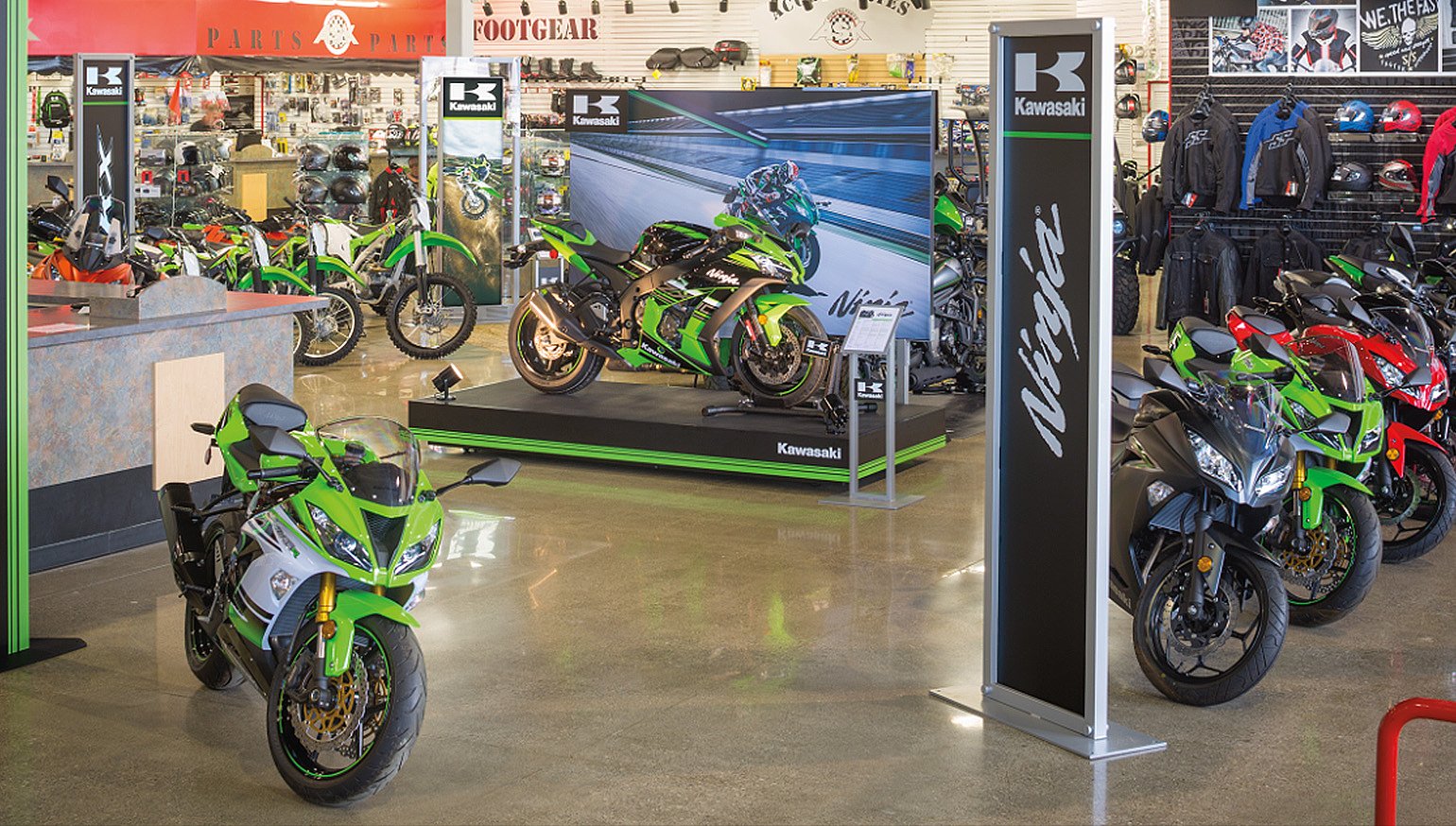
Presumably, the Supreme Court ruling was a welcome development for motorcycle manufacturers. That doesn't mean, however, that OEMs aren’t continuing to grapple with the costs and complexities of U.S. trade policy.
Pushing through
In response to India's continued purchase of Russian oil, President Trump increased taxes on goods imported from the country to 50% in 2025. In February, after further negotiations with India, the Trump administration cut tariffs on Indian goods to 18% following the suspension of those oil purchases. Throughout those constantly shifting developments, Royal Enfield’s dedication to the U.S. market never wavered.
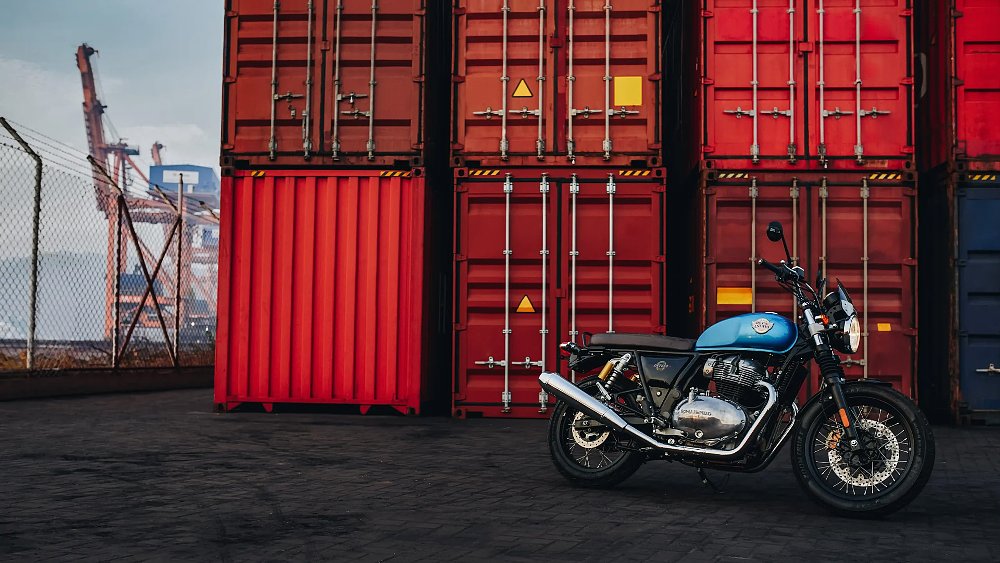
Ross Clifford, Business Head - Americas for Royal Enfield, said the company produced more than one million motorcycles in both 2024 and 2025, and now operates in more than 80 countries. As a part of its broader global expansion process, Enfield has made a concerted effort to grow in the United States. While the tariff situation has complicated those pursuits, Royal Enfield is still committed to the U.S. market long term.
"We've absorbed that," Clifford said of the costs of tariffs imposed to date. "We will remain price competitive."
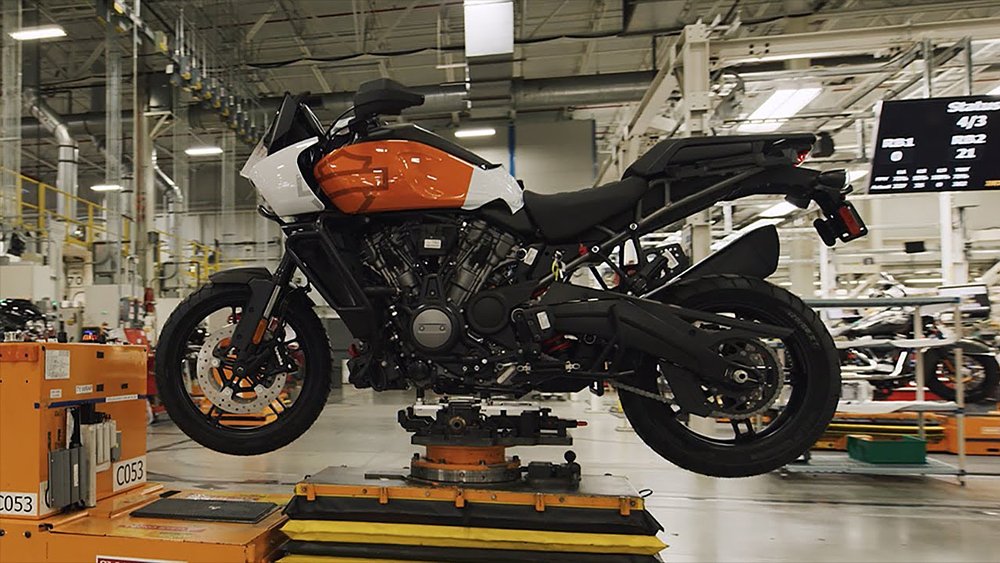
Other manufacturers are adjusting to tariffs in their own way. Harley-Davidson, for example, reported in its fourth-quarter and full-year 2025 financial report, that new and increased tariffs cost the Motor Company $67 million in 2025. It predicts those costs to rise to $75 million to $105 million in 2026. A significant chunk of that cost will be due to tariffs on imports from Thailand, which are projected at $20 million to $25 million. Harley-Davidson produces its Revolution-engine models in Thailand. Not all OEMs share H-D’s pessimistic outlook, however.
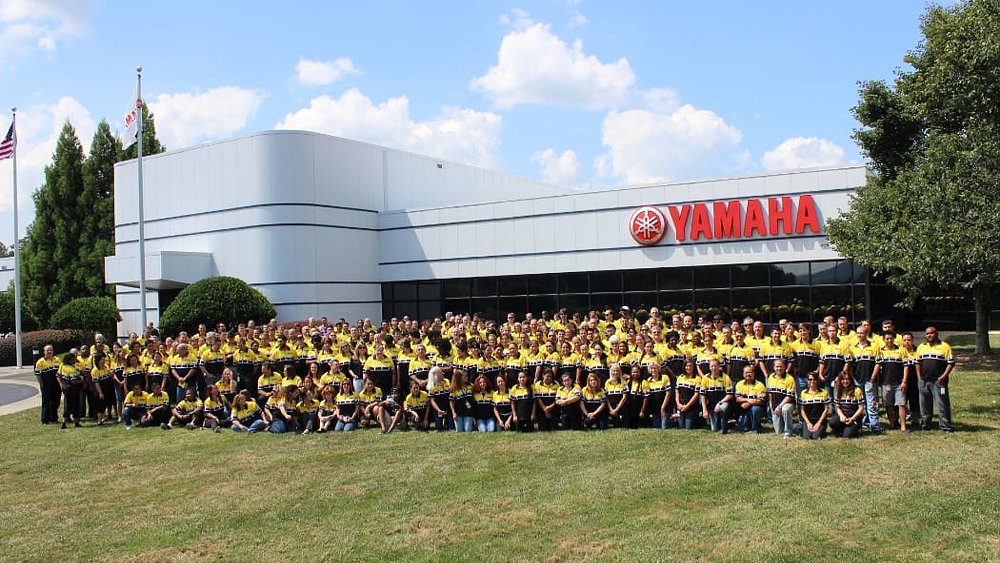
In its Consolidated Business Results for 2025, Yamaha noted that its “total unit sales and revenue were on par with the previous fiscal year.” While Team Blue reported sales increases in markets such as Japan, Indonesia, Thailand, and the Philippines, there was lower demand in the U.S. market (compared to the previous fiscal year). The brand partly attributed that to “tariffs enacted by the U.S.”
Still, Yamaha is projecting higher revenues and profits in 2026. Unfortunately, cost hikes might be one way the Iwata factory achieves those goals. In a slide from the Consolidated Business Results presentation, the company states that if “tariff impacts continue to grow,” it could “boost profitability via pricing strategies as well as cost cutting.”
Where it concerns tariffs, manufacturers are keeping all routes open. For Kawasaki, that includes litigation.
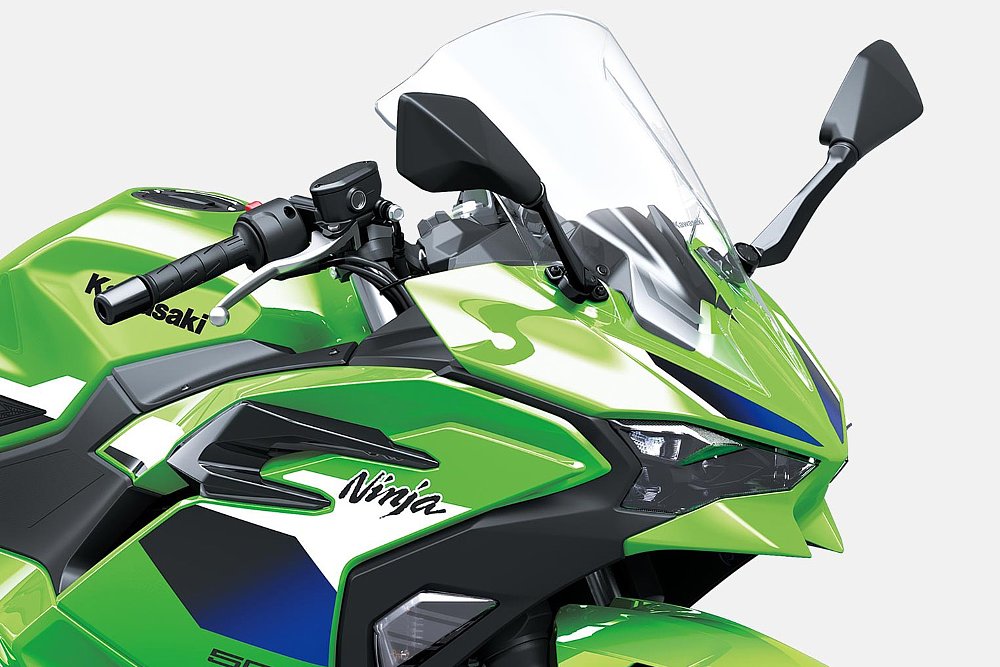
In November, Kawasaki Motors Corp. U.S.A. submitted a lawsuit against U.S. Customs and Border Protection (CBP) in the U.S. Court of International Trade. The filing contests that “IEEPA does not authorize these tariffs,” and seeks a “full refund from [CBP] of all IEEPA duties [Kawasaki] already paid to the United States as a result of the executive orders.”
Team Green has yet to recoup those costs following the Supreme Court’s decision. It may not have to wait long, though. On Wednesday, Judge Richard Eaton of the U.S. Court of International Trade ruled that “all importers of record’’ are “entitled to benefit’’ from the Supreme Court’s ruling, effectively dealing another blow to the administration. Eaton also noted that he will oversee “cases pertaining to the refund of IEEPA duties.”
Does that mean the tariff fight is over? Not by a long shot. Shortly after the Supreme Court announced its ruling, President Trump imposed a new 10% tariff on all goods entering the United States, using a different legal justification. Unless extended by Congress, that temporary import duty is due to expire on July 24, 2026. In other words, the tariff situation remains in flux, and manufacturers will likely continue navigating those murky waters throughout the year.
Image Gallery