





 Riders Preferred Membership
 Shop by Vehicle
 Track Order
 Contact Us
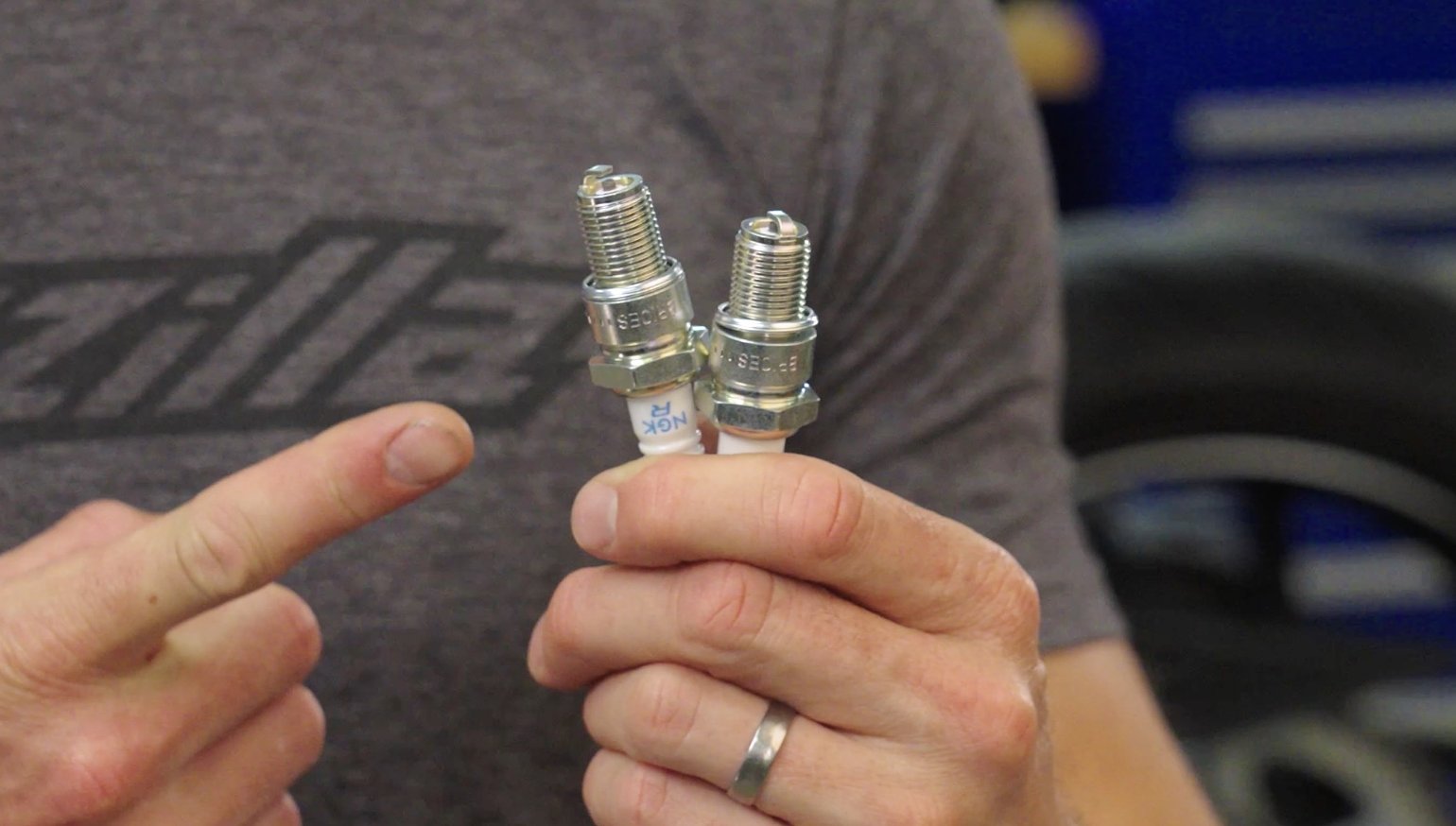
Spark plugs are right there in the fuel-compression-spark trinity of combustion, which means replacing your plugs on time is a critical piece of motorcycle maintenance. Sure, it seems like a simple “remove and replace” project, but there are some common ways things can go wrong, and we want to help you avoid them.
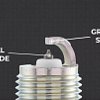
As the miles rack up, the spark plug’s electrode and ground strap erode, widening the gap. That can cause hard starting, reduced power, and increased fuel consumption. In other words, if you want your bike to run properly, you need to swap your plugs on time.
The replacement interval depends on your bike. It could be as short as 5,000 to 7,000 miles on an older, carbureted model with nickel-alloy plugs, or as long as 15,000 to 30,000 miles on a modern EFI bike with iridium or platinum plugs. To be clear, those metals refer to the material used at the tip of the plug; everything from the threads down is the same.
Access
Replacing plugs is technically easy. Getting to them is another story. On many modern motorcycles, you have to remove a bunch of bodywork, the gas tank, and the airbox to even see the plugs. That’s why I often combine the job with an air filter check or a valve-clearance inspection.
Removal
Older bikes usually have plug wires and boots, while newer machines use coil-on-plug “sticks.” In either case, pull on the cap—not the wire—to avoid damage.
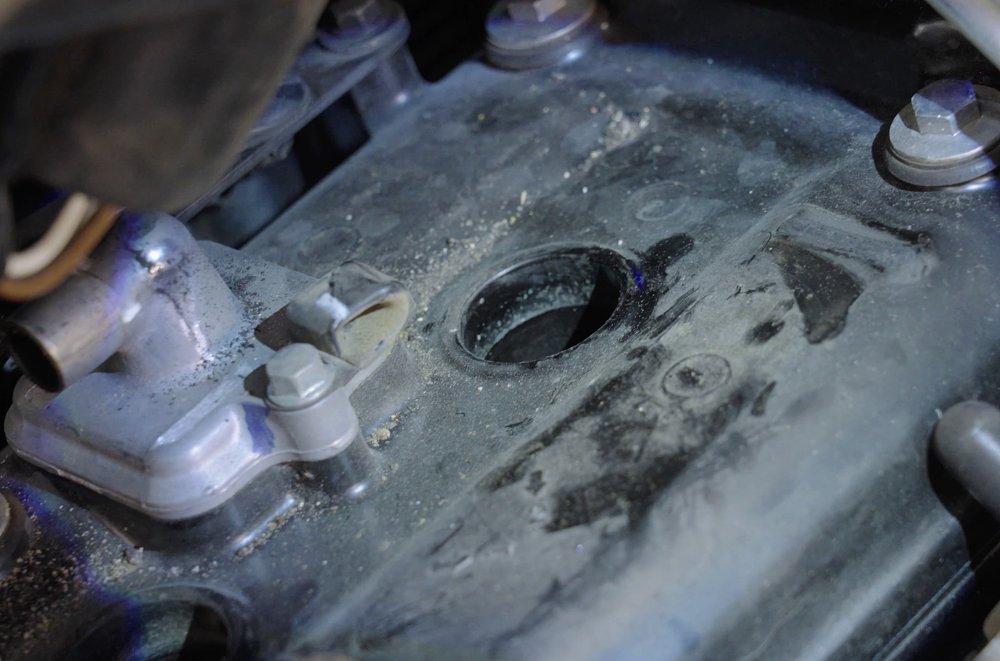
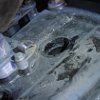
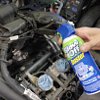
Plugs are almost always recessed into the cylinder head, and those cavities tend to collect grime. Blow the area out with compressed air or even canned air before you unscrew the plug. Otherwise, that debris could fall into the combustion chamber, which is how simple maintenance tasks turn into regrets that keep you up at night.
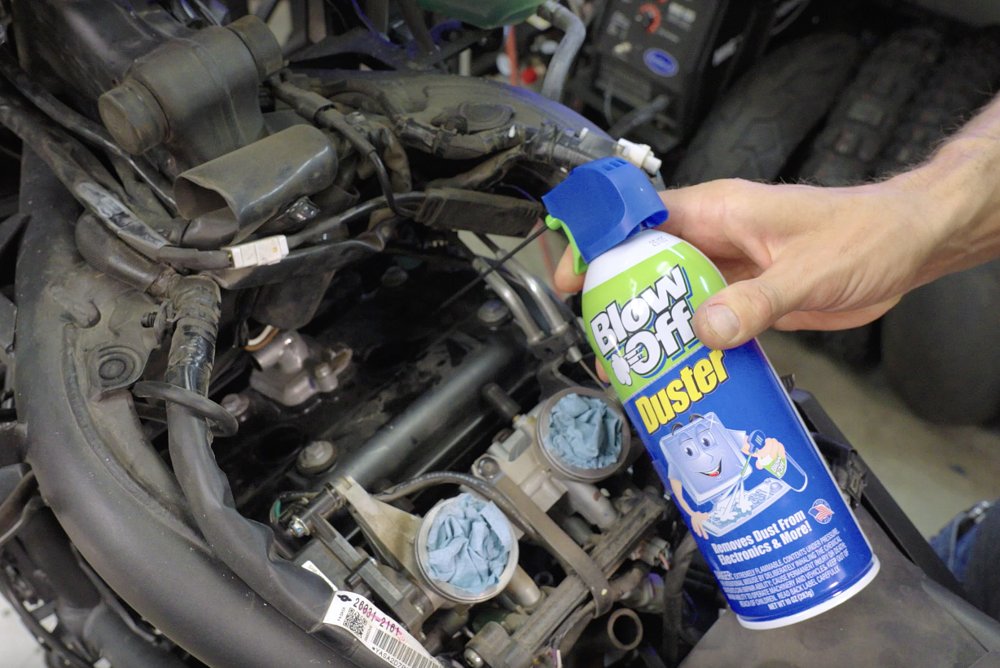
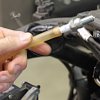
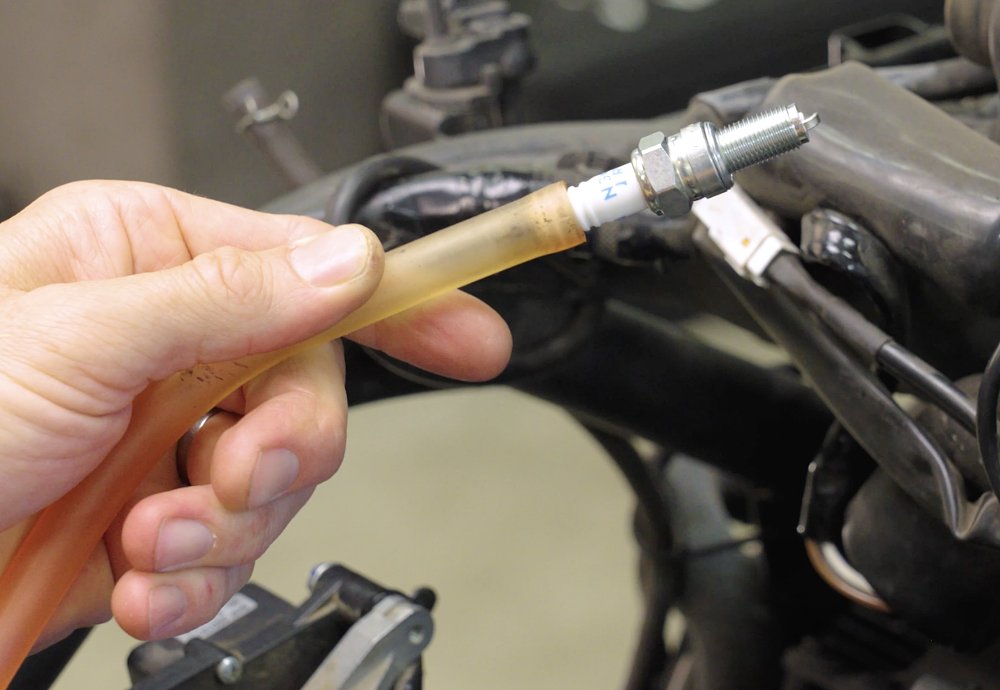
Once the hole is clean, remove the old plug. A standard deep socket can work, but a dedicated spark plug socket is slimmer and has an insert to grip the plug. If the plug doesn’t come out with the socket, you can grab it with a magnet on a stick or by using a length of hose pressed over the insulator.
Inspection
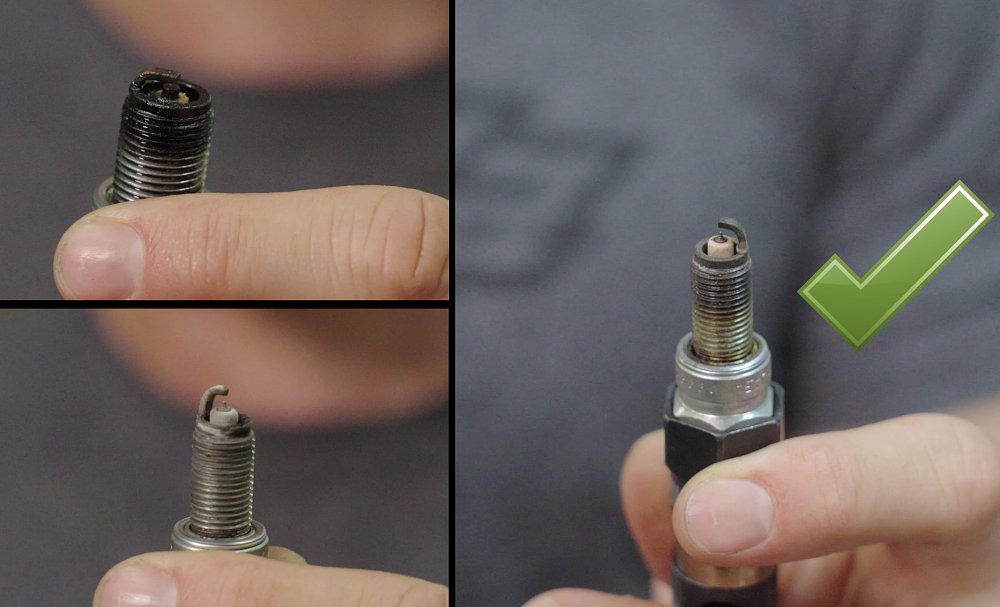
With your spark plugs out, it’s good to give them an inspection and look for clues about what’s going on inside your engine. While there’s a lot of nuance to “reading” a plug, the general idea is this: the insulator should be light tan to dark brown. If it’s black and oily or white and blistered, something’s not right. Please note that modern EFI bikes often have plugs with a light gray appearance than would be considered lean on a carbureted bike.
Gap
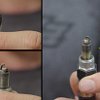
It’s also important to check the gap between the center electrode and ground strap against what’s listed in your manual. You can use feeler gauges or a spark plug gap gauge. These gauges are at the checkout counter of every autoparts store I’ve ever been to, or they’re $2 on RevZilla.
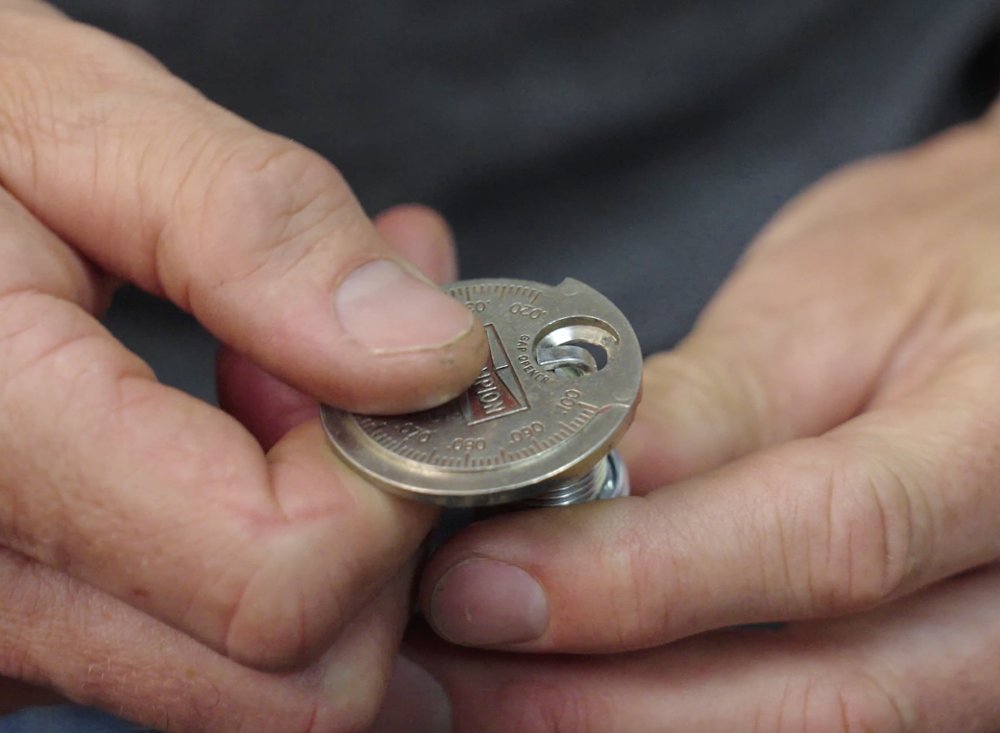
Platinum and iridium plugs are usually in spec right out of the box, but nickel plugs often need to be adjusted. To close the gap, press the strap against a hard surface (like a wooden work bench) to bend it a tiny bit. If you need to open the gap, that’s what the hole in the gap gauge is for.
Installation
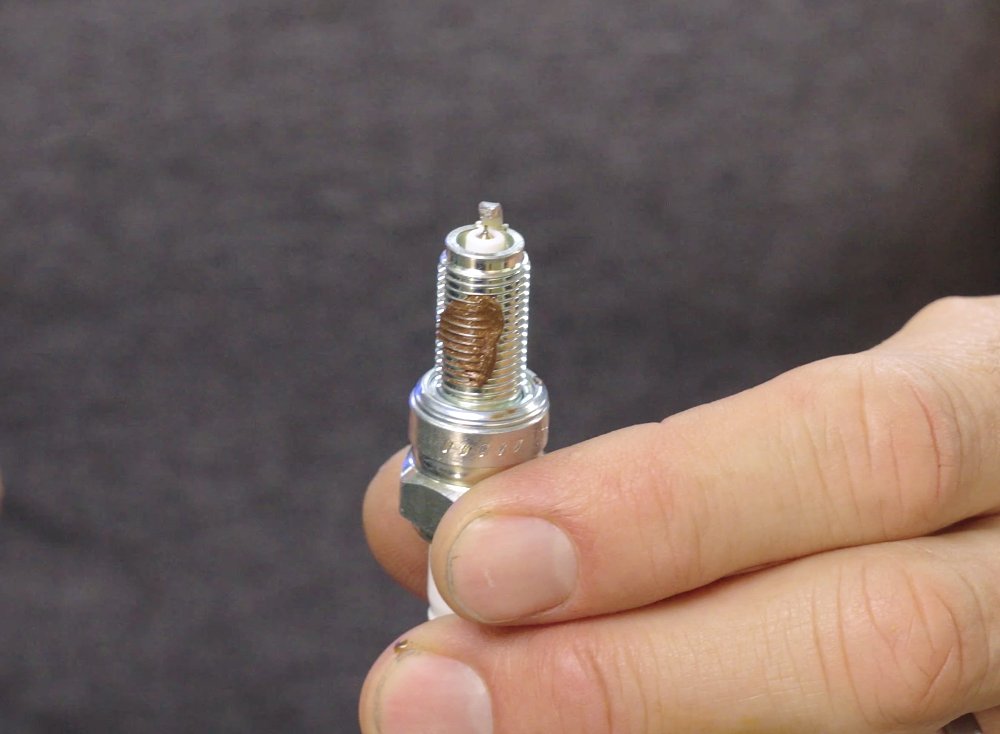
Now that your plugs are gapped you’re ready to install them, and you might be wondering if you should apply antiseize to the threads. Older (we’re talkin’ pre-War) plugs were bare steel and needed it. Today’s plugs are plated to resist corrosion, so anti-seize isn’t required. If you do use it, keep it off the top three (the top being the firing end) threads and reduce the installation torque by 20% to 30%, since antiseize acts as a lubricant.
Starting the plug straight is critical — cross-threading a cylinder head is an expensive mistake and pretty much the worst way this project can go wrong. That’s why I recommend getting the plug started by turning the socket with your fingers, not a ratchet. A hose slipped over the insulator is effective if access to the plug hole is tight, and the hose has a loose enough grip on the plug that it will slip if the plug isn’t spinning in straight and smooth.
When you’re ready to tighten the plug you can find the torque in your owner’s manual or on the box the plug came in, and odds are it’s going to be in the range of eight to 14 foot-pounds. You might be thinking, great, my torque wrench goes from 10 to 75 foot-pounds. Unfortunately, that’s not the right tool for this application, since torque wrenches aren’t accurate at the extremes.
Instead, you want to use an inch-pounds wrench, or better yet, the time-tested “touch-and-turn” method: Once the plug touches, turn it another half to three-quarters of a turn. But keep in mind, this method only works for new plugs with a fresh crush washer.
Finally, press the coil sticks or plug boots back on — you should feel or hear a click — and reassemble the bike.
Congratulations, you’ve successfully and correctly completed a crucial piece of maintenance that’ll help keep your motorcycle running strong.