




 Riders Preferred Membership
 Shop by Vehicle
 Track Order
 Contact Us
If you read my previous story, "The tale of the KLR650 buying disaster," you know I'm a California resident who is a student at George Washington University in Washington, D.C., and wanted a motorcycle to ride while I was at school and to learn to wrench on using the school's machine shop as captain of the Baja SAE team. Since that didn't work out, I needed a new plan.
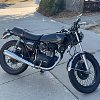
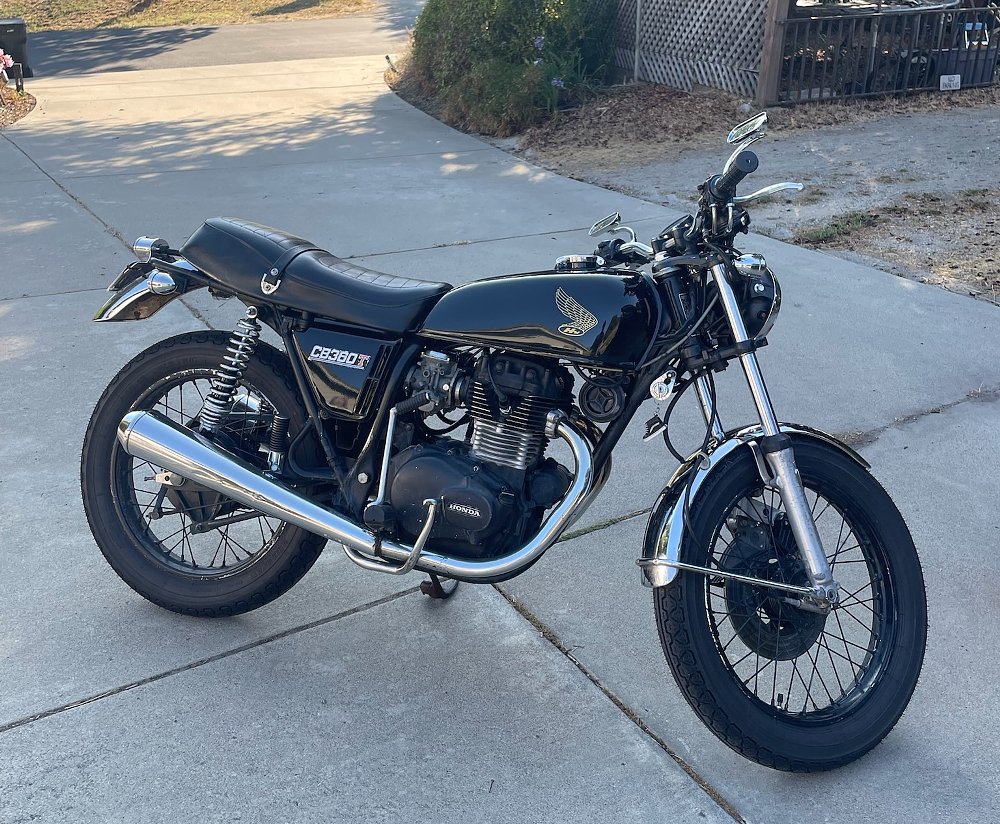
That's how I found myself buying a 1974 Honda CB360 while I was home for the summer in California and making plans to ship it 2,700 miles east.
Going into this adventure, I had zero experience shipping vehicles long distances. I have always been able to get by with renting a U-Haul and doing the transporting myself. But getting my "new" motorcycle from California to D.C. was much more than I could manage on my own. So I turned to the professionals. Throughout this journey I learned a great deal about the shipping process. Here are some tips I thought I'd share based on my experience.
If the quote is half the price of the competition, be wary
I turned to forums and Reddit to find reviews that felt genuine, filtering out obvious bots and focusing on firsthand experiences. Since I was on a pretty tight budget, I started searching for a company that wouldn't break my budget but would get my bike to the East Coast in one piece. I found many people recommending freelance shipping and other lower cost options.
I started down the rabbit hole of freelance shipping bulletin boards. I immediately found quotes that seemed too good to be true, drivers offering to haul it for $500 all-in. One seller demanded a Venmo deposit immediately before discussing any logistics. When I hesitated, they would badger me for the money. When I blocked them, they used other numbers to contact me. Not a confidence-inspiring experience.
Ask for as much information as you need to make a decision
Again, I went into this knowing nothing about shipping logistics. Most of the shipping websites offered information that is probably super helpful for people who have shipped vehicles before but for me it was confusing. I got in touch with many shipping companies directly and explained my situation and asked for help. Some ignored me, but others were actually honest and helpful with making a plan with me.
I eventually landed on Motorcycleshippers.com. They were very helpful when I e-mailed them all of my questions and concerns. They explained what they do, their different options, and worked with me to make a plan that cost $1,100 in all. That's a chunk of money for a student to spend, but I had worked all summer to cover it.
This plan worked well for me and I was able to save money in a few areas. First, I didn't use door-to-door shipping and instead had my bike delivered to a terminal. This is often cheaper than having your bike delivered right to your doorstep, and honestly worked better for my schedule. The Honda was picked up from my house in California and shipped to a terminal outside D.C. in Maryland. The terminal offered one week of storage for free, which made the pickup time more flexible. I could choose my own time to go get it rather than be ready at a moment's notice to unload a semi truck.
Protect your investment by documenting it
I also made sure to ask about the conditions of shipping. I wanted to make sure I wasn't paying for my bike to be thrashed to bits in the back of a pickup. The service I chose uses only enclosed trucks, which is a little more expensive but gave me more peace of mind.
Things can always go wrong, however, so among the many options you will have to consider when purchasing a plan that works for you is insurance. Most companies offer tiered plans. In general, the more you pay, the more money the company will reimburse you if anything goes wrong. Since my bike was cheap, the base level insurance was plenty for me.
In order for the insurance you just bought to actually be of use in the event of a catastrophe, you will need to prove damage was done. This can be used for scratches, dents, a bent handlebar, and more. But to be able to prove the bike arrived in worse condition than it when it was picked up, you need to have pictures from before. I'm not talking about pretty sunset pictures you took on an evening ride. You need detailed, up-close pictures. I rolled my bike out to the edge of my driveway and took pictures of every side, angle, and part on my bike that I could think of. I also filmed a 360-degree walkaround video to catch anything I missed in pictures. My bike was already rusted, dinged, and scratched up from the previous owners, so I wasn't too concerned about it staying polished and shiny. However, if you are shipping a pristine machine, take a walk-around video and detailed photos beforehand.
Expect the person who picks up the bike to inspect your motorcycle and make notes of any damage so they don't get blamed for scratches that were already there before.
Picked up and tied down
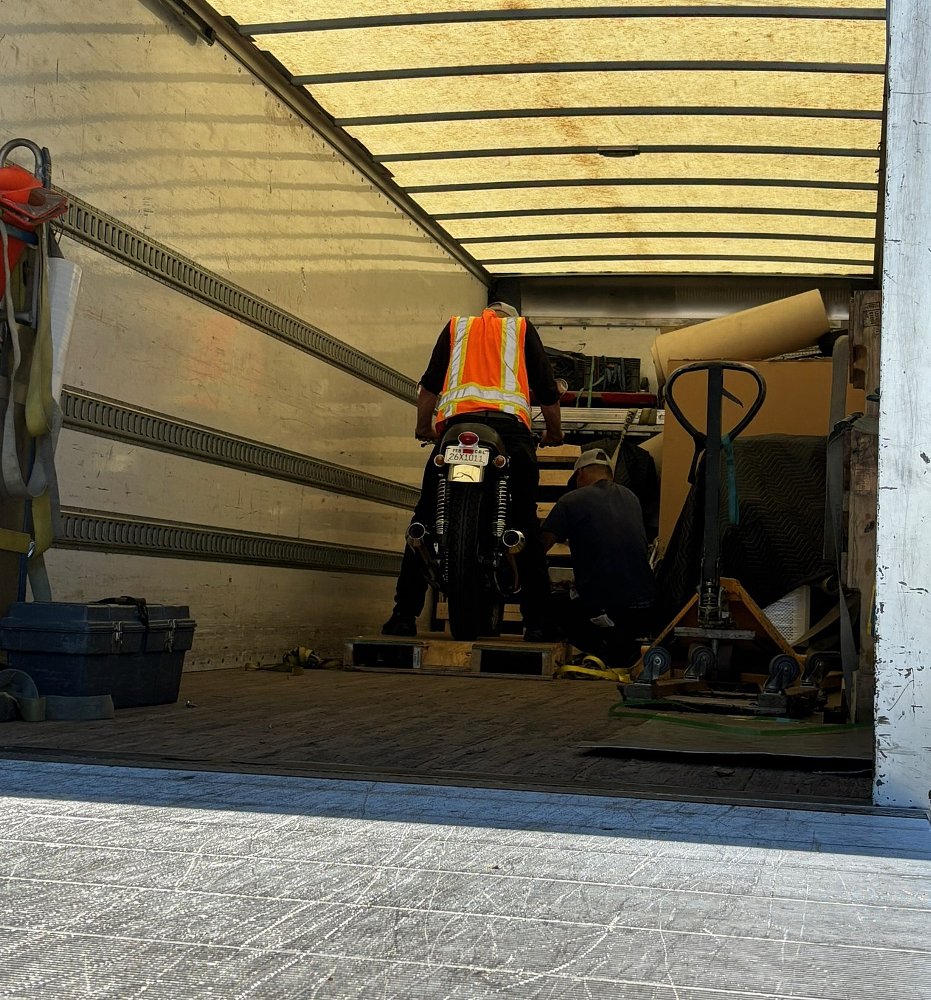
The truck driver was in communication with me from the time I signed the contract and gave me a couple days advance notice before arriving at my house in California, doublechecked my address, and confirmed that my street was large enough to accommodate a large truck.
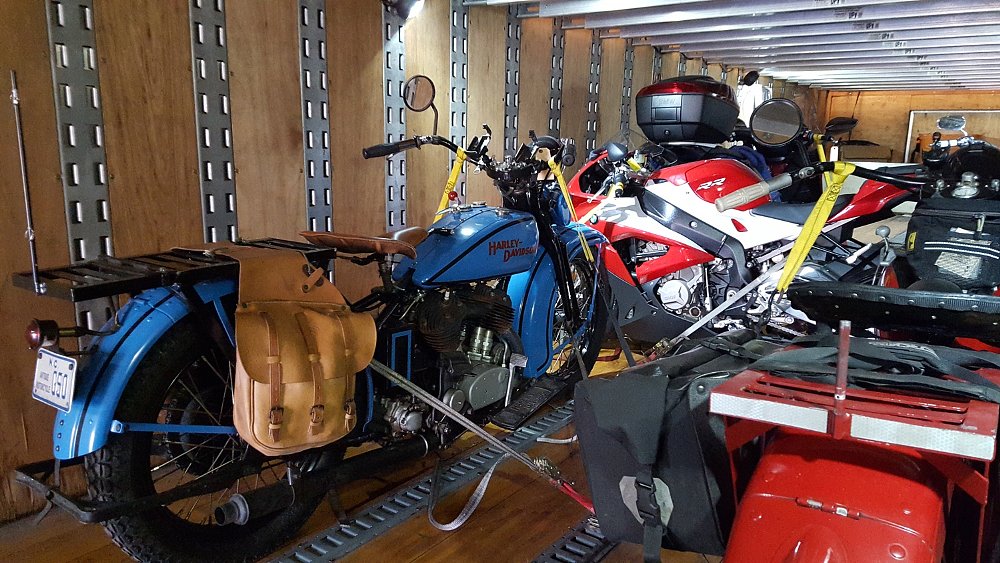
I was curious how they would actually secure the bike in the truck. I asked the company representative in advance and they tried to explain the method over e-mail, but I was still not fully sure how secure it would be for going over bumps and winding roads. These doubts went away on pick-up day.
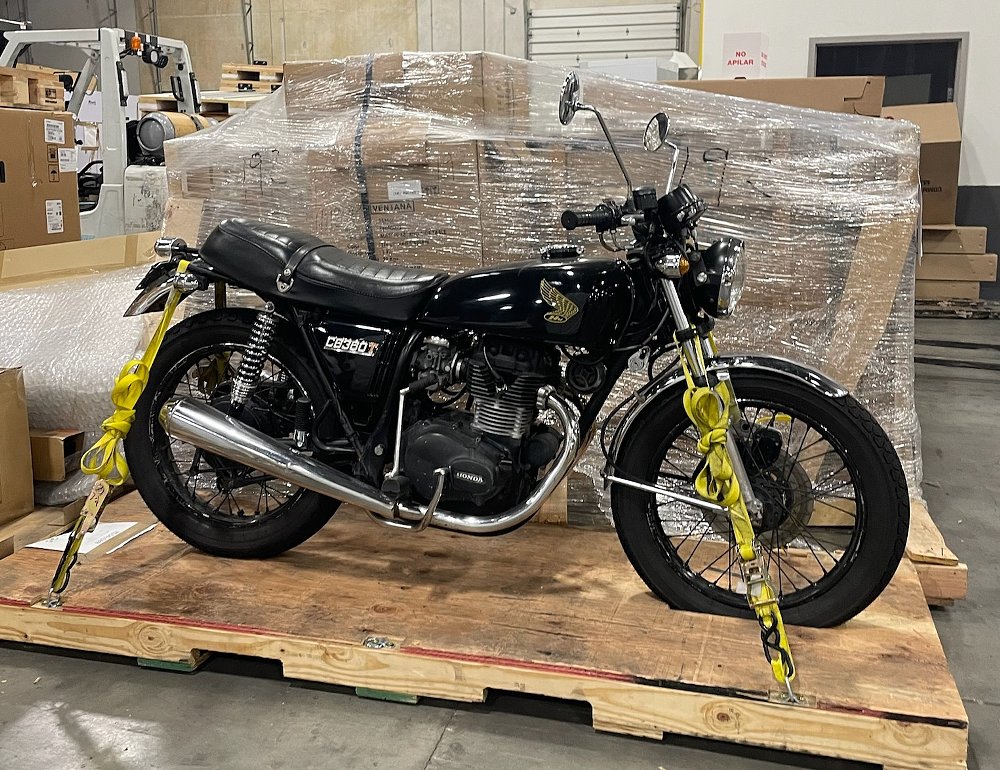
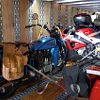
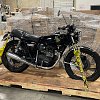
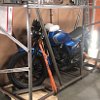
The crew was very helpful, confident, and professional. Once they wheeled the bike into the back of the truck, one person straddled the bike to hold it upright while another tied it down. They used two straps in the front and two in the rear, securing the bike to a specialized pallet with a slot cut out for the front wheel to sit in, keeping the bike locked upright and in place. If you are concerned about the state in which your bike will be transported, ask the company what methods they use, how many tie-downs are used (the more the better), and what they are tying the bike to (the specialized pallet worked great and gave me a lot of confidence).
Pick up: Plan A, Plan B, a friend to help, and all the paperwork
Since I was having my bike delivered to a warehouse 45 minutes outside of D.C., I needed a ride to the warehouse to get it. At first I considered getting an Uber to the warehouse, but that was pretty expensive and relied on everything going well from that point on. My buddy Arman, a commuter student with a car, graciously agreed to drive me in return for some pumpkin muffins that I made. We made plans to leave early on a Wednesday morning to avoid traffic and have time to troubleshoot whatever came our way.
I also always like to make sure I have a plan B, in case things don't go very well. My plan was to ride the bike back to campus, but if it wouldn't start and that failed, my backup plan was to come back the next day with a U-Haul pickup.
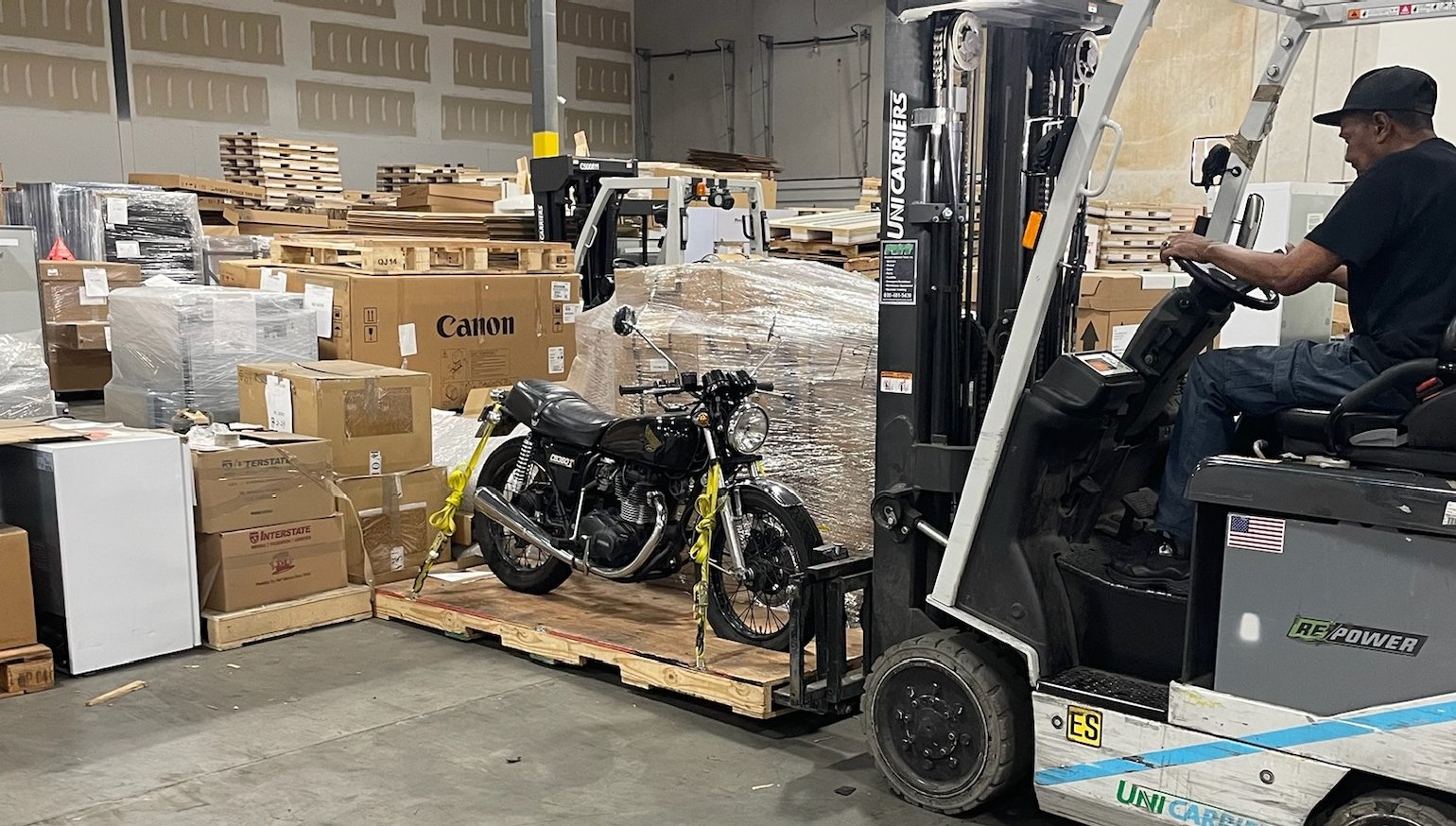
When Arman and I pulled up to the Maryland terminal, the place looked abandoned. The front office was dark, locked, and silent. Had we driven to the wrong address? We drove around back to the loading docks where I flagged down a confused truck driver who pointed us toward a side door. "Ask the forklift driver," he shouted over the noise.
I got the forklift driver's attention and he told us to follow him through the warehouse to an office.
My experience with the DMV taught me the heartbreak of being turned away because I missed one obscure form. I wasn't about to let that happen this time. I had e-mailed the shipping company days earlier to ask exactly what I needed, but their reply was a confusing mix of "required" and "recommended" documents. So, I decided to print everything. Every e-mail chain, every contract, every receipt, and every confirmation number. I walked into that warehouse office carrying a mountain of papers. I was not making this trip twice.
The forklift driver led us to a gray office space where my paperwork strategy paid off. The lone employee looked at my stack of papers with genuine surprise, flipped through the binder, and muttered, "Well, it seems like you definitely have everything you need." He glanced at my ID, stared at the contract for 30 more seconds, stamped a form, and waved us off to go collect my bike. It was refreshingly simple.
Now — not after you get home — is also the time to check for any damage that might have occurred during the trip.
Bring some tools, hope you don't need them
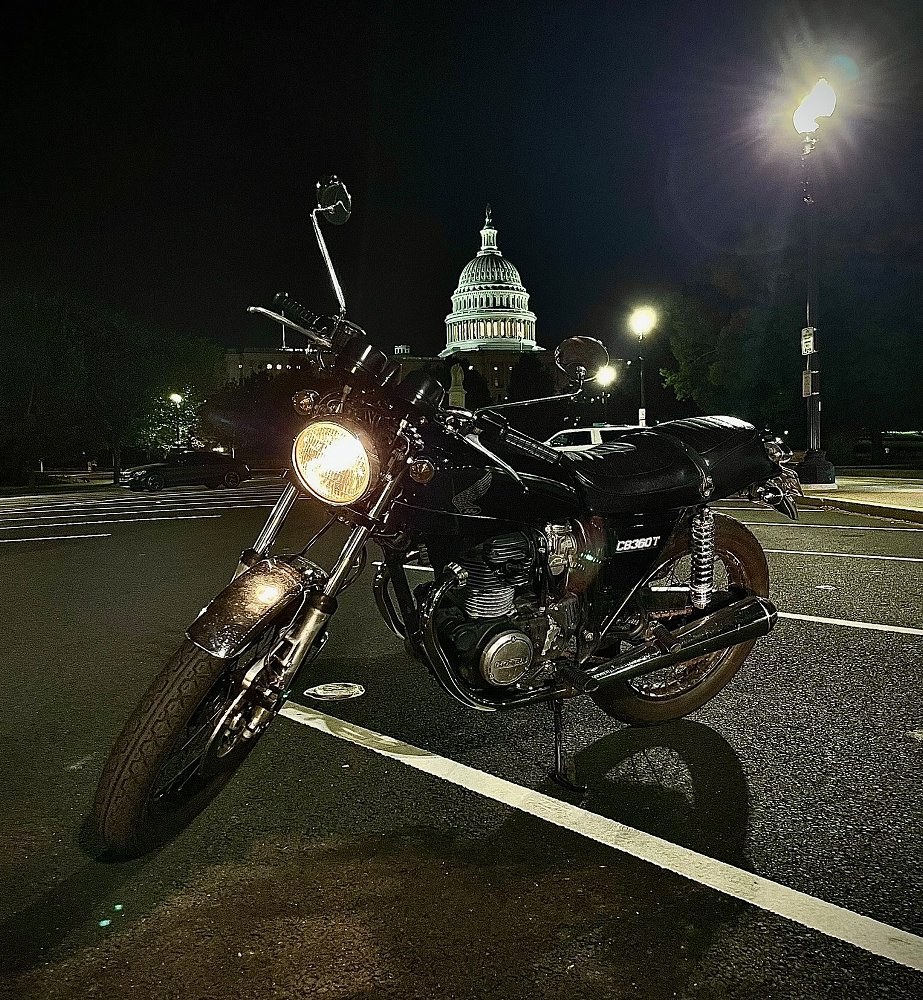
I suppose it depends on what bike you're dealing with, but I wasn't very confident my 1970s Honda would arrive ready to run, so I was mentally prepared to spend time diagnosing a dead bike in a Maryland parking lot. I had packed a backpack full of hand tools, anticipating the worst. Per shipping regulations, I had disconnected the battery back in California, so my first move was a quick screwdriver job to reconnect the leads. To Arman's and my delight, the old Honda sputtered to life on just the third kick. I didn't question my luck. It settled into a steady idle as I packed up the tools, geared up, and we rolled out of the terminal.
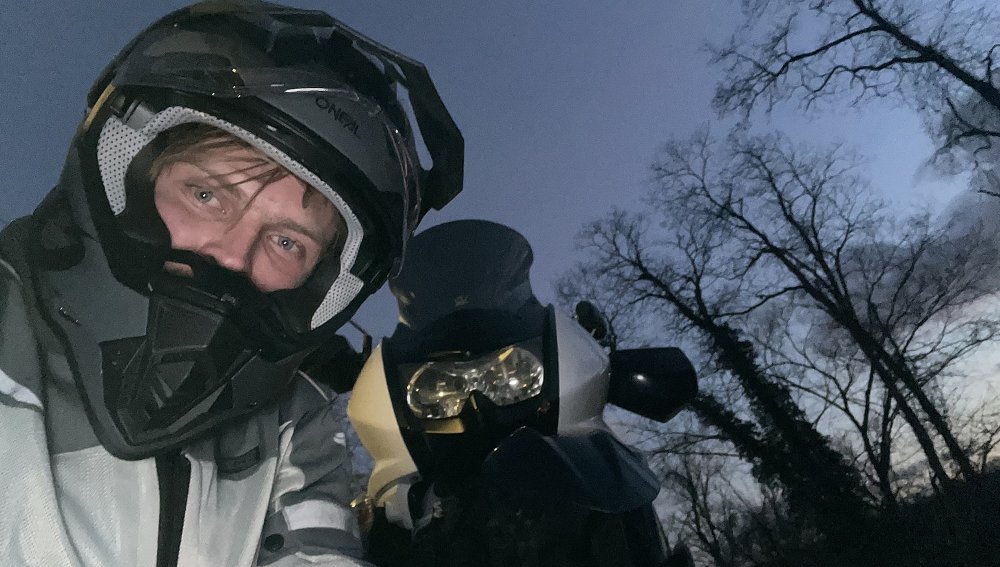
The conditions were admittedly not great. Rush-hour traffic, steady rain, cold wind, unfamiliar roads; everything about that ride should've been miserable. But while I was sitting on that bike, listening to the now familiar clatter of the engine, smelling the exhaust, and feeling the wind again, it didn't matter. I had successfully got my bike from California to D.C. and was now ready to get my hands dirty learning to wrench.
Image Gallery