





 Riders Preferred Membership
 Shop by Vehicle
 Track Order
 Contact Us
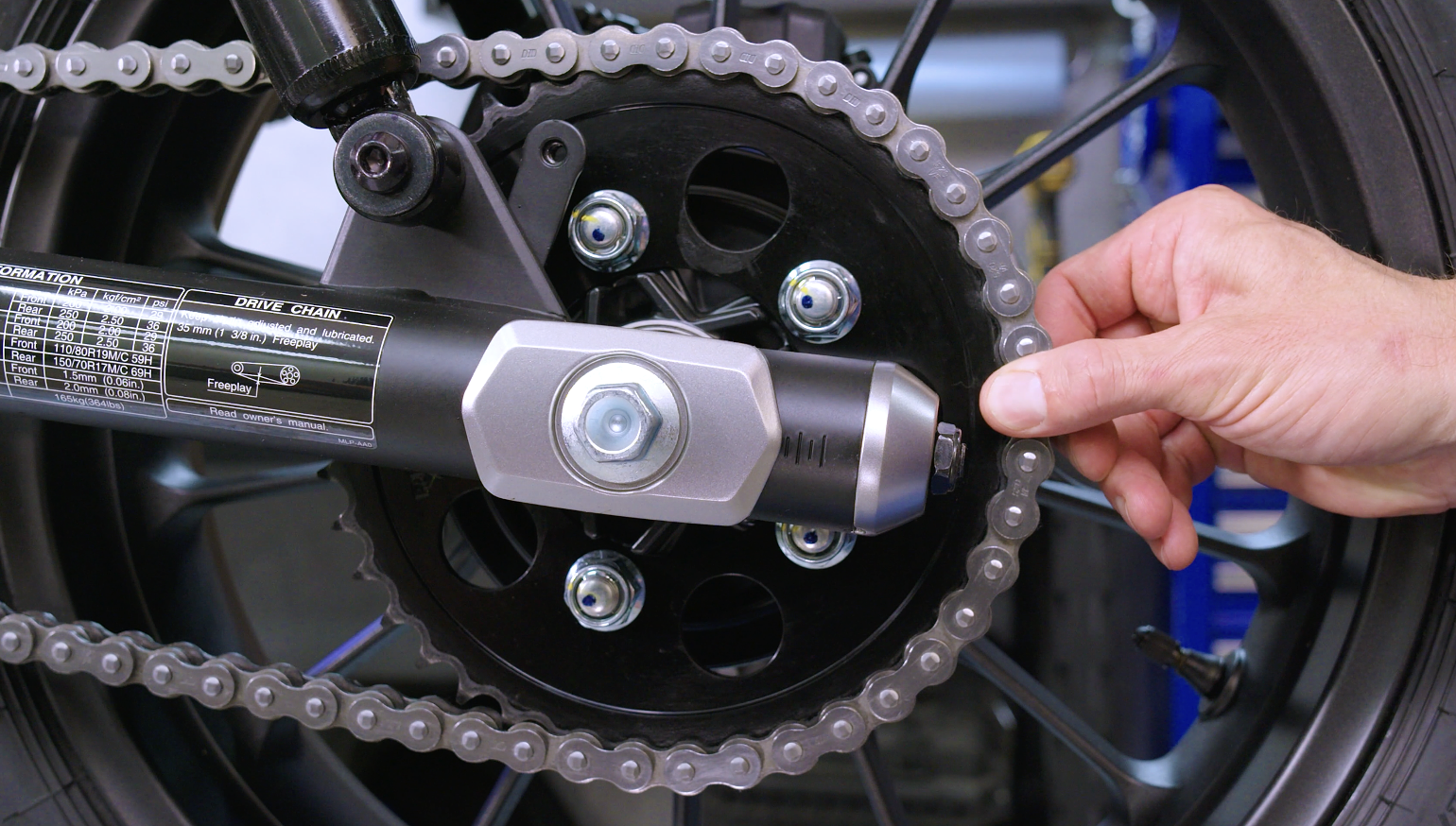
You know your motorcycle chain needs to be cleaned, lubed, and tensioned, but how do you know when it’s getting worn out and should be replaced? Good news: You can assess your bike’s drivetrain health in half the time it took you to read this intro.
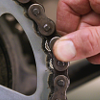
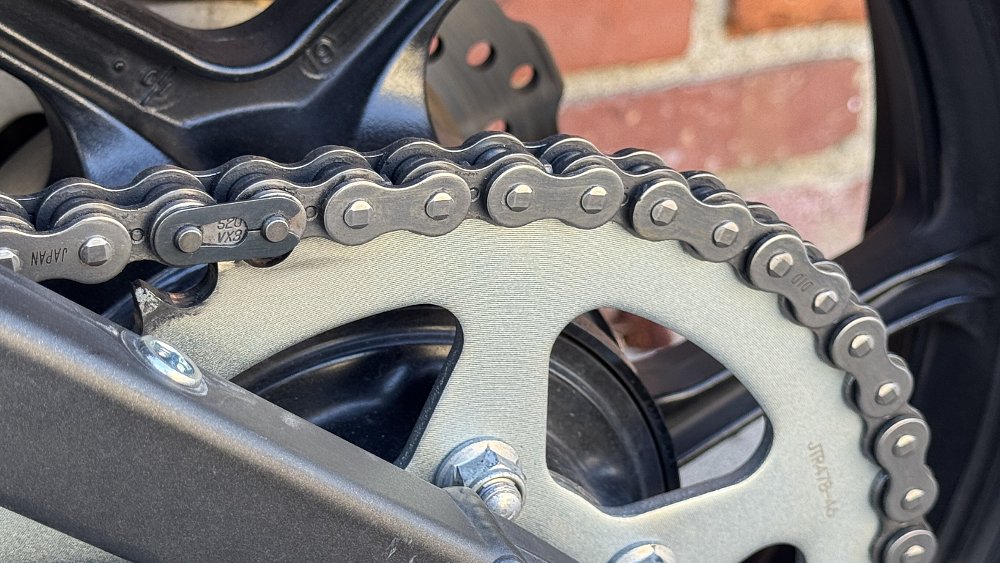
The easiest way to check the condition of your chain is to grab it at the back of the rear sprocket and pull. A healthy chain won’t have much movement and will be snug against the sprocket, but as the pins and bushings within the links wear, the chain elongates, allowing it to lift off the sprocket.
Some movement is acceptable, but if you can pull the chain enough to reveal daylight under a link, then your stuff is worn out.
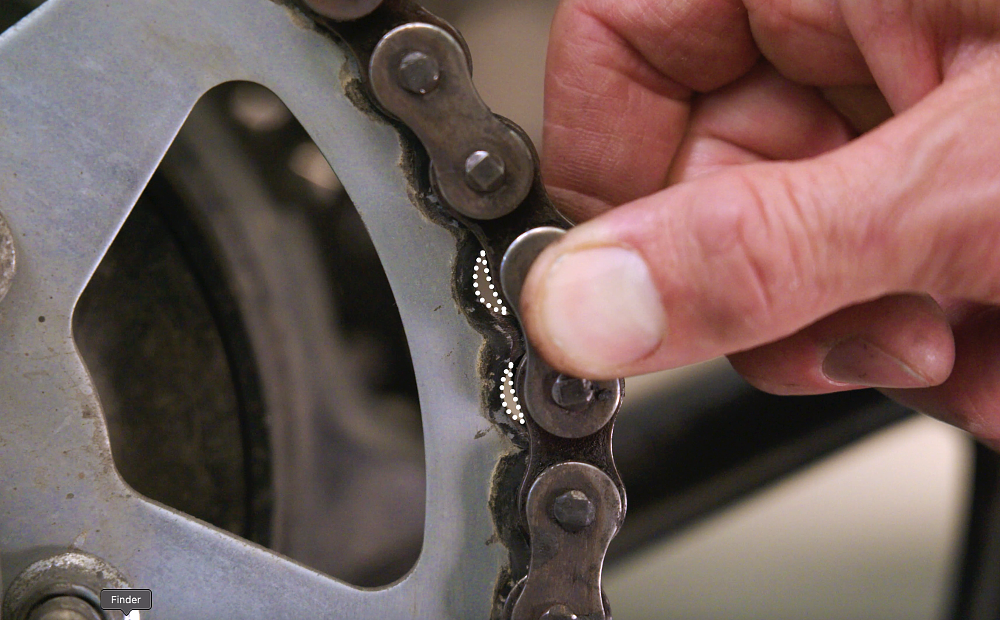
That’s the quick and surprisingly accurate way to determine if it's time to replace your motorcycle's chain and sprockets. But since you’re already squatting, you can also look closely at the shape of the teeth on the rear sprocket. New or healthy sprockets will have symmetrical teeth, but as the chain wears and gets longer the rollers ride higher on the teeth, and that begins to wear them from a nice even taper into more of a hook. It also puts more pressure on fewer links and fewer sprocket teeth, which is why chains go from a little sloppy to completely clapped out so quickly.
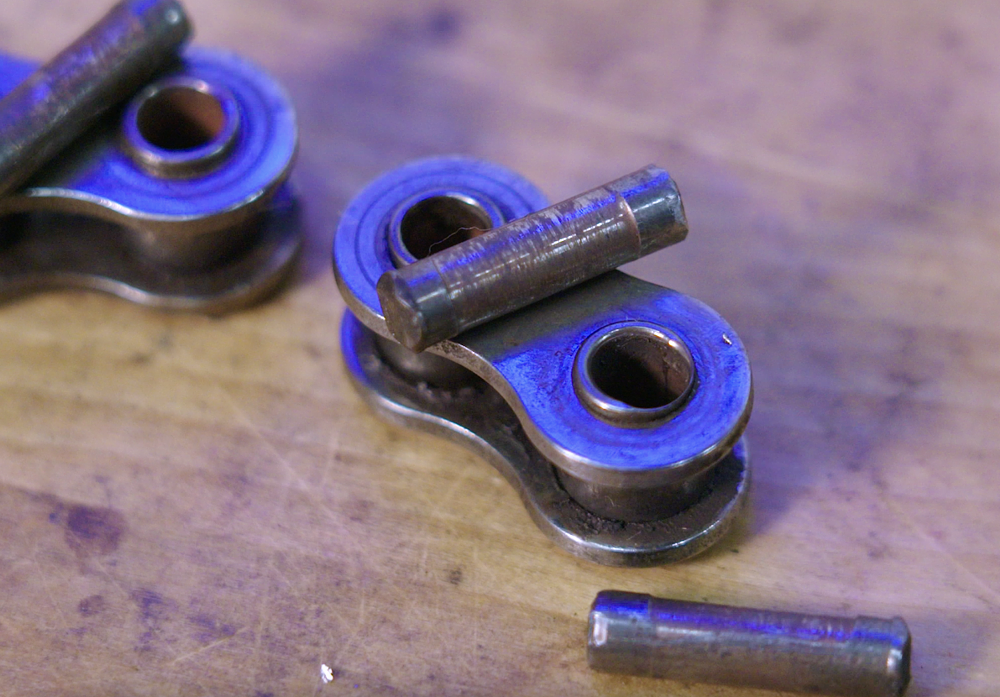
Other warning signs when evaluating your chain are kinked or stiff links. On sealed chains it’s not uncommon to see some out-of-alignment links since the O-rings cause a bit of drag, but if you can’t easily straighten them, that means that your chain is starting to bind up, and that’s a bad sign. It’s worth pointing out that when the chain is cold it’s more likely to feel stiff due to the O-rings and grease surrounding the pins and bushings.
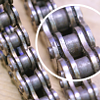
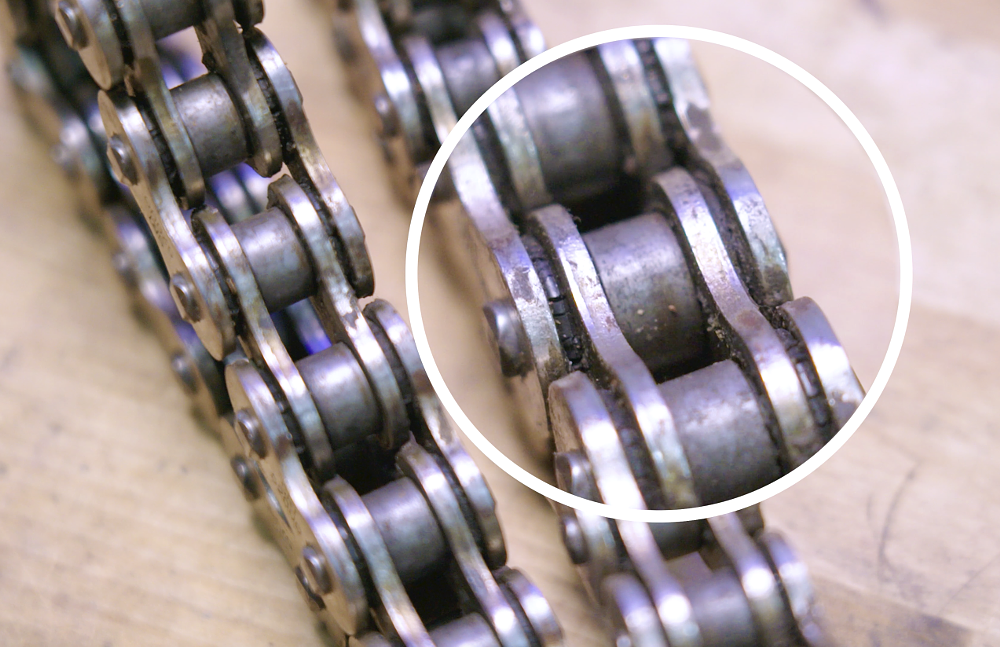
Speaking of O-rings, you want to make sure they’re all present and intact. If you sight a line down the chain you’ll see a small gap between the outer and inner side plates. That’s where the rubber O-rings that seal in grease and seal out dirt and water live. If they’re cracked, broken, or missing, that’s immediate grounds for replacement.
And when it comes time to replace your drivetrain, the best practice is to replace the chain and sprockets as a set. The parts wear together, so you replace them together. It might be tempting to just throw on a new chain, but even if the sprockets only look slightly worn, they will cause more drivetrain noise and vibration, and cause the chain to wear more quickly.
There are a lot of choices to navigate when buying a chain and sprockets, so give our “Motorcycle chain and sprocket decisions demystified” article a read so you’re fully informed.
Assessing your drivetrain’s condition is a fundamental bit of motorcycle maintenance, and now you know how to do it.
Image Gallery