




 Riders Preferred Membership
 Shop by Vehicle
 Track Order
 Contact Us
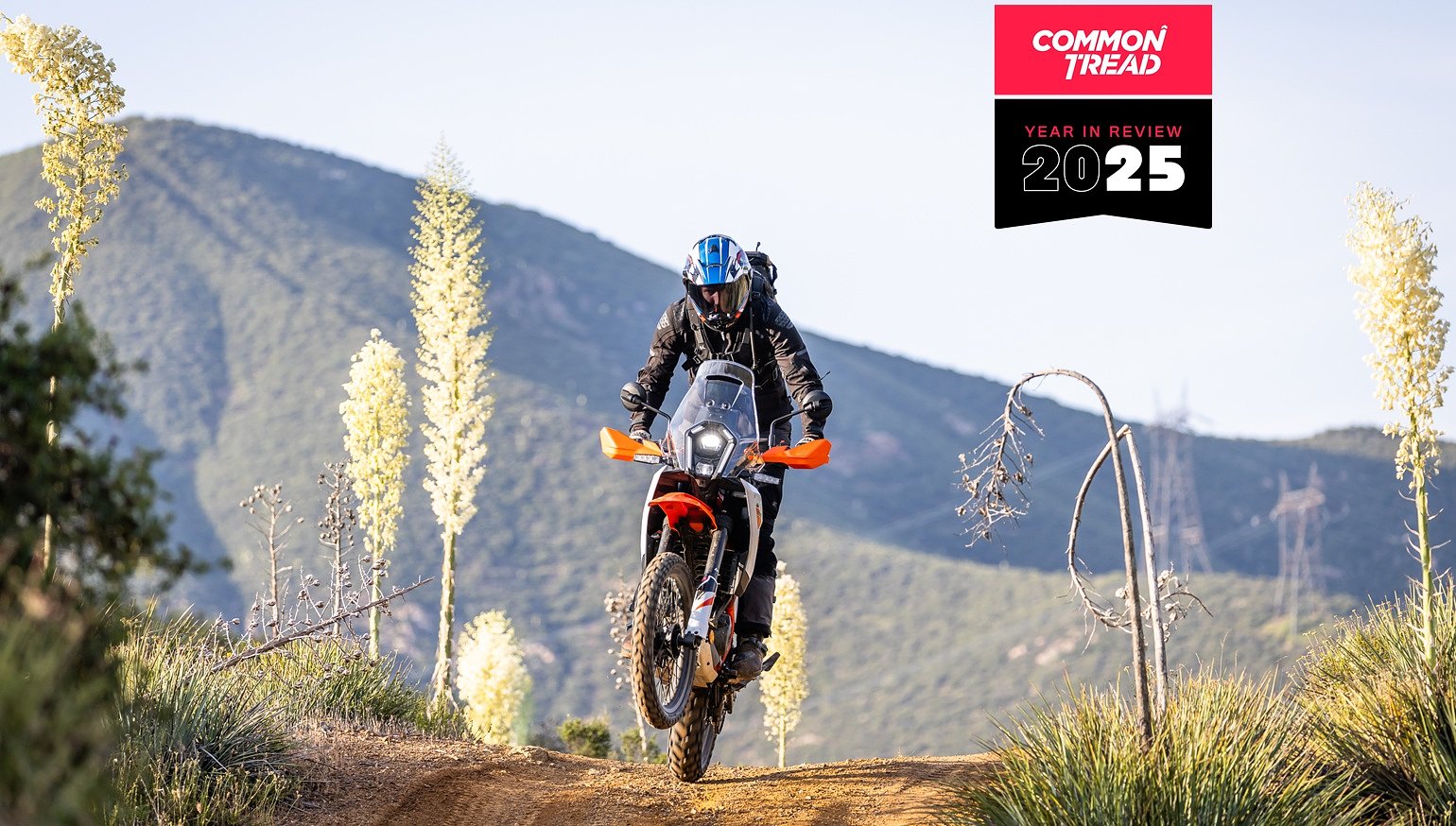
Part of what we believe our value proposition is here at Common Tread is that we go beyond just copy-pasting the news releases and passing on the spec sheets for the newest models. We also try to make sense of the greater forces that affect motorcycling, and therefore affect all of us who ride.
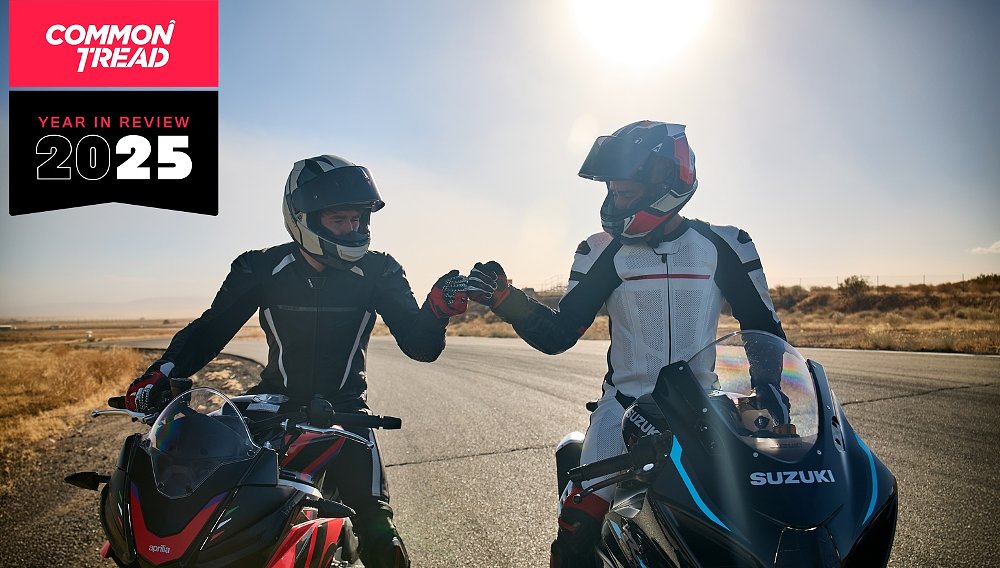
For that reason, our annual exercise of thinking about the trends we've seen in motorcycling in the year gone by, both positive and negative, is a fixture of our Year in Review articles. It's a good habit for us, and we hope it makes some interesting points for you to consider. So here's what a few members of our Common Tread team chose to point out from 2025.
Dustin Wheelen: Small off-roaders and big TFT displays
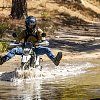
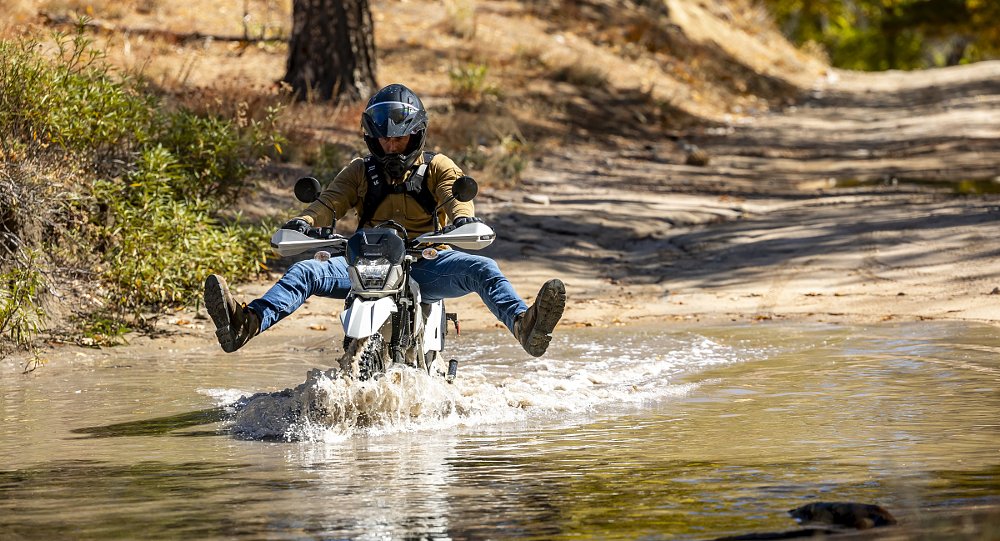
Positive: I'm a big fan of small motorcycles — especially when dirt is involved. That's what has me excited about the latest crop of ADVs and dual-sports. There's KTM's updated 390 Adventure line and new 390 Enduro R. There's Kawasaki's KLX230 Sherpa S. Even Suzuki refreshed the ancient DR-Z. And that's just in the past year alone.
In the coming months, Kawi's KLE500 and Yamaha's WR125R will hit the market. BMW's F 450 GS will also follow later in 2026. If there's one trend I don't mind extending into 2026, it's this.
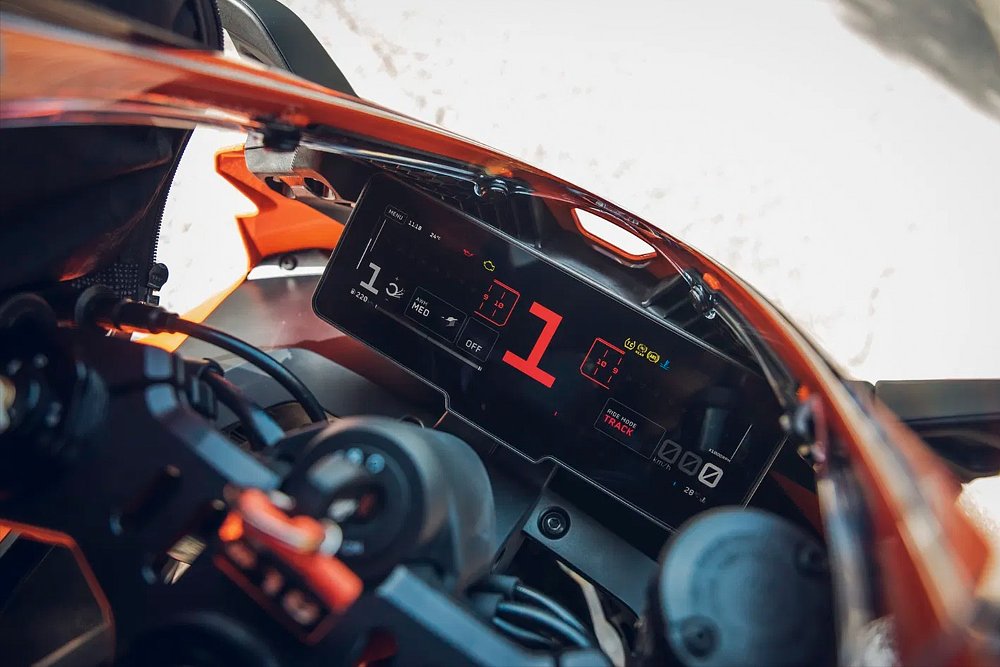
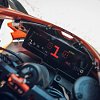
Negative: Just like MSRPs and engine ccs, the size of TFT displays only continues to creep upward. Now, I'm no authority on the subject, but I consider displays measuring 4.5 to 5.5 inches to be average-sized. That's small by today's standards, as newer dashes now rival the size of iPads.
BMW's 10.25-inch TFT is but one example. It's not only found on grand tourers such as the BMW R 1300 RT and K 1600, but also on the CE 04 electric scooter. That isn't the only urban electric with such accommodations, either. The Can-Am Pulse and Origin also flaunt a 10.25-inch display. Talk about overkill.
With infotainment systems putting more and more features at the rider's fingertips, it's easy to see why TFTs continue to grow. So what's the problem? With more screen space comes more distraction. Hopefully, manufacturers recognize that much when developing the next generation of displays.
Spurgeon: Good buys, not enough buyers
Positive: This year I had the opportunity to upgrade a few motorcycles in RevZilla's East Coast fleet. Having not purchased a motorcycle personally since we bought Nicole's Kawasaki KLX230 back in March of 2022, I was surprised with how the tide has turned. As Lance reported in yesterday's article, inventory is on the floor and there are deals to be had! I purchased a Kawasaki KLR650, of which the dealer had four to choose from, a Yamaha MT-07, which was one of three, and a Kawasaki Ninja 500 which, if memory serves, had no fewer than 10 siblings also sitting there waiting for a new home. And I didn’t pay MSRP for any of them. Which is a great story to be able to tell the Accounting team at RevZilla, but is even better as a positive trend for motorcyclists out there considering a new bike in 2026 with your own money. If you plan to buy a new motorcycle, 2026 could be your year to do it "affordably."
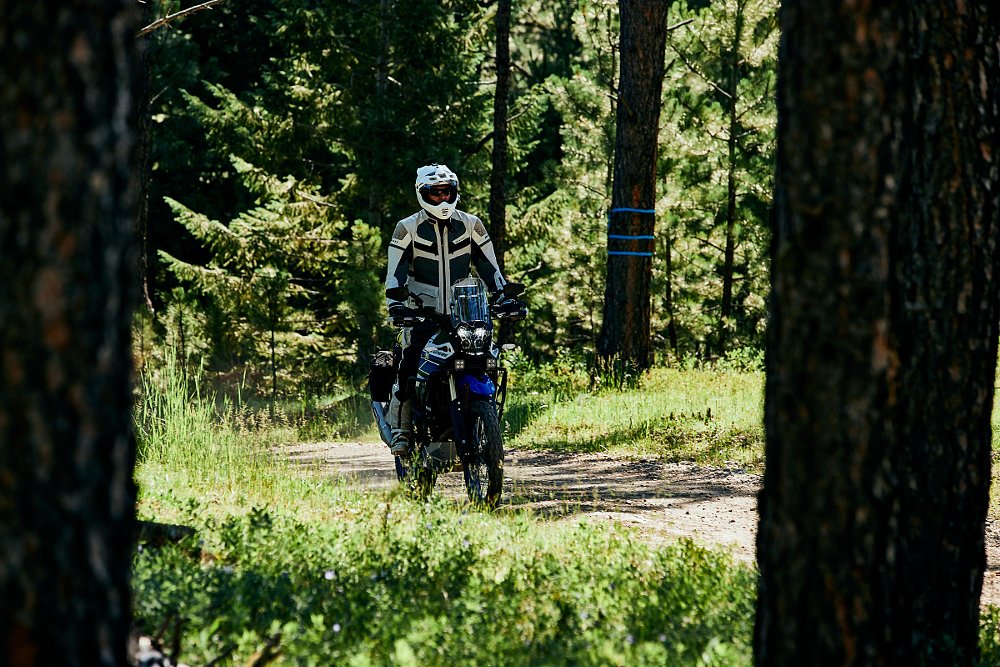
However, there's a negative side to that positive trend: People aren't buying as many motorcycles. There are a lot of possible reasons for this ranging from the current economic landscape, to safety concerns, to a generational shift in priorities as the motorcycle industry grapples with how to attract Millennials, and even more importantly, Gen Z, to two wheels. Unlike Baby Boomers, who prioritized asset acquisition, Gen Z take a different outlook. Acquiring "things" can be more of a liability in their quest for financial independence, as they struggle to get a foothold on their financial security. No matter the reason, fewer motorcycle sales implies fewer new riders, and that's a negative trend for all of us who love this sport and want to see it grow.
Zack Courts: The auto-trans movement can be good, bad, or worse
The groundswell of automatic transmissions being innovated, beyond the traditional CVTs paraded by scooters, I mean, is both the positive and negative trend that stood out to me this year.
Positive: These new options are good for obvious reasons, I hope, in so much as they can attract to motorcycling people who have never used a clutch or aren't comfortable with shifting a standard motorbike.
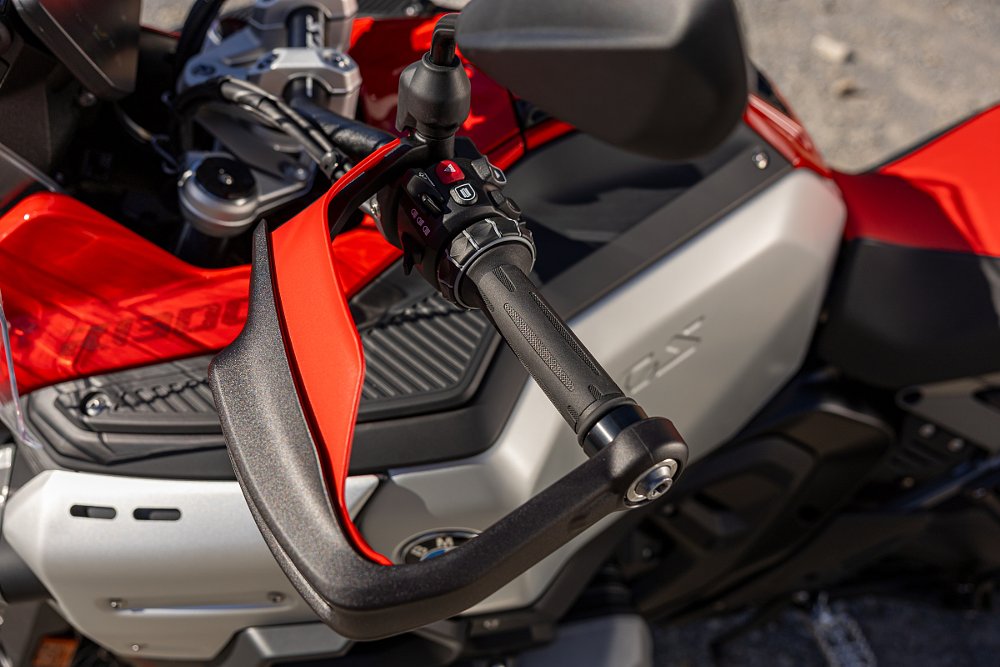
It's also a trend worth talking about, I think, because of the innovation involved. There are so many different approaches to auto-trans technology. Honda arguably has the most obvious stake in the ground with its DCT tech, which has been around for more than a decade now and is largely accepted as excellent. Interestingly, Big Red also has CB650 models with e-Clutch systems, which require much less hardware and work amazingly well. BMW, Kawasaki, KTM, and Yamaha all have slightly different takes on how to automate shifting, some with no foot pedal, some with paddles for fingers, and some with both.
So what's the negative? Some of these various systems are, as a matter of fact, quite clumsy and unsatisfying to use. That's where this trend could turn bad. I love the diversity in thought and the variety served to consumers, but people are fickle. Just like someone who tried ABS in 2008 and swore off it forever, I worry that one bad experience with an automatic motorcycle could turn off a rider to all the rest of them, if it's not good enough.
Lance Oliver: Accessible (and good) options and ailing dealers
My positive trend is one that's actually been building for several years. As Zack noted in his article on the Suzuki GSX-8R, according to Motorcycle Industry Council data, sport bike sales are up 71% over the past five years, mostly going to young buyers. It's not magic. Manufacturers recognized they needed to build more accessible, affordable, sporty bikes. I could use others, but I'll use Honda as an example.
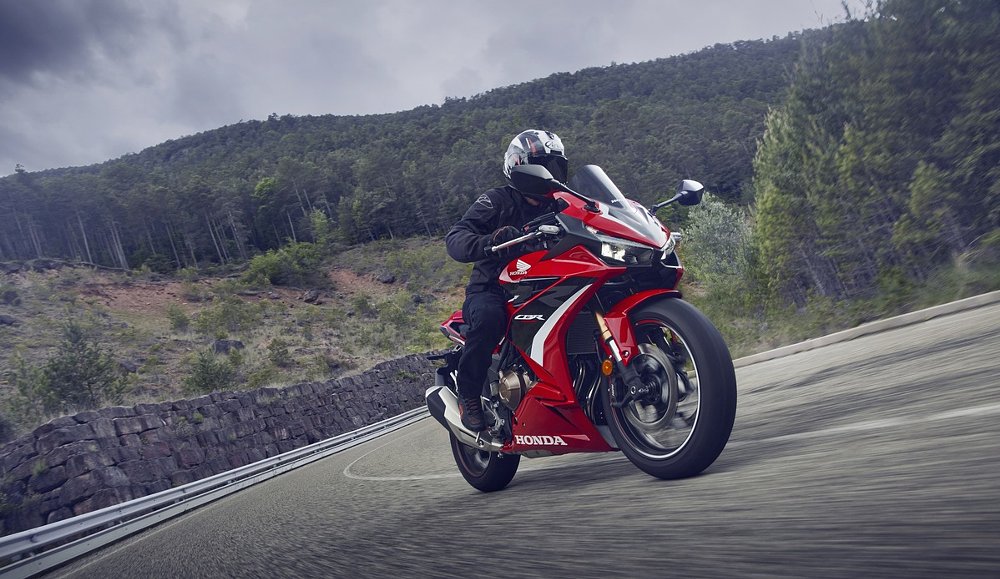
If a young buyer walked into a Honda dealer 20 years ago, the most accessible sport bike options were a CBR600F4i or a CBR600RR, both high-strung, powerful, hard-to-insure models totally unsuited to a new rider. There were some awkward-looking mid-size cruisers. Don't want a cruiser? Well, we have this, umm... Ruckus scooter. That was about it. Today, a young buyer can consider a CBR300R or CBR500R or their naked counterparts if they want sporty, an NX500 for ADV looks, small Rebels for cruising, and urban riders can choose from six miniMOTO models, each one cool and Instagram-ready. All good choices for a less experienced rider, and other manufacturers have great options, too. This trend is the ongoing one that could save the industry.
Negative: It's easy to complain when we have a disappointing experience with a motorcycle dealer, but the reality is that we need dealers and we need them to be healthy for the good of motorcycling. And right now a lot of motorcycle dealerships are hurting. We documented some of the reasons in Jerry Smith's article about why so many Harley-Davidson dealers have gone out of business, but many of the issues aren't limited to Harley-Davidson. Dealers' costs rose as they were flooded with too many motorcycles as an overreaction to the lack of inventory during the pandemic. At the same time, higher interest rates increased the cost of keeping that inventory on the floor, while sales have been stagnant. Manufacturers have recognized the problem for at least two years now, but efforts to reduce inventory have only been partially successful.
That gets back to the weakness in the industry that Spurgeon looked at above from a different angle. With sales of new motorcycles in the United States roughly half what they were 20 years ago, there just isn't enough business to support the same number of dealers we used to have and some are closing shop. Whether in a big way, like taking away your job, or in a small way, like making it less convenient to get service on your motorcycle, dealers going out of business was a negative trend for all of us in 2025.
Image Gallery