




 Riders Preferred Membership
 Shop by Vehicle
 Track Order
 Contact Us
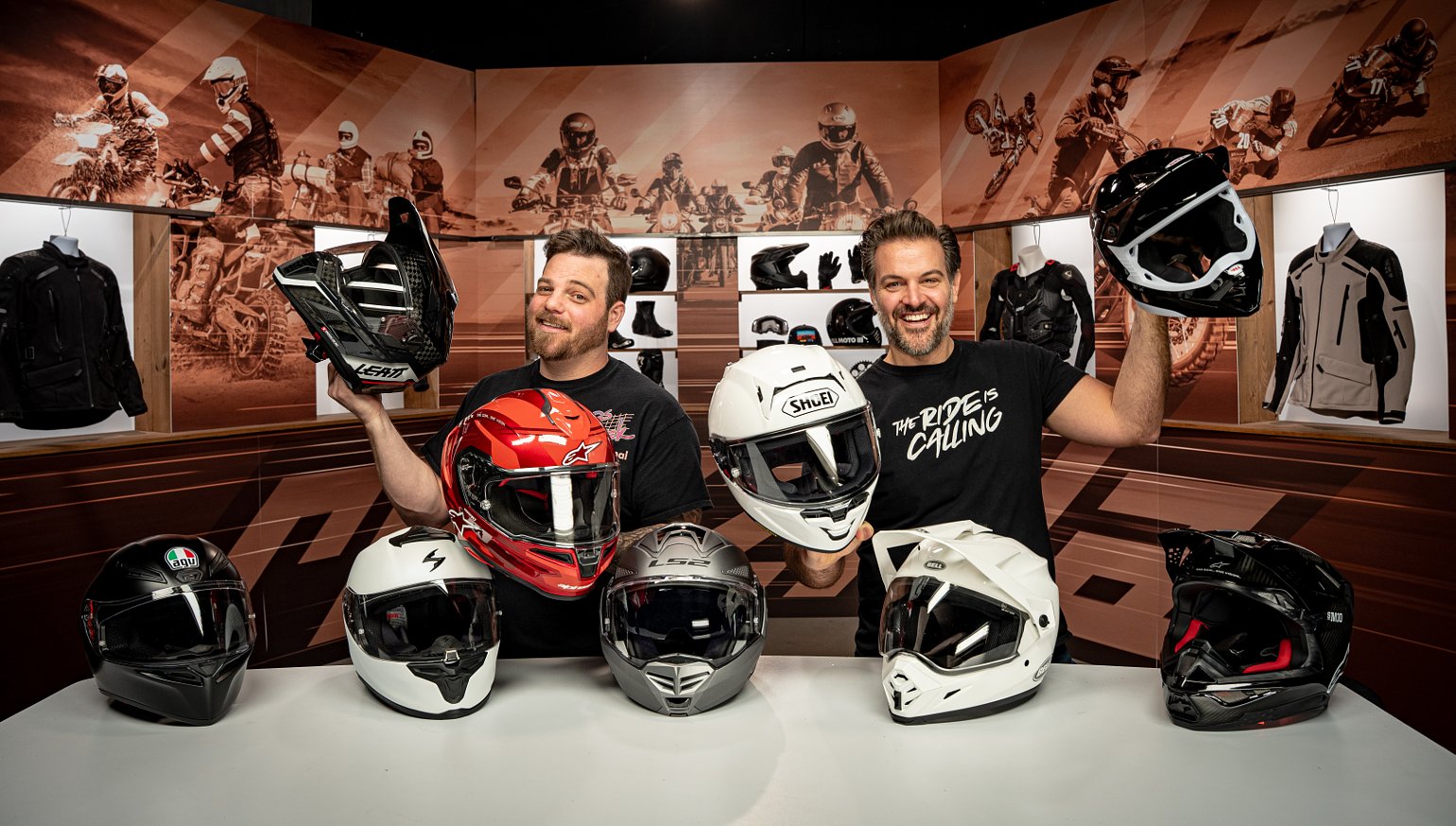
It’s widely accepted that motorcycle helmets save lives. There have been plenty of studies done on the effectiveness of helmets to reduce traumatic brain injury in motorcycle accidents thus giving riders a better chance of getting back on their bikes. And helmets just keep getting better.
As we look forward to the 2026 riding season, there is no shortage of evolutionary improvements to motorcycle helmets on the market. During my 21 years in the saddle, and over 12 years at RevZilla, I have witnessed motorcycle helmets get safer, lighter, quieter, and more comfortable than ever before.
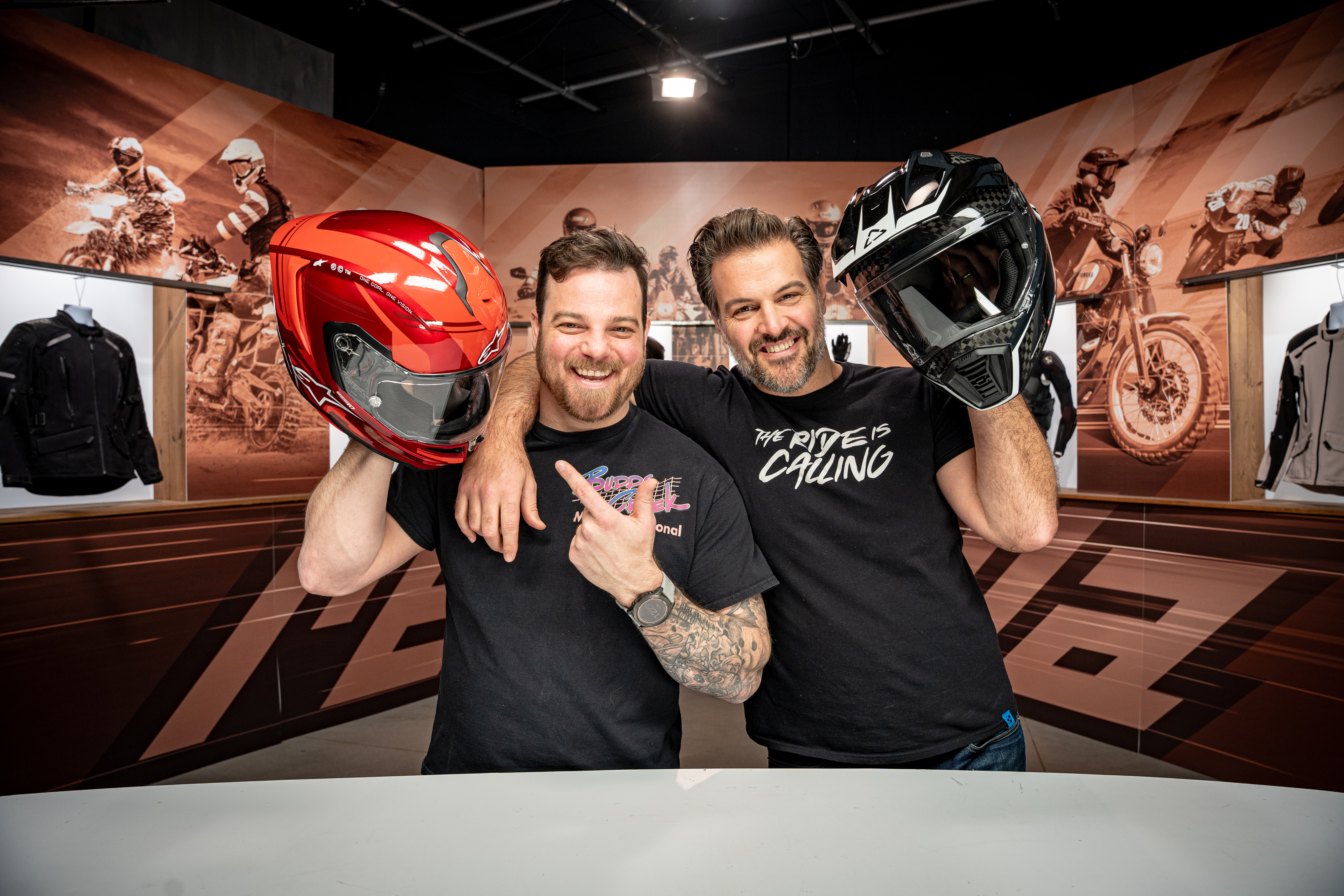
Throughout the year, those of us here at Common Tread, and on the video team, have the opportunity to try out many different helmets in varying riding environments. We decided to share what we learned from those rides and compile this list of the helmets we’re most excited about in 2026.
A few disclaimers up front: The “best” helmet for you is the one that you can afford and that fits you comfortably and inspires you to wear it. Owning a helmet that just sits in your garage isn’t going to keep you safe. If you’re new to riding, consider checking out our “How to size and buy a motorcycle helmet” article and educate yourself on which safety standards are the most important to you.
Finally, this isn’t meant to be an exhaustive list. There are way too many great helmets out there for that. Rather, this is a place to start your journey if you’re considering a new helmet this year and you’re overwhelmed by the 1,500 or so options on our site alone. You can also check out our “Best of 2026 motorcycle gear page as well as this year’s full-length “Best of Motorcycle Helmets for 2026” video. The research that Pat McHugh (our resident product expert and gear host on YouTube) and I tackled for that video provided the foundation for this article.
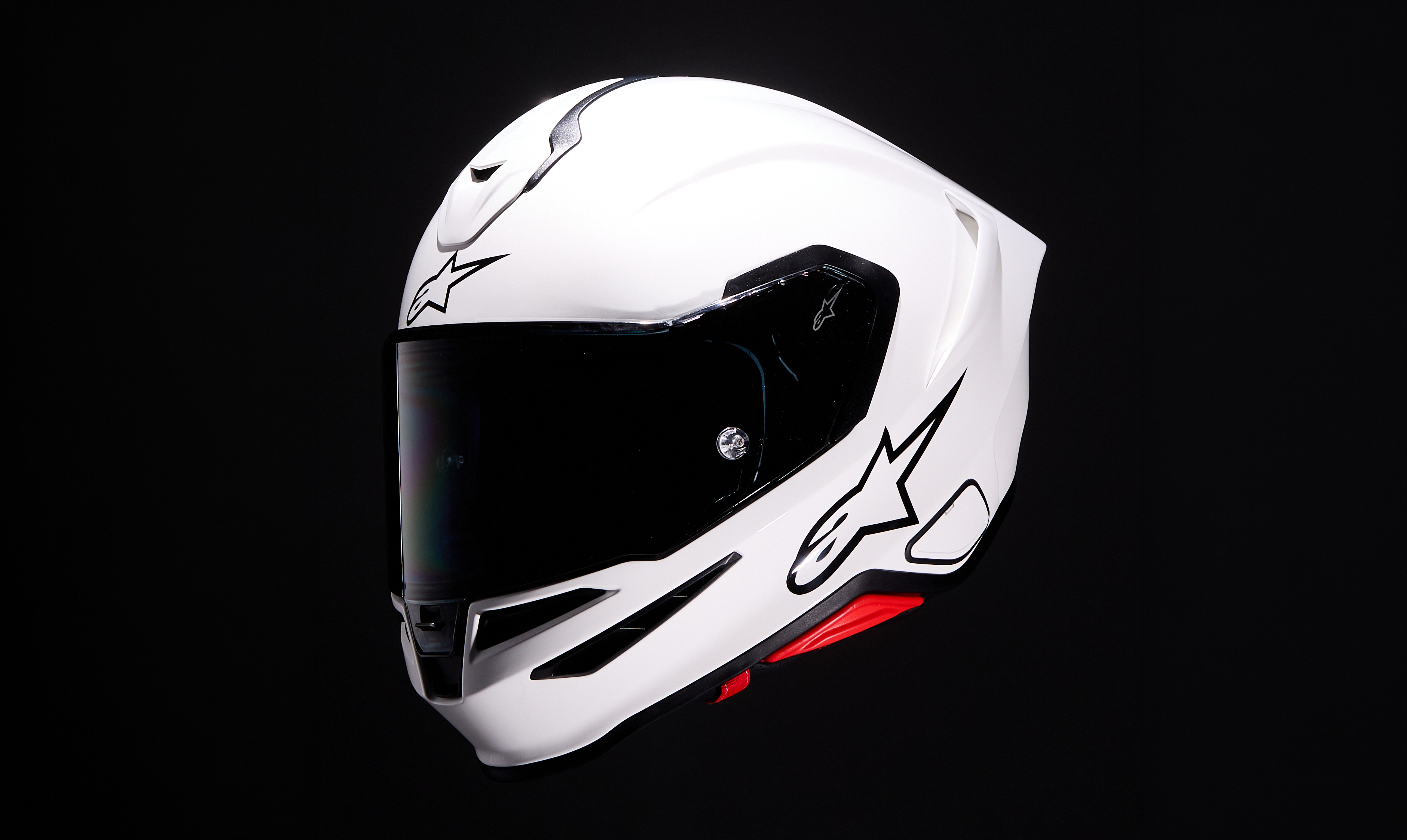
The Alpinestars S-R7 helmet: Our favorite new street helmet
This is easily the newest helmet discussed in this article, having just hit the market last week. However, McHugh has had the privilege of riding around in a early Alpinestars S-R7 product sample over the past few months as weather allowed.
The S-R7 carries a lot of the DNA of the premier Supertech R10 (Pat’s current daily rider lid) but with a more affordable price tag. Unlike the full-carbon shell of the R10, the S-R7 features a carbon, aramid, and fiberglass composite shell, which helps keep the price in check. And unlike the R10’s focus on track use, the S-R7 is designed to be a bit more universal, with creature comforts for the street while maintaining plenty of functionality for the occasional track day.
The S-R7 gets a minimized spoiler, which helps reduce weight (on our scales, a medium S-R7 is one ounce lighter than a medium Supertech R10) and an option for an integrated Bluetooth communications system to cut down on wind noise, both of which are advantages on longer days in the saddle. It retains the high-end faceshield design of the R10 as well as the A-Head system, which allows riders to fine tune how the helmet fits. And like its big brother, it carries an ECE and DOT safety rating.
“People keep comparing the S-R7 to Shoei and Arai and I don't think people realize how flattering that is to Alpinestars,” McHugh said to me this past week as the helmet went live to the public. “Even if people are saying they think Arai and Shoei are better, the fact that two 70-year-old helmet companies are being compared to one that has been making helmets for six years, I see that as a hell of an accolade for the work Alpinestars is doing.”
Even with its more attainable price tag than its big brother, we recognize that at $680 the Alpinestars S-R7 is still an expensive helmet. So if you're looking for something a bit more budget friendly, consider the AGV K1 S. It’s a consistent customer favorite that retains the sporty look and ECE and DOT safety rating of the Alpinestars but with a starting price around $230.
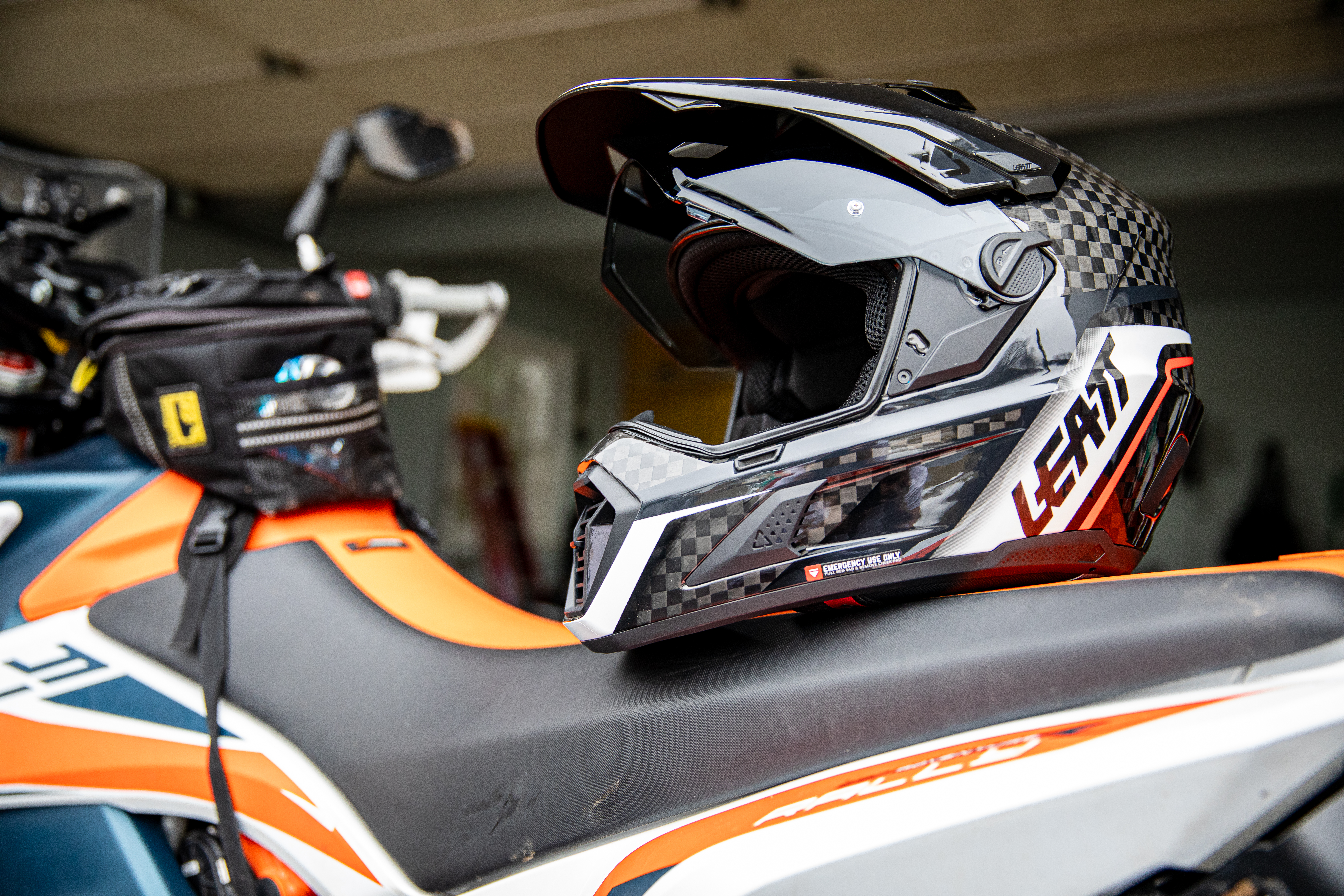
Leatt 9.5 ADV V25 Carbon helmet: Our returning favorite ADV helmet
This is the same helmet that Pat and I chose for our category winner in last year’s helmet video. While a lot of manufacturers have shifted their adventure helmets to have more of a street and touring focus, Leatt has bucked that trend. The 9.5 ADV V25 is essentially their top-of-the-line dirt helmet with a faceshield installed.
It features a 12K carbon fiber shell and is easily the lightest ADV helmet I have ever worn, tipping the scales at three pounds, five ounces in a medium. It utilizes Leatt’s proprietary 360º Turbine Technology to reduce low-speed and rotational forces along with four different densities of foam to absorb higher speed hits. It passes ECE and DOT safety standards while including a photochromic shield, a pair of Leatt 4.5 Iriz goggles, and a Pinlock 120 MaxVision XLT anti-fog insert in the box.
That being said, some people don’t enjoy riding their beloved ADV motorcycles aggressively off-road. Arai’s XD-5 is a solid call out for folks looking for something with more ADV-touring comfort, as Arai has shifted its helmet away from a dirt focus (the XD-5 is no longer built on Arai’s VX Pro 4’s chassis, as was the case with the outgoing XD-4).
But both the Leatt ($879) and the Arai ($890) are priced at a premium. For riders looking for a more affordable entry into the world of ADV helmets, we’d recommend the Bell MX-9 Adventure MIPS helmet. It features MIPS (Multi-directional Impact Protection System) rotational protection, an ECE and DOT safety rating, and has a universally accepted "comfortable" fit, all for a starting price around $250.
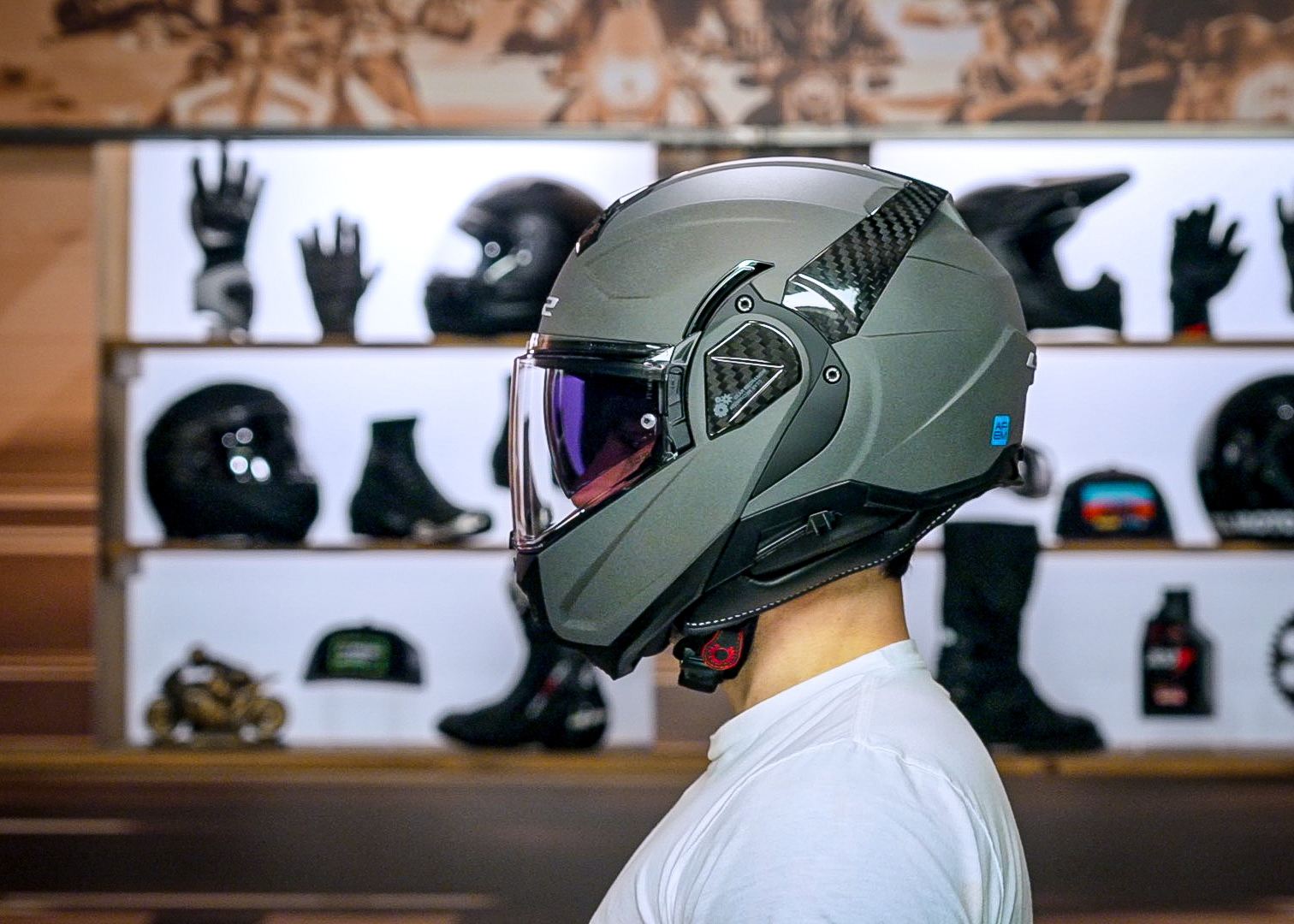
LS2 Advant X helmet: Our favorite two-in-one modular helmet
Unlike some modular helmets that aren’t designed to be worn in the “open” position, the LS2 Advant X is dual homologated to meet ECE safety requirements in both the full-faced and three-quarter configuration. Its unique chinbar design rotates all the way to the back of the helmet, allowing you to use it as an open-faced or full-faced helmet.
It has creature comforts like a built-in drop-down sun visor, as well as a quick-release ratchet chin strap, that have made it a favorite among customers. This model features a fiberglass shell but there is also a Carbon version for about $100 more and a Polycarb Advant II version for about $100 less.
For $500 we like the Advant X because it splits the difference between the two and is relatively lightweight for a modular helmet at three pounds, 14 ounces in a medium. However, if you’re looking for a more traditional modular helmet with a more approachable price tag, consider the Sedici Pro Mod helmet. The Pro Mod has a style that embraces more of the performance cruiser aesthetics while offering an ECE and DOT safety rating and an adjustable internal liner to fine tune the fit, all with a starting price around $320.
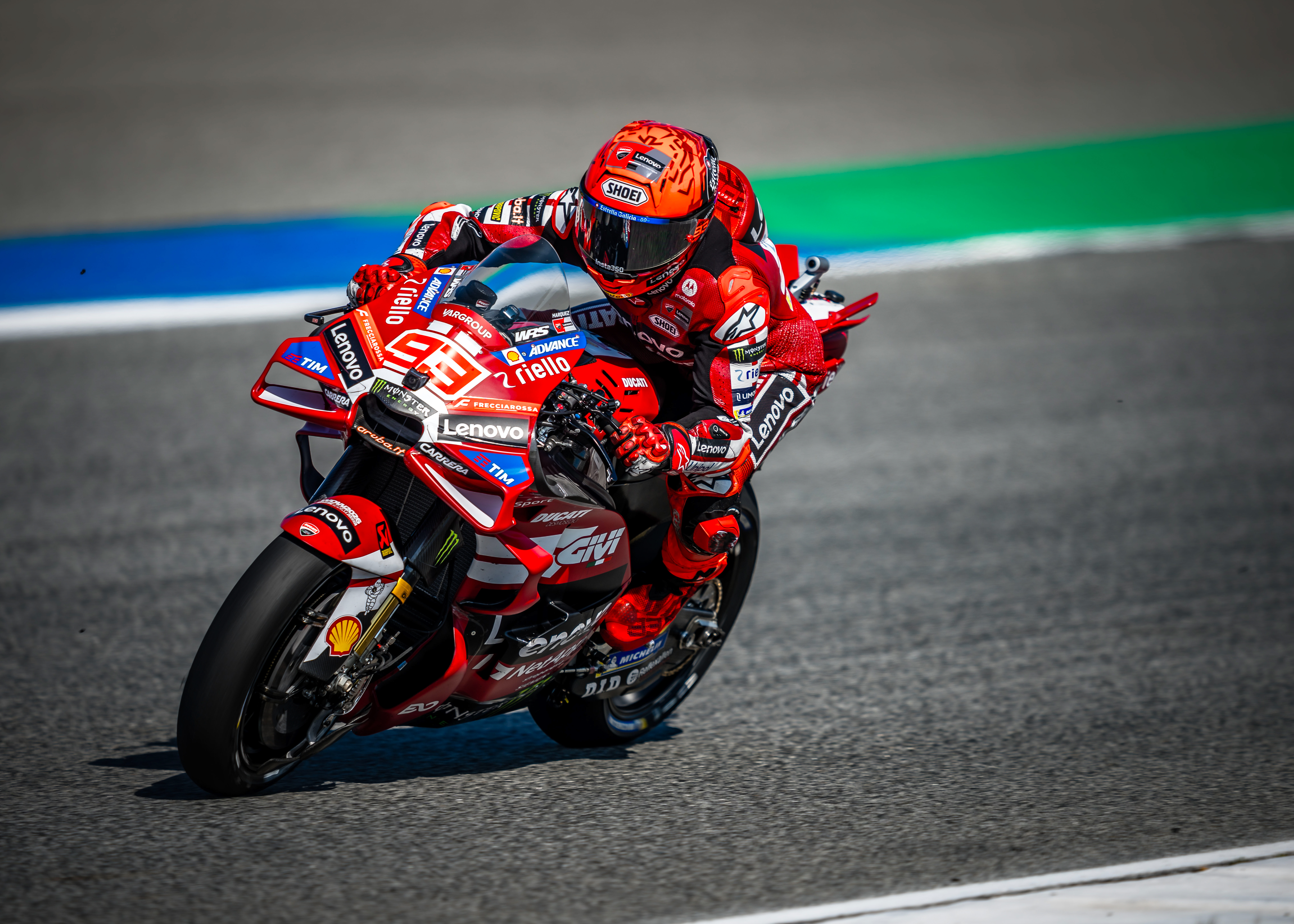
Shoei X-15 helmet: Our favorite track helmet approved by Marc Márquez
Since I just interviewed Mat Oxley on our Highside/Lowside podcast about his new Márquez biography, perhaps you’ll accuse me of suffering from a bit of recency bias. However, it was actually McHugh who advocated for the Shoei X-15, and rightfully so. Shoei spent years refining this helmet in their state-of-the-art wind tunnel facility to reduce the drag and lift of its predecessor, the X-14.
The X-15 offers an incredibly sophisticated AIM+ shell design which allows for strength and elasticity, improved ventilation (including unique venting to the cheekpad area), improved field of view, bigger cheekpads for improved stability at speed, and an adjustable liner to allow the rider to customize how the helmet sits on one’s head. And unlike my current track helmet, the Arai Corsair X, the Shoei carries SNELL, ECE, and DOT safety ratings.
At nearly a thousand dollars for the starting price in solid colors, it’s also the most expensive helmet discussed here. If you’re interested in a dedicated track helmet, but you’d like to keep it under $500, consider the Scorpion EXO-R1 Air Helmet. It’s incredibly lightweight at three pounds, three ounces in a medium, features Scorpion's AirFit system to fine tune fit, includes clear and dark smoked shields, a Pinlock insert, and features an ECE and DOT safety rating.
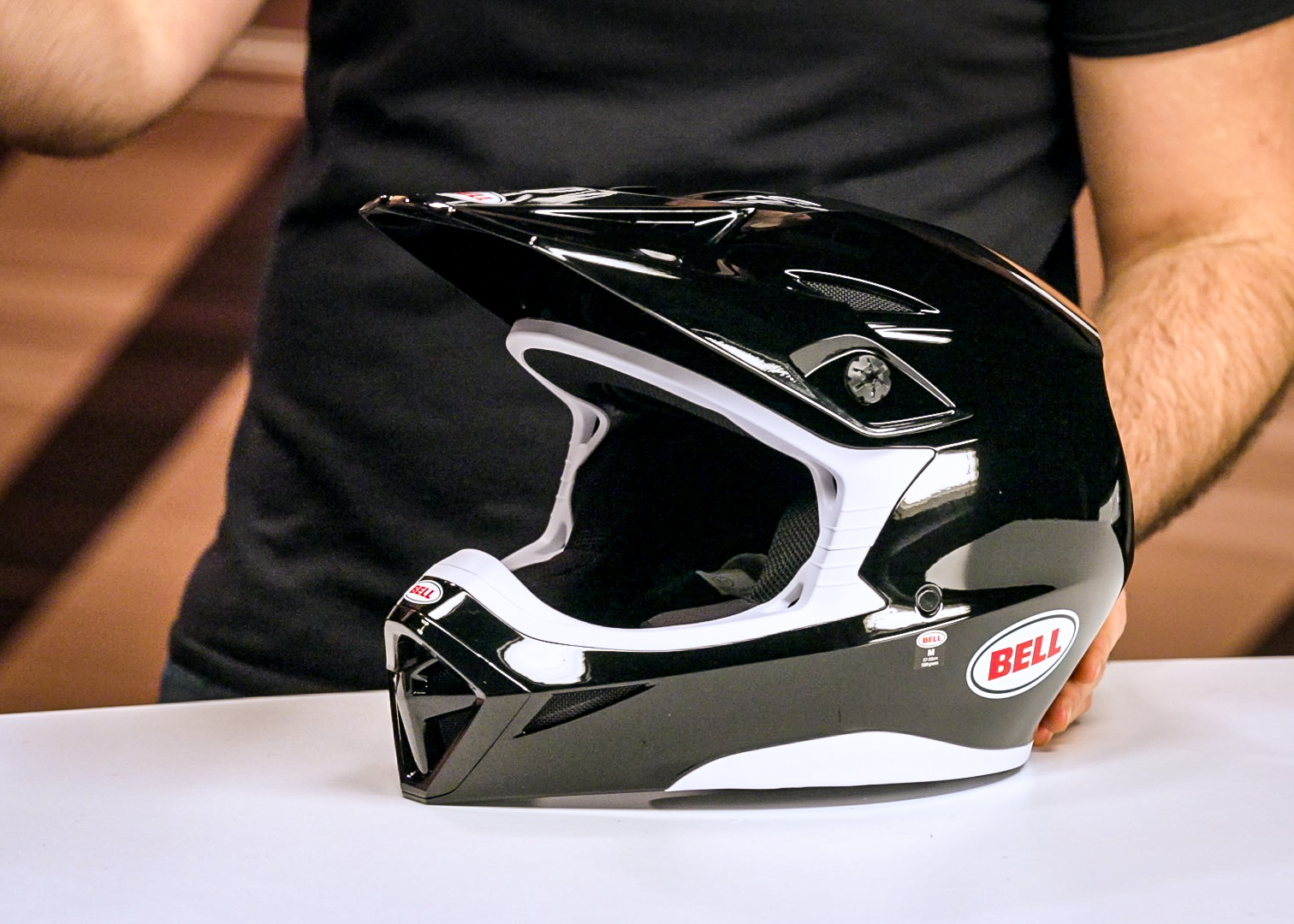
Bell MX-10 MIPS helmet: Bang for the buck in the dirt
Unlike the other categories, I’m going to lead the dirt category with our pick for affordability. I recognize that a lot of Common Tread readers tend to have a street bias, and if they are venturing off-road, it tends not to be their primary focus. Therefore, I'm starting with a helmet you can pick up for less than $250 to expand your motorcycling horizons.
The MX-10 with MIPS packs a big punch without a big price tag. It features a polycarb shell with four distinct shell sizes to help keep weight down, it tips the scales at three pounds in a large. From a protection standpoint, it’s one of the most affordable helmets to feature MIPS protection and it carries an ECE and DOT safety rating. Its predecessor, the MX-9 MIPS launched thousands of riders into dirt, and this helmet promises to carry on that tradition.
As I mentioned earlier, Alpinestars is relatively new to the helmet game and their Supertech M-10 Carbon was the Italian manufacturer’s first step into the world of helmet production. I got one shortly after it was introduced and promptly tested it out by looping my KTM 350 EXC-F on Slickrock Trail in Moab, Utah. It did its job and I walked away after a few good hits to the ol’ noodle. It features a slick Carbon Fiber shell, MIPS, the A-Head system, 19 intake vents, weighs sub-three pounds in a medium, and is ECE- and DOT-rated.
Conclusion
I’ve been riding motorcycles for nearly half of my 42 years. And it never ceases to amaze me how far safety technology has come in just that short amount of time. When I moved a few years ago, I ended up clearing out the garage and throwing some of my outdated and crashed-in helmets away. Too much clutter, not enough space.
I was surprised with how heavy and antiquated some of those older helmets felt compared to the newer ones on my shelf. Whether you’re just starting out or you’re considering a replacement for an old favorite, there are a lot of great helmets to choose from. Hopefully this guide serves as a starting point for your research. And if you have any favorites on your shelves, or stories about helmets doing their job, we’d love to hear about it in the comments below.
| Price | Internal head shape | Shell construction | Shells | Weight | Safety rating | |
|---|---|---|---|---|---|---|
| Alpinestars S-R7 | $679.95 | Intermediate oval | Carbon, Aramid, Fiberglass composite | 3 (XS-MD, LG, XL-2XL) | 3 lbs 7 oz in a medium | ECE 22.06 and DOT |
| Leatt 9.5 ADV V25 Carbon | $879.00 | Intermediate oval | 12K Carbon Matrix | 3 (XS-SM, MD-LG, XL-2XL) | 3 lbs 5 oz in a medium | ECE 22.06 and DOT |
| LS2 Advant X | $499.98 | Intermediate oval | Fiberglass composite | 2 (XS-LG, XL-3XL) | 3 lbs 14 oz in a medium | ECE 22.06 and DOT |
| Shoei X-15 | $979.99 | Intermediate oval | AIM+(Advanced Integrated Matrix Plus) Fiber composite | 4 (XS-SM, MD, LG, XL-2XL) | 3 lbs 10 oz in a medium | SNELL, ECE 22.06, and DOT |
| Bell MX-10 MIPS | $229.95 | Intermediate oval | Polycarb | 4 (XS, SM-MD, LG, XL-2XL) | 3 lbs 0 oz in a large | ECE 22.06 and DOT |
Image Gallery
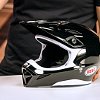

Image Gallery
